Hair Fall Causes & Myths: Real Science in Gurugram
Stop guessing about your hair health. From the real effects of oiling to the science behind thinning, we help you separate viral trends from facts.
Many people believe hair oiling is the solution to all hair problems, but it might be doing more harm than good. We help you understand the science behind scalp health.
If you have an oily scalp, dandruff, or sensitive skin, applying oil can often worsen the problem. We diagnose your specific scalp type to recommend treatments that actually work.
This post explains how a combination of oil, warmth, and sweat can create an environment for fungal growth, leading to conditions like Malassezia, which causes dandruff and itchiness.
Contrary to popular belief, oiling can sometimes worsen dandruff. It can feed the yeast responsible for flakes, especially if left on the scalp for too long.
Using too much oil can clog your hair follicles. This blockage can lead to inflammation, scalp acne, and even accelerate hair fall if not washed out properly.
Instead of relying on oils, we recommend a science-backed approach. This includes using lightweight serums, exfoliating the scalp, managing stress, and focusing on internal nourishment for real results.
It's important to distinguish between dandruff and psoriasis, as they require different treatments. This graphic explains the key differences between the white, greasy flakes of dandruff and the thick, silvery scales of psoriasis.
Hormonal shifts, such as those during menopause, can significantly impact your hair's health, leading to thinning and dryness. We provide expert guidance and personalized treatments to help you manage these changes with confidence.
About Hair Science & Myth Busting
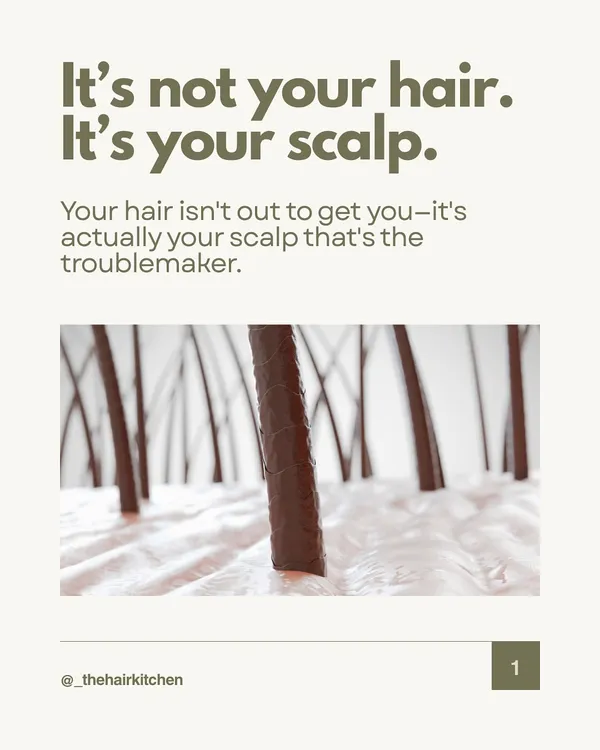
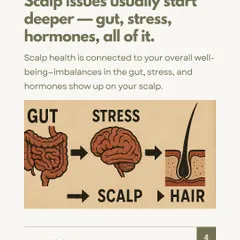
Hair loss often stems from deep-rooted issues like hormonal shifts or scalp inflammation, not just external factors. Instead of reaching for oils that can clog your follicles or worsen fungal conditions, we use a digital trichoscope to analyze your scalp health and identify the actual cause of thinning.
Understanding Your Hair's Needs
Many common hair issues are exacerbated by treating the symptom rather than the cause. Hair oiling, while a common tradition, often creates an environment of warmth and moisture that feeds fungal conditions like Malassezia—the fungus responsible for dandruff and itchiness. When your scalp is already compromised by oily buildup or inflammation, applying oils can block follicles and accelerate hair fall.
The Science of Scalp Health
At Skinpheras, our dermatologists start with a digital trichoscope analysis. This allows us to see exactly what is happening at the root level. We differentiate between common issues like:
- Dandruff: Greasy, white flakes resulting from fungal overgrowth.
- Scalp Psoriasis: Thick, silvery scales linked to autoimmune factors.
- Hormonal Thinning: Hair loss driven by changes in PCOS, thyroid function, or menopause.
Moving Beyond Myths
Once we identify the underlying mechanism—whether it is genetics, hormonal imbalance, or environmental stress—we deploy targeted, FDA-approved technologies. We move away from guesswork by using treatments like Exosome therapy to signal follicle regeneration or JetPeel infusions to cleanse the scalp without needles. If you have been struggling with recurring dandruff or persistent hair fall, the solution lies in clinical diagnosis and science-backed intervention, not home remedies that may be causing more harm than good.
Similar work from other experts
Browse through Curated picks from other experts on mytribe
Hair Care Questions Answered: Science-Backed Truths
 5
5
Hair & Scalp Health: Moving Beyond Common Myths
Understanding Hair & Scalp Health in Delhi and Gurugram
 4
4
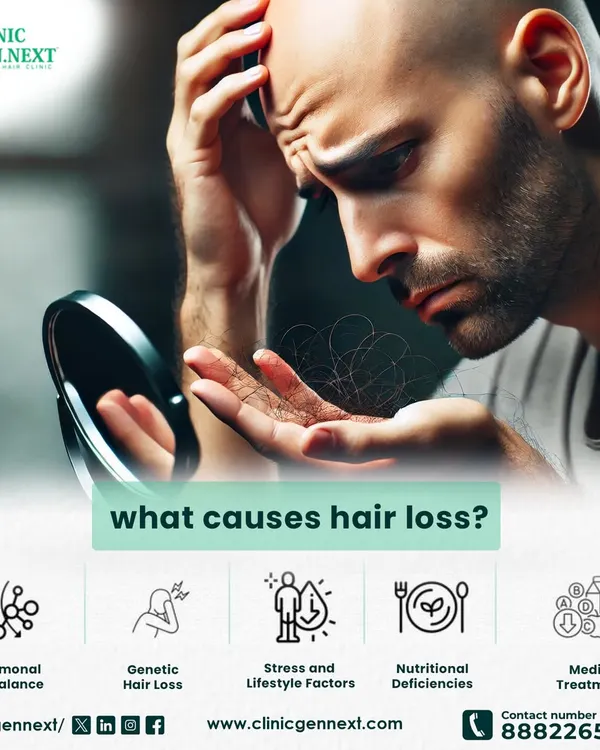
Understanding Hair Loss: Causes and Real Treatments
 7
7
Understanding Hair Loss: Causes & Science-Backed Care
 41
41
Understand Your Hair: The Science Behind a Healthy Scalp
More from Hair Restoration by Skinpheras
More services by Skinpheras