Understanding & Treating Melasma: A Dermatologist’s Guide
Melasma is a chronic condition that requires a scientific approach, not quick fixes. I am Dr. Vandana, and I help patients in Noida manage pigmentation safely without relying on temporary internet hacks.
In this detailed video, I break down what melasma is, its causes like hormonal changes and sun exposure, and the different types. I also cover common mistakes like using steroid creams and the scientifically proven treatments we offer, including topical creams, chemical peels, and laser toning.
This video is a comprehensive guide to managing melasma. I discuss its causes, types, and the mistakes that can worsen it, such as skipping sunscreen. I also explain our effective, customized treatment options, from topical creams to advanced laser toning.
Can your diet really help with melasma? This video explores the link between nutrition and this hormonal condition. I discuss how antioxidant-rich foods and specific vitamins can support your treatment, but emphasize that they must be combined with professional dermatological care.
About Understanding & Treating Melasma
If you are using over-the-counter fairness creams for dark patches, stop immediately. These often contain steroids that provide a temporary glow but cause rebound pigmentation, making the condition significantly worse over time. At my clinic, I start by identifying if your melasma is epidermal, dermal, or mixed using dermoscopy, ensuring we choose the right intervention—whether it is medical-grade chemical peels or Q-switched laser toning—to treat the root cause.
Why Melasma is Different
Melasma is not just a surface tan; it is a multifactorial disorder. Hormonal shifts, sun exposure (including visible light from screens), and genetics all play a role in overactive melanin production. Because it is a chronic condition, my primary goal is not just fading the spots you see today, but managing the skin to prevent relapse.
My Diagnostic Approach
Before recommending a single product, we must look deeper. I use dermoscopy to determine exactly where the pigment sits:
- Epidermal: The pigment is in the upper layer and responds relatively quickly to treatment.
- Dermal: The pigment lies deeper, requiring a gradual, patient approach.
- Mixed: The most common form, which requires a combination of modalities.
The Treatment Protocol
I do not believe in one-size-fits-all kits. Your treatment plan will likely include a mix of:
- Topical Formulations: Dermatologist-prescribed ingredients like kojic acid, azelaic acid, and retinoids tailored to your skin's tolerance.
- Chemical Peels: Controlled exfoliation using mandelic or lactic acid to reduce pigment buildup.
- Laser Toning: FDA-approved Q-switched Nd:YAG laser sessions that shatter pigment deposits without damaging the surrounding skin.
Maintenance is Everything
Results in melasma are not a finish line; they are a continuous process. You must be prepared for a consistent regimen: daily broad-spectrum SPF 50+ (even indoors), gentle non-irritating skincare, and periodic clinical reviews. If you are ready for a real, science-backed approach to clear skin, I am here to guide you.
Similar work from other experts
Browse through Curated picks from other experts on mytribe
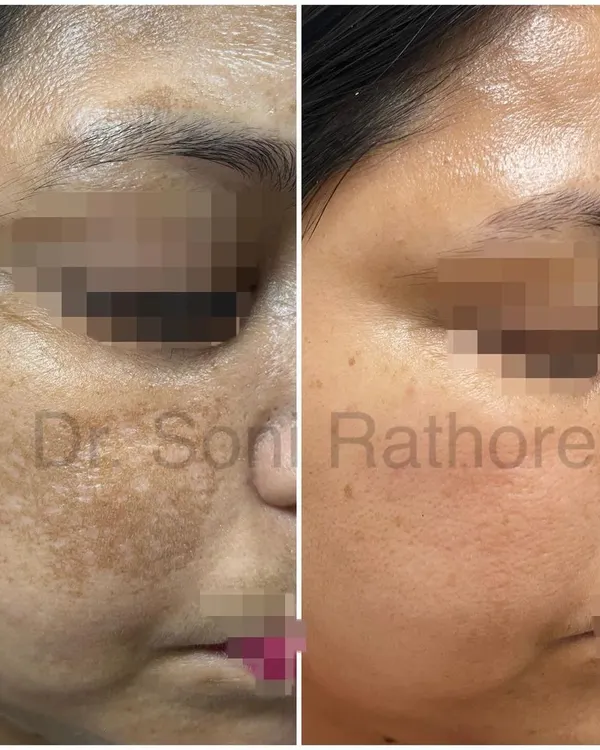 9
9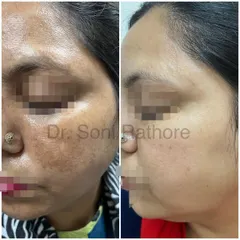
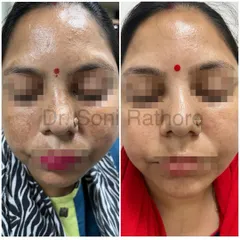
Pigmentation and Melasma Solutions
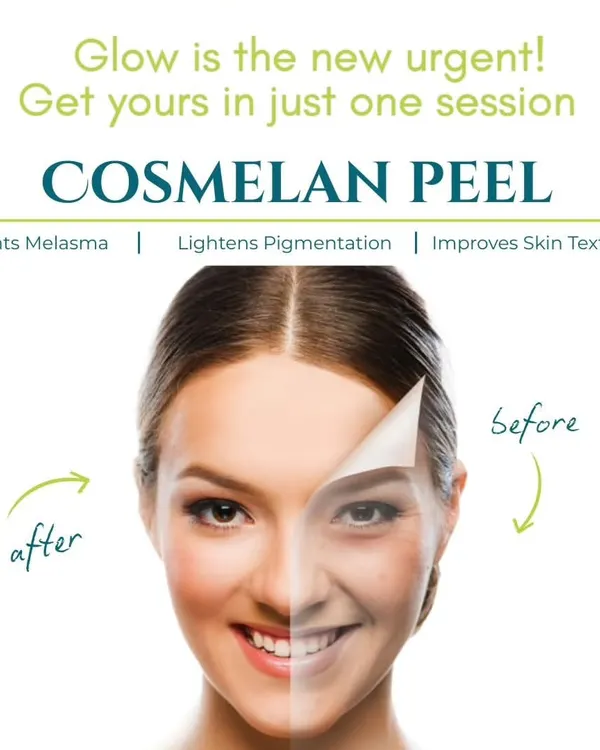 4
4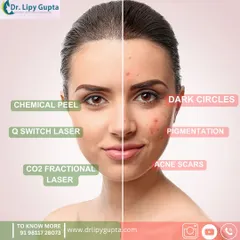
Effective Treatments for Pigmentation and Melasma
Expert Pigmentation & Melasma Care
Pigmentation, Melasma, and Brightening Treatments
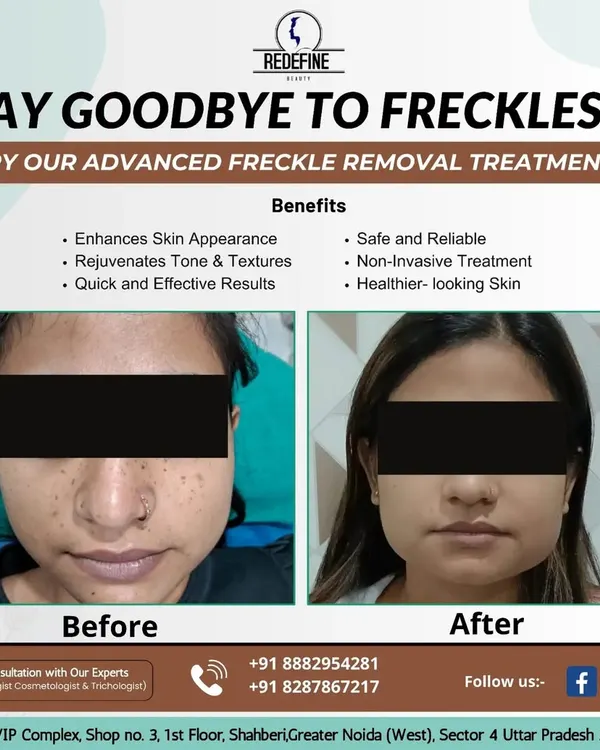 4
4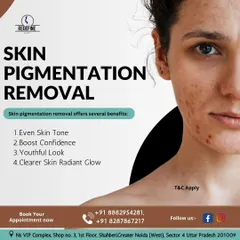

Effective Solutions for Pigmentation and Uneven Skin Tone
 17
17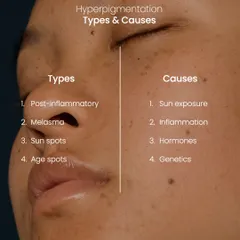
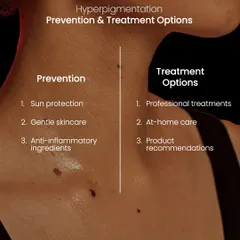
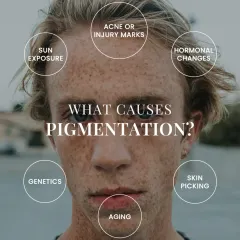
Understanding Your Pigmentation and Dark Spots
More from Skin Brightening & Pigmentation Treatment by Vandana Malik
More services by Vandana Malik