Hair Care Myths & Facts: Expert Advice
Stop guessing what your hair needs. We cut through the noise to tell you what actually works, keeping your routine simple, science-backed, and practical.
Does wearing a helmet cause hair fall? This is a question I get all the time. Your helmet doesn't cause hair loss, but friction can. To prevent this, always wear a soft cotton cloth under your helmet and make sure your hair is completely dry before you ride.
I never recommend sleeping with wet hair. A damp scalp is a breeding ground for fungus and bacteria, which can lead to dandruff and boils. Wet hair is also weaker and more prone to breakage when you toss and turn at night.
A persistent myth is that plucking one gray hair will cause more to grow. This is completely false. Graying is caused by genetics, stress, or nutritional factors, not by the act of plucking.
Hair color itself does not cause hair thinning from the root. However, it can dry out the hair shaft, leading to more breakage. If you're already experiencing significant hair fall, I advise waiting until it's under control before coloring your hair.
Many people worry about washing their hair every day. If you have an oily scalp or work out daily, it's fine. My advice is to dilute your shampoo and apply it only to the scalp, then rinse the lengths with plain water to avoid drying them out.
Dry shampoo is a great quick fix for an important meeting, but it's not a substitute for washing. It absorbs oil to give your hair bounce, but it doesn't clean your scalp. Overuse can lead to product buildup, flaking, and even boils.
You might see sunscreens for hair, but I feel they aren't very practical. You have to reapply them often, and they can cause scalp irritation. A much better and easier alternative is physical protection, like wearing a stylish scarf or a broad-brimmed hat.
If you struggle with dry, frizzy hair, here are a few tips. Always pre-condition with an oil or mask, use a hydrating shampoo focused on the scalp, and never skip a conditioner or serum on the lengths of your hair. Also, avoid frequent heat styling.
About Hair Care Myths & Facts
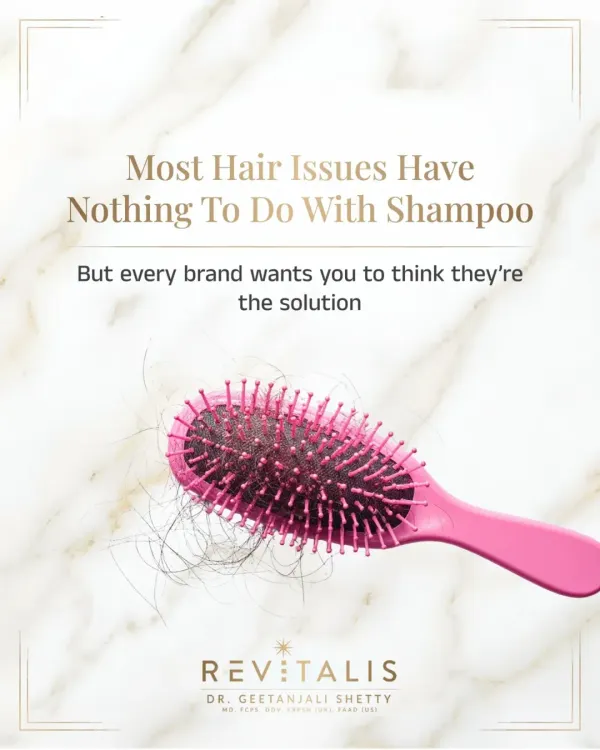
Most people try to fix hair fall by constantly swapping shampoos, but without a digital trichoscopy to check your scalp health, you're just guessing. Whether you're dealing with helmet friction, product buildup, or seasonal dryness, the first step is always identifying if your hair loss is mechanical, nutritional, or hormonal. We don't push products; we give you a clear, medical roadmap based on what your scalp actually needs to stay healthy.
Debunking Common Hair Care Myths
We see patients daily who have spent thousands on products that don't match their scalp type. Hair care isn't about the most expensive serum; it's about understanding the biology of your hair. Here is the truth behind what we hear in the clinic:
The Helmet Question Many riders blame their helmets for hair fall. The helmet itself isn't the enemy; it's the friction. If you ride daily, use a soft cotton cloth under your helmet to distribute pressure and never put it on when your hair is damp. It’s a small adjustment that saves your follicles from unnecessary stress.
Washing & Product Habits
- Daily Washing: If you have an oily scalp, washing daily is fine, but you must change how you wash. Dilute your shampoo and apply it only to the scalp, letting the suds run through the lengths of your hair. This keeps the scalp clean without stripping the hair shaft dry.
- Dry Shampoo: Think of this as a 'fire extinguisher' for your hair—only to be used in emergencies. It creates volume by absorbing oil, but it does not clean your scalp. Overuse leads to buildup, flaking, and inflammation.
- Wet Hair: Sleeping with wet hair is a breeding ground for bacteria and fungus. It also weakens the hair shaft, making it prone to breakage while you toss and turn. Please, dry your hair before hitting the pillow.
The Truth About Hair Treatments
- Gray Hair: Plucking one gray hair will never make two grow back. Graying is hormonal, genetic, or nutritional.
- Hair Color: Coloring doesn't cause root-level hair loss, but it does cause shaft breakage. If your hair is already shedding, wait until it is stable before adding chemical stress like dyes or heat treatments.
At our JP Nagar clinic, we believe in identifying the root cause first. A simple, consistent routine is always more effective than a cupboard full of expensive products.
Similar work from other experts
Browse through Curated picks from other experts on mytribe
Hair Care Myths Busted: Get Scientific Advice
Haircare Myths vs. Science: Get Real Medical Advice
 5
5
Hair Care Myths vs. Facts: What Really Works for Your Hair
 9
9

Hair Care Myths vs. Facts: What Really Works for Your Hair
Hair Care Myths Debunked: Real Science for Your Scalp
Real Hair Care Advice and Myth Busting
More from Hair Restoration by Shubha Kesari
More services by Shubha Kesari