Understanding Your Breakouts: Causes and Expert Treatment
Acne isn't just one thing. Whether it's persistent adult acne or breakouts linked to hormones, we need to treat the root cause, not just the symptom.
Hormonal acne is a common struggle, especially for teenagers, but it can affect adults too. It's often linked to hormonal fluctuations during your cycle or underlying conditions like PCOS. The key is to balance anti-acne ingredients with a gentle routine, as this type of skin can be quite sensitive.
Dealing with hormonal acne requires a multi-faceted approach. Maintaining a healthy lifestyle, using the right topical treatments, and consulting a dermatologist to get a personalized plan are the three key steps to getting it under control.
How can you tell if your acne is hormonal? Look for patterns like breakouts on your jawline, painful and deep lesions, and flare-ups that coincide with your menstrual cycle or periods of high stress. Recognizing these signs helps in creating a more targeted treatment plan.
I was featured in Onlymyhealth to discuss the key differences between hormonal acne and adult acne. While they can look similar, understanding the triggers, such as hormonal fluctuations versus lifestyle factors, is essential for effective and long-lasting treatment.
A common myth is that only teenagers get acne. The fact is, people of all ages can experience breakouts, with many seeing acne for the first time in their 20s and 30s. Adult acne is very real and requires a different approach than teenage acne.
Breakouts can be triggered by a variety of factors. Stress, an unhealthy diet, fluctuating hormones, and even simple things like dirty pillowcases can contribute to acne. Identifying your personal triggers is a big step towards achieving clear skin.
Ever heard of 'mango pimples'? As I explained to India Today, mangoes have a high glycemic index, which can cause an insulin spike and increase oil production in acne-prone individuals. Enjoy them in moderation to keep your skin clear.
Here's a simple tip for clearer skin: watch your sugar intake. High sugar levels in your diet can lead to inflammation and trigger breakouts. Cutting down on sugar is one of the best things you can do for both your skin and your overall health.
Avoiding processed foods can significantly benefit your skin. These foods often contain high levels of sodium and inflammatory ingredients that can lead to dullness, water retention, and even wrinkles. Opt for whole, fresh foods whenever possible.
Persistent acne can sometimes be a warning sign of Polycystic Ovary Syndrome (PCOS), especially when it occurs with other symptoms like irregular periods or thinning hair. If you suspect this, it's important to get a proper diagnosis.
About Understanding Your Breakouts: Causes & Types
Most of us make the mistake of treating every breakout the same way. But whether it is hormonal acne triggered by PCOS or stress-related flare-ups, a standard cream rarely fixes the underlying issue. At my clinic, we start by mapping your triggers—diet, lifestyle, and hormonal patterns—so we aren't just drying out your skin, but actually stopping the cycle of inflammation. You need a clear path forward, not a cabinet full of products that don't work.
Why Your Acne Routine Isn't Working
Many patients come to me having tried everything from drugstore facewash to DIY hacks, yet their breakouts persist. The reason is simple: your acne has a specific trigger. It could be hormonal fluctuations, insulin resistance, or even your diet. Chale gaye wo din (gone are those days) when we just used generic creams for everything. My approach at Skin Decor is to identify the asli jadd (root cause) first.
The Common Triggers
- Hormonal Cycles: Often seen with jawline breakouts and painful lesions. If it flares up with your cycle or stress, it is likely hormonal.
- Lifestyle & Diet: High glycemic foods, like excess sugar or even mangoes, can spike insulin and oil production. I often see patients with clear skin who breakout only after poor dietary choices.
- The Scalp Connection: Yes, an unhygienic scalp can cause acne on your back, shoulders, and chest. It is a detail most people miss.
My Treatment Approach
I do not believe in one-size-fits-all. Based on your assessment, we might look at:
- ClearSkin Laser: A thermal energy treatment to kill acne bacteria and reduce inflammation with no downtime.
- Chemical Peels: To unclog pores, fade marks, and smooth out your skin texture.
- Dermapen Microneedling: For those dealing with old acne scars, helping to resurface the skin safely.
A Final Piece of Advice
No matter how tempting it is, never pop your pimples. You are only pushing bacteria deeper into your skin and increasing the risk of permanent scarring. Stick to a simple CTM (cleanse, tone, moisturize) routine using non-comedogenic products, and let's get your skin on a scientifically-backed plan. If you are struggling with recurring breakouts in Delhi, come see me at my Dwarka clinic, and let us build a roadmap that actually gives you results.
Similar work from other experts
Browse through Curated picks from other experts on mytribe
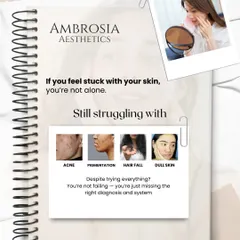
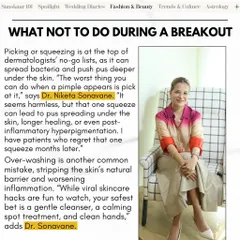
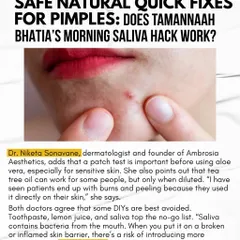
Understanding and Treating Acne Scientifically
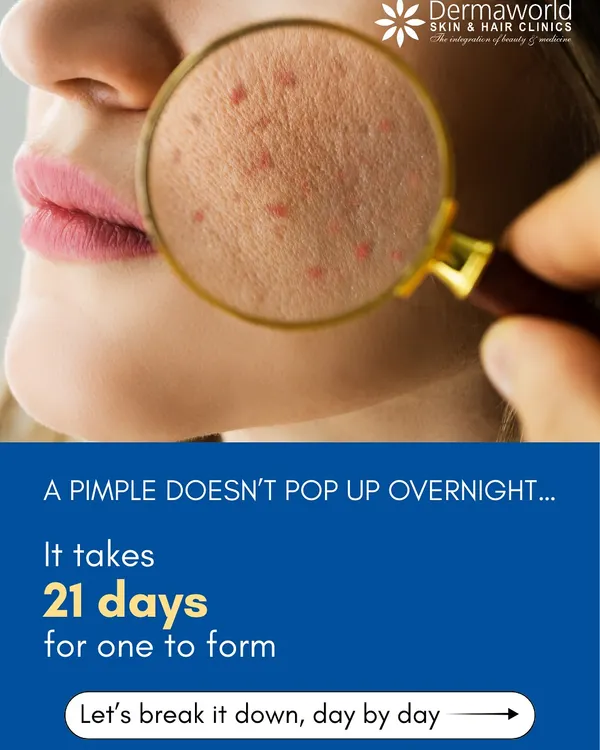 11
11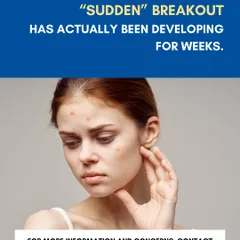
Understanding Acne: The Truth About Breakouts
 11
11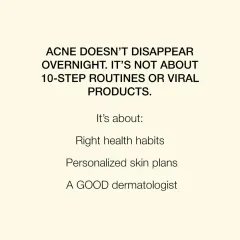
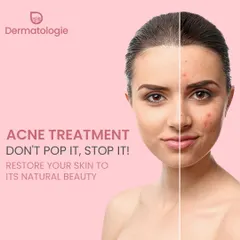
Acne & Breakout Solutions
Stop Acne Breakouts: Real Causes and Simple Fixes
Acne Management: Scientific Solutions for Clearer Skin
Clinical Acne and Scar Management
More from Acne and Scar Treatment by Monica Chahar