Understanding Acne: The Truth About Breakouts
Before you try another viral hack, understand that acne is rarely just about what is on the surface. Here is the science behind why breakouts happen and how to actually stop them.
A pimple doesn't just show up overnight. This graphic shows the start of a 21-day process that happens beneath the skin. Understanding this timeline is the first step toward effective and early treatment.
What feels like a sudden breakout has actually been developing for weeks. This is why consistent skincare and early intervention are so important for managing acne-prone skin and preventing future pimples.
Day 0: The process begins when a pore gets clogged with oil and dead skin cells. At this stage, nothing is visible on the surface, but the foundation for a pimple has been laid.
Day 7: Bacteria that naturally live on the skin find their way into the clogged pore. Here, they multiply quickly, creating an environment for inflammation.
Day 14: Your body's immune system recognizes the bacterial invasion and starts to fight back. This immune response is what causes the redness, swelling, and pain associated with a developing pimple.
Day 21: The combination of a clogged pore, bacteria, and inflammation results in a visible pimple on the skin's surface. This is the stage where most people start to notice the breakout.
Acne is not a single condition; it includes blackheads, whiteheads, papules, cysts, and more. This infographic helps you identify different types of acne, as each requires a specific treatment approach, from topical medications to laser therapies.
Many daily habits can trigger or worsen acne. This visual guide points out common culprits, including greasy foods, stress, hormonal fluctuations, and even a dirty phone screen. Identifying your personal triggers is a key part of managing your skin.
Acne isn't limited to the face. Body acne, or "backne," along with ingrown hairs and post-shave bumps, are very common. I also treat conditions like Keratosis Pilaris, often called "strawberry skin," which causes rough bumps on the arms and legs.
Enlarged pores are a common concern, often caused by factors like sun damage, excess oil, genetics, and aging. Understanding these causes helps in choosing the right treatments, such as peels or lasers, to minimize their appearance.
About Understanding Acne: From Cause to Cure
Stop using toothpaste or lemon on your skin. These viral hacks often cause more damage by irritating the skin barrier, leading to permanent scars. Effective acne management starts with identifying your specific trigger—whether it is hormonal, dietary, or product-based—and treating the root cause, not just the visible pimple.
Most people treat a pimple only when it appears. But acne is actually a 21-day process that begins long before you see redness. By the time you notice a breakout, the inflammation has been brewing for weeks. This is why applying random kitchen remedies often irritates your skin barrier rather than healing it. It creates more problems, like post-acne pigmentation or permanent scarring.
At my clinic, we prioritize the 'why' over the 'what'. We look at your skin type, your diet, and potential hormonal triggers to find out exactly why your skin is reacting this way. My team and I focus on a structured, medical approach. Whether you need deep-pore cleansing through a chemical peel, or advanced CO2 laser therapy for stubborn, deep-set acne scars, we ensure the treatment matches your specific skin concern. Acne is a medical condition, not a temporary inconvenience. It deserves a proper diagnosis and a consistent, science-backed treatment plan, not another viral DIY hack.
Similar work from other experts
Browse through Curated picks from other experts on mytribe
Understanding and Treating Acne Scientifically
Understanding Your Breakouts: Causes and Expert Treatment
Acne Management: Scientific Solutions for Clearer Skin
Stop Acne Breakouts: Real Causes and Simple Fixes
 11
11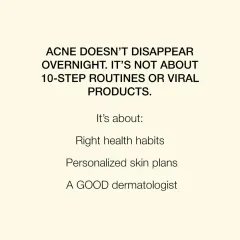
Acne & Breakout Solutions
Understanding and Managing Acne Breakouts
More from Acne and Scar Treatment by Dermaworld Skin & Hair Clinics
More services by Dermaworld Skin & Hair Clinics