Your Hair Transplant Journey: What to Expect
A hair transplant is a medical procedure, not a quick overnight fix. It is a journey that requires patience, specific care, and a realistic timeline to reach full, natural results.
The hair transplant journey has its ups and downs. Be prepared for some itchiness, redness, and the "shock loss" phase where new hairs fall out. It's all part of the process, and the final result is 100% worth the patience.
Here are three essential post-transplant care tips to optimize your results. Avoid smoking and alcohol, eat a nutritious diet to help with healing, and use Minoxidil as prescribed to increase blood flow and support the growth of your new hair.
How should you sleep after a hair transplant? The main goal is to avoid rubbing the recipient area. I recommend sleeping straight or on a recliner to prevent friction and reduce swelling.
Do you need special medications after a transplant? Yes, we prescribe antibiotics for a few days and recommend Minoxidil for at least a year to support the growth of the new baby hair roots and ensure the best possible outcome.
Many patients ask how to protect their newly transplanted hair. The good news is, in the long run, they don't need any special care. They are robust and can be cut, styled, and washed like normal hair. Just maintain a healthy lifestyle.
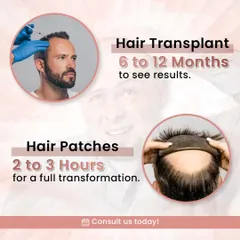
The results of a hair transplant are not instant. This video explains the timeline: grafts settling in the first 15 days, shedding for a couple of months, regrowth from month 3 to 9, and consolidation up to 15 months. A reasonable outcome is visible in 6-7 months.
About Your Hair Transplant Journey: What to Expect
Many patients expect instant fullness, but you need to prepare for the 'ugly duckling' phase. For the first few weeks, your scalp will be itchy and potentially red, and you will experience 'shock loss'—where the newly transplanted hairs fall out. This is a normal part of the process, and it is a temporary hurdle before real, permanent growth begins.
The 15-Month Roadmap
A hair transplant does not yield results overnight. Here is the realistic timeline you can expect at our clinic:
- 0-15 Days (Settling Phase): Your primary goal is protection. Grafts are settling in, and you must avoid any friction or rubbing of the recipient area.
- 1-3 Months (Shock Loss Phase): Do not panic when you see hair falling out. The transplanted hair sheds, which is completely normal. The follicles are taking root under the skin.
- 3-9 Months (Regrowth Phase): This is when you begin to see new hair growth. The coverage starts to increase month by month.
- 9-15 Months (Consolidation Phase): The hair thickens and matures. By the end of this period, you will see the final density and volume of your transplant.
Essential Post-Op Care
How you treat your scalp in the initial weeks significantly impacts your final outcome. We recommend the following practices:
- Sleeping: Avoid friction on the recipient area. We suggest sleeping straight or on a recliner to minimize facial swelling.
- Medication: We typically prescribe antibiotics for a few days post-surgery. We also strongly recommend Minoxidil (in tablet or lotion form) for at least one year to increase blood flow to your new hair roots.
- Lifestyle: Avoid smoking and alcohol for at least a week to support faster skin healing. A nutritious, protein-rich diet is vital to nourish the new baby hair follicles.
Why Patience Matters
We provide you with the tools and the plan, but your adherence to the post-op guidelines is what ensures success. Whether it is using the right saline spray or simply keeping your environment clean during the first three days, every small step contributes to the final result. If you are ever unsure about a symptom or a recovery milestone, reach out to our team immediately.
Similar work from other experts
Browse through Curated picks from other experts on mytribe
Your Step-by-Step Hair Transplant Journey
 37
37
Your Hair Transplant Journey: What Actually Happens

Your Hair Transplant Journey: From Consultation to Full Growth
 14
14
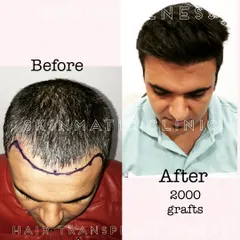
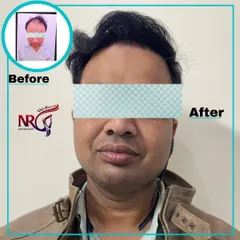
Hair Transplant Before & After Transformations
 13
13


Your Hair Transplant Journey: A Transparent Guide
Hair Transplant Results: The Growth Journey
More from Hair Transplant Surgery by MedLinks Hair Transplant
More services by MedLinks Hair Transplant