Hair Transplant Myths vs Facts: An Expert Guide
Don't let online misinformation delay your decision. Here is the science behind hair restoration, explained clearly so you know exactly what to expect from your procedure.
I often speak on public platforms like Akashvani's 'Hamari Sehat' to educate people on the science behind hair transplants. In this interview, I explain the causes of hair loss, who makes a good candidate for surgery, and why choosing an experienced surgeon is more important than finding a cheap deal.
Choosing the right clinic is the most important decision you will make. I advise patients to look at the surgeon's qualifications, the technology used, and the clinic's hygiene standards, not just the cost.
A key fact to understand is about permanence. While the transplanted follicles from the donor area are permanent, your surrounding natural hair can still be affected by genetic hair loss over time. I discuss a long-term plan with every patient.
Hair transplants are not just for large bald areas. The FUE technique is precise enough to fix receding hairlines, fill in beard gaps, restore eyebrows, or target small patches of hair loss with great accuracy.
While there is an initial investment, a hair transplant should not be seen as just an expense. When done correctly, the results are permanent, making it a cost-effective solution in the long run compared to temporary fixes.
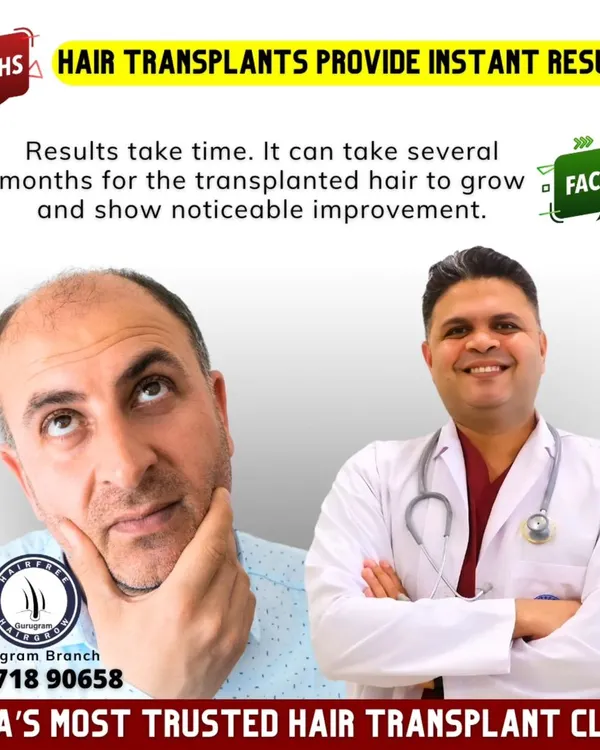
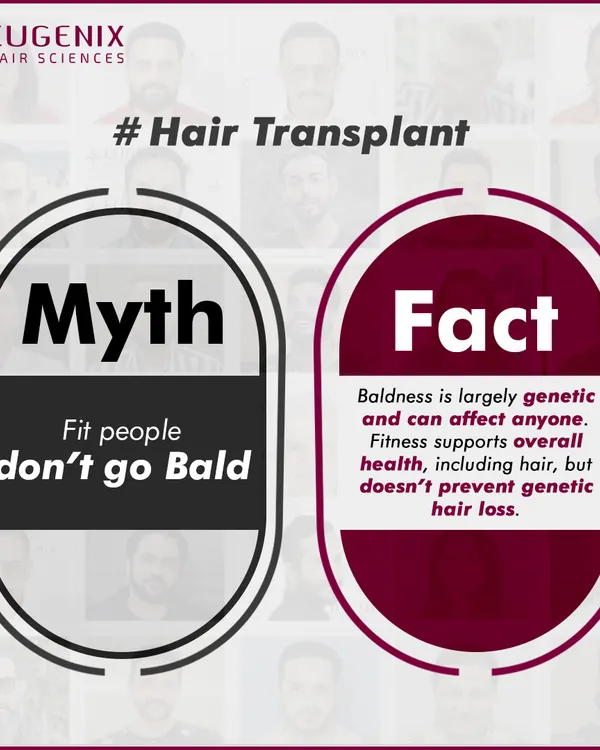
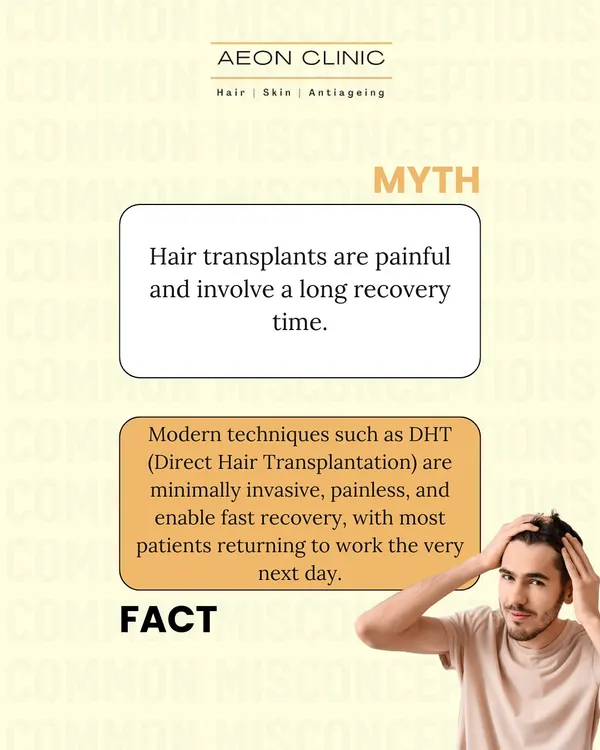
This image introduces a series where I break down common myths and facts about hair transplant surgery.
Let's separate fact from fiction. This is the start of a series where I address the most common questions and concerns I hear from patients during consultations.
A successful hair transplant is a permanent solution. This makes it a very cost-effective investment in your confidence and appearance over your lifetime.
About Expert Insights: Debunking Common Myths
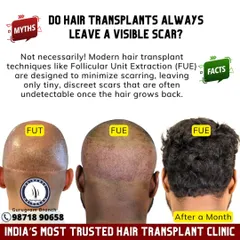
Many people worry that a transplant will leave them with a permanent scar or that the results won't last, but these concerns often come from outdated information or poorly performed surgeries. When I plan a procedure, we focus strictly on the permanent donor zone at the back of your head, ensuring that the hair we move is genetically resistant to shedding, so your new hairline doesn't just look natural—it stays that way for life.
Why 'Sasti Surgery' Often Fails
I often see patients in my clinic who come to me after a failed procedure elsewhere. They fell for the 'cheap surgery' trap—going to clinics that cut corners on the basics. A successful hair transplant is not just about moving hair; it is about knowing which hair to move. We only take follicles from the permanent zone, which are resistant to testosterone-driven hair loss. If a clinic harvests hair from outside this zone to save time or effort, that hair will thin out and fall within two to three years.
The Science of Permanence
One of the most common myths is that all transplanted hair stays forever regardless of your genetics. The truth is that while the transplanted follicles from the donor area are permanent, your surrounding natural hair can still be affected by genetic hair loss over time. This is why I treat every patient with a long-term plan, not just a one-off surgery. We have to look at the 'big picture' of your scalp to ensure you have a balanced, dense look for the next twenty years, not just the next two.
Is Hair Transplant Only for Large Bald Patches?
People think transplants are only for those with significant baldness. This is completely false. The FUE (Follicular Unit Extraction) technique I use is precise enough to fix receding hairlines, fill in beard gaps, restore eyebrows, or target small patches with high density and natural angulation.
Why You Need a Medical Approach
Whether it is the 'androgenetic alopecia' common in men or the complex hormonal issues I often diagnose in female patients, we need to treat the root cause. I don't just perform the surgery; I examine the medical reasons for your hair loss first. Sometimes, you don't even need a transplant—medical treatments like PRP or specific medications can solve the issue. My role is to give you honest advice, even if that means telling you that you aren't ready for surgery yet.
Similar work from other experts
Browse through Curated picks from other experts on mytribe
 10
10
Hair Transplant Myths vs. Facts
Hair Transplant Facts & Myth-Busting
Hair Transplant Truths: Expert Answers to Your Doubts
 10
10
Busting Common Hair Transplant Myths
 19
19
Hair Transplant Myths: Get the Truth from Our Doctors
Expert Answers to Your Hair Transplant Questions
More from Facial Hair Transplant by Vikas Panthri
More services by Vikas Panthri