Hair Transplant Facts & Myth-Busting
Before you rush into a decision based on online trends, get the facts. I focus on honest, science-based answers to help you decide if a transplant is actually right for your specific case.
A hair transplant is not the right solution for everyone. I explain who should not get a transplant, such as those with very early-stage thinning, a weak donor area, or active autoimmune conditions. A proper medical evaluation is essential.
If you are experiencing hair fall, don't just assume a transplant is the only answer. I explain why early diagnosis and medical treatments can often reverse hair thinning, potentially avoiding the need for surgery altogether. Prevention is always better than cure.
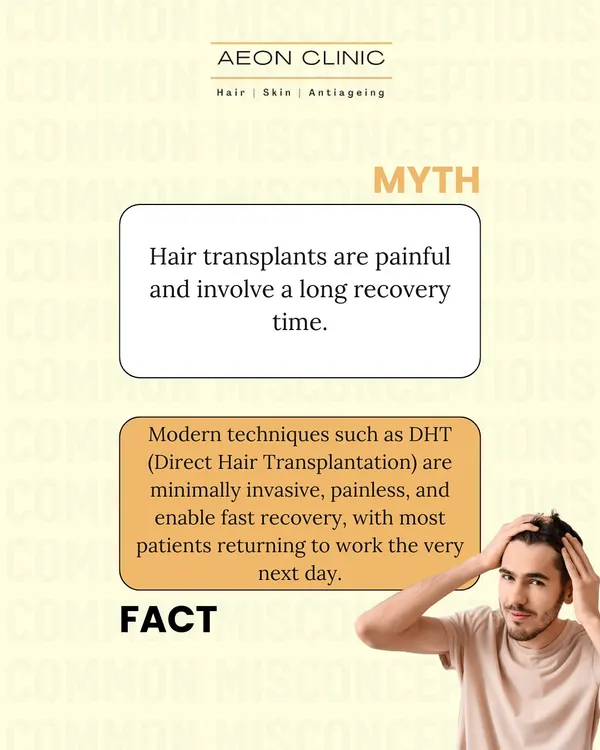
"When can I go back to work?" is a question I get a lot. I suggest taking at least two to three days off for office work. By day 10, the scabs will have fallen off, and it will be unnoticeable that you had a procedure.
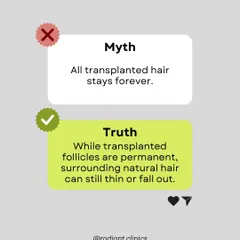
Are hair transplant results long-lasting? Yes, the transplanted hair is permanent. However, your non-transplanted hair can still thin over time, which is why a maintenance routine with medication is important to preserve your overall look.
I explain the role of PRP (Platelet-Rich Plasma) therapy after a hair transplant. While not a magic potion, it acts as a support system to speed up healing, improve graft survival, and boost overall hair growth for better density.
You may have seen online calculators that estimate the number of grafts you need from a photo. I explain why this is impractical and risky. A detailed in-person assessment with trichoscopy is the only way to create a customized and effective transplant plan.
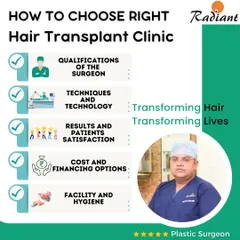
Before you decide on a hair transplant, there are some important things you must know. I discuss the importance of a proper scalp analysis, confirming your donor area's sufficiency, and ensuring a qualified surgeon performs the critical steps of the surgery.
About Your Hair Transplant Questions, Answered
Before you decide on a transplant, understand that a photo uploaded to a website cannot reveal your true scalp health. A proper trichoscopy assessment is the only way to know if your donor area is actually strong enough for surgery. Often, early-stage hair thinning can be reversed with medical management, saving you from an unnecessary procedure. I believe in telling you what works, not just what sells.
Why I Advise Against 'Online Assessments'
I see so many patients who come in with a number of grafts in their head, quoted by a website that just looked at a photo. This is dangerous. A hair transplant is a surgical procedure, not a generic retail purchase.
My assessment process involves:
- Trichoscopy: We need to look at your scalp under magnification to see if the thinning is reversible.
- Donor Area Check: If you don't have enough healthy hair in the back, extracting grafts will only ruin your donor zone without giving you density in the front.
- Medical History: I check for underlying conditions like diabetes or autoimmune issues, which can affect how you heal.
Hairline Design: It Is An Art
Hairline banana ek art hai (Designing a hairline is an art). I personally handle the slit making and hairline design because this is what determines if your results look natural or like a 'doll's hair'. I use irregular, zig-zag patterns to mimic how hair actually grows. My goal isn't just to cover baldness; it's to create a result that looks good even 10 years later.
The 'Sasta Ka Chakkar' Trap
Sasta ka chakkar mat karo (Don't fall for cheap deals). When you choose a clinic, ask: Will the doctor perform the critical steps like graft extraction and slit making, or will it be left to technicians? According to medical guidelines, the surgeon must be involved. If you visit me, you get my expertise at every crucial stage of the TRUE-FUE™ process, ensuring safety and precision.
Similar work from other experts
Browse through Curated picks from other experts on mytribe
Hair Transplant Questions Answered by a Dermatologist
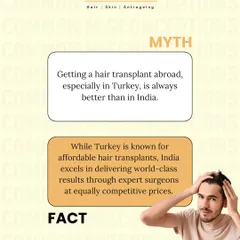
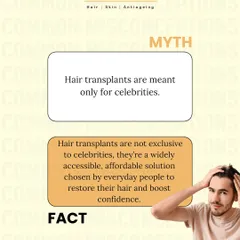
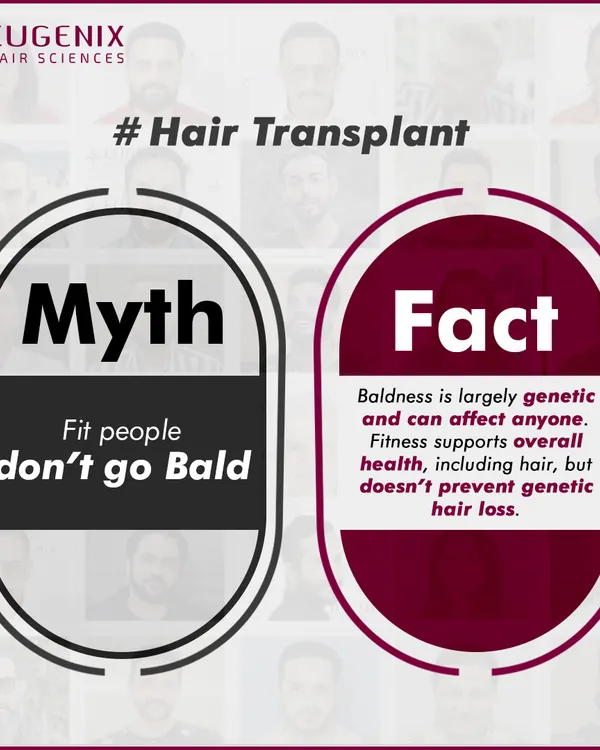
Hair Transplant Myths vs Facts: An Expert Guide
 19
19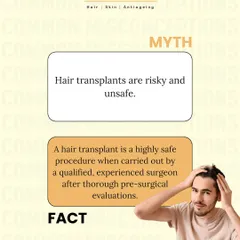
Hair Transplant Myths: Get the Truth from Our Doctors
 10
10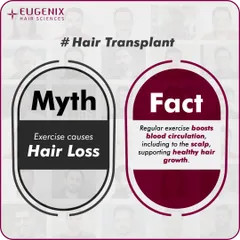
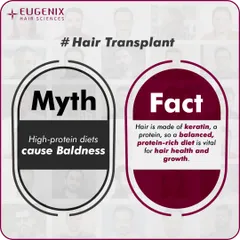
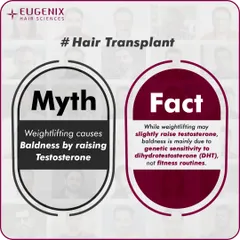
Busting Common Hair Transplant Myths
Your Hair Transplant Journey Explained

Hair Transplant FAQs: Get Honest Answers from the Experts
More from Hair Transplant Surgery by Amit Kerure
More services by Amit Kerure