Gym Equipment: Choosing the Right Tools for Performance
Most gym gear is marketing fluff. Here is the reality on what actually matters—from the sole of your shoe to the steel of your barbell.
Which are the best shoes for the gym? It depends on your goal. I compare regular running shoes, dedicated weight training shoes, and professional Olympic weightlifting shoes to help you choose the right tool for the job.
If you're looking for the perfect weight training shoe, this is it. I review the Vader Pro, which is designed for heavy lifting with a flat base, strong heel support, and a wide foot box.
Let's talk about the standard gym sneaker. They're great for cardio and general comfort, but their soft, cushioned sole makes them a poor choice for heavy weightlifting where you need a solid, stable base.
Should you spend 18,000 bucks on professional weightlifting shoes? Here's my pro and con review. They are a must for Oly lifts but are uncomfortable, expensive, and not suitable for cardio or even deadlifts.
Not all barbells are the same. I explain the difference between an Olympic weightlifting bar, a CrossFit bar, and a powerlifting bar, focusing on knurling, sleeve rotation, and tensile steel. Using the right bar is crucial for performance and safety.
A review of the Red Raptor CrossFit bar from Aerofit. The lack of center knurling, double grip marks, and smooth-rolling sleeves make it a brilliant, versatile barbell for performance-focused gyms.
If you have a compact personal training studio, you need a good functional trainer. I review this one from Aerofit, highlighting its robust build, 1:1 weight ratio, and low-maintenance aluminum sliders.
Old, tedious barbell clips are a thing of the past. These new magnetic clips from Aerofit are a simple innovation that makes a big difference. They're easy to use, grip tightly, and stick to the rack so you never lose them.
The landmine is a simple but highly effective setup for building explosive and rotational power safely. I demonstrate three key exercises: the landmine press, twists, and the reverse lunge and press.
A look at a sport-specific strength and conditioning session at The Box, a facility powered by Aerofit equipment.
About Gym Equipment: The Right Tools for the Job
If you’re squatting in standard running shoes, stop. The cushioned soles kill your force transfer and make you unstable under heavy loads. You need a solid, rigid base, whether that's barefoot training or a proper lifting shoe with a flat, incompressible sole. The same applies to barbells; if the sleeves don't rotate independently, you are unnecessarily putting torque on your wrists during snatches or cleans. I only recommend equipment that is calibrated for performance, not just for looks.
Beyond the Influencer Gyaan
Most people get suckered into buying 'fitness' products because they look cool or were pushed by an influencer. In reality, equipment is a tool. If the tool is bad, your training suffers and you get injured. I’ve tested everything from Aerofit machines to professional weightlifting shoes, and I only back what actually works.
Footwear: Foundation of your lift
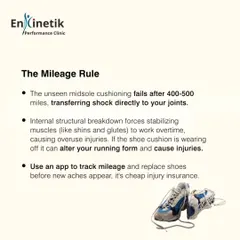
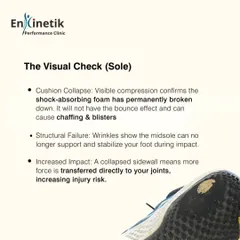
- Running/Cardio shoes: Fine for a jog, dangerous for a heavy squat. Soft soles = instability.
- General training shoes (e.g., Vader Pro): The best middle ground. Flat base for deadlifts, stable enough for most gym work.
- Oly lifting shoes: A luxury for some, a necessity for heavy clean and jerks. Rigid heels for depth and stability. Don't use them for cardio unless you want knee pain.
Barbells: Steel and Calibration
Don't buy a generic barbell. You need to look at three things:
- Tensile strength: Does it whip or snap? You want steel that gives under load, not garbage that breaks.
- Knurling: The grip. If you're doing high-rep CrossFit, you don't want deep knurling ripping your hands. If you're maxing out on a deadlift, you need deep, aggressive knurling.
- Independent sleeves: If the sleeves don't spin, the inertia of the plates will twist your wrists. Avoid fixed-sleeve bars at all costs.
Functional Trainers
If you are setting up a personal studio, don't get bulky machines that eat space. Look for a 1:1 weight transfer ratio, aluminum sliders (less maintenance than iron), and robust Japanese-made cables. If it's over-complicated, it's just another thing that will break.
Similar work from other experts
Browse through Curated picks from other experts on mytribe

Expert Guide to Running Shoes & Treadmill Technique
Gear and Nutrition Strategy for Endurance Athletes
Powerlifting 101: A Beginner’s Guide to Getting Strong
Master Your Lift: Expert Technique Guides for Real Strength
Training Technique and Injury Prevention
Science-Based Exercise Technique and Biomechanics Breakdowns
More from Strength & Nutrition Coaching by Pushkaraj Shirke
More services by Pushkaraj Shirke