Practical Running Techniques & Training Tips
Master your running form and training approach with insights from an ACSM certified coach. Learn to run smarter, not just harder.
Let's talk about nasal breathing. It can boost your oxygen levels and performance by increasing your body's tolerance for carbon dioxide. Try implementing it on your easy runs to see how it helps you run faster for longer.
Running in the summer heat can be draining. Here are some of my top tips: slow down your pace, increase hydration, run at cooler times of the day, and choose shady routes to avoid burnout.
A reminder that rest days are crucial for boosting performance. Your body needs time to adapt and get stronger. Not recovering properly negates all the hard work you put in during your training.
An infographic showing the major muscle groups used in running, like the glutes, quadriceps, and hamstrings. Understanding the biomechanics helps us target these areas in our strength training for better performance and injury prevention.
A proper warm-up is essential before any run. Here I am doing a dynamic side stretch to open up my hips and torso, ensuring my body is ready for the miles ahead.
A hamstring stretch is a must in any runner's routine. This helps maintain flexibility and prevent injuries, especially for those of us logging high mileage.
Tying my laces, a simple but crucial pre-run ritual. The right shoes and a secure fit are the first step to a great run. Getting ready to head out for a training session in Delhi.
Practicing running drills like high knees is a great way to improve your form and cadence. I incorporate these into my warm-ups to activate the right muscles before a run.
Spreading the love on Global Running Day. Running brings so much joy, freedom, and community into our lives. Every step counts, whether it's a short jog or a full marathon.
A weekend run by the iconic Vidhana Soudha. Starting the weekend with what I love most is the best way to recharge and reset.
About Coaching Corner: Tips & Techniques
One of the most effective ways to lower your heart rate and run longer is by switching to nasal breathing. It helps you tolerate carbon dioxide better, which means your cells get oxygenated more efficiently during those long, steady runs. I suggest trying it out on your next easy run day—it feels awkward at first, but your endurance will thank you later.
Running Smarter, Not Harder
My philosophy is simple: you need structure, but you also need to listen to your body. Whether you’re training in HSR Layout or prepping for a major marathon, the basics remain the same.
Injury Prevention
Running is high-impact, and injury rates are real. We focus on muscle conditioning—specifically glutes, hamstrings, and quads. If you aren't doing strength training, you're missing a massive piece of the puzzle. We use deadlifts and plyometrics to build a frame that can actually handle the mileage.
The Importance of Recovery
Rest days aren't 'off' days; they are essential training days where your body adapts and gets stronger. If you keep pushing without recovery, you're just canceling out the hard work you put in.
Hydration and Heat Management
When you're running in the heat, don't just drink when you're thirsty. Hydrate every 15 to 30 minutes. If you’re pushing for a specific race time, we’ll build a detailed fueling plan—gels, timing, and electrolyte strategy—tailored to your specific body and the course elevation profile.
Similar work from other experts
Browse through Curated picks from other experts on mytribe
Running smarter with science-backed training guides
The Science of Running: Strength, Technique & Injury Prevention
 10
10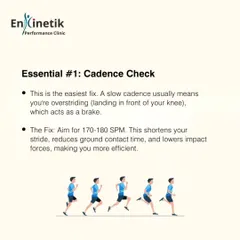

Run Faster: Proven Principles to Break Your Plateau
Training Technique and Injury Prevention