Practical Legal Insights: Navigating the Indian Legal System
Legal knowledge is your best shield. I break down complex procedures like anticipatory bail applications, living wills, and reading court judgments into simple, actionable steps.
Filing for anticipatory bail can be a crucial step to protect yourself from a potential false arrest, especially in heated family disputes. I outline the key arguments to include in your application, focusing on the nature of the offense, your past record, and demonstrating that you are not a flight risk. This is about using the law as a shield.
Is passive euthanasia allowed in India? Yes. The Supreme Court has allowed for the execution of a "living will" or an advanced medical directive. I explain what this means for a terminally ill person and how the procedure has been simplified, now requiring only two witnesses for it to be made voluntarily by a person of sound mind.
Transfer petitions are a critical tool in litigation, especially in matrimonial cases spread across different cities or states. I explain the grounds on which a case can be transferred, such as ensuring a fair trial or consolidating multiple proceedings. The court often considers the wife's convenience, but this leniency should not be misused, and every case is decided on its unique facts.
With the ANI team after giving a news bite on a new notification by the Assam Government regarding polygamy. The rule now makes it mandatory for a government servant to seek prior permission before entering into a second marriage, even if their personal law permits it. This is a step to protect the rights of the first wife, especially concerning pension and other benefits.
A snapshot from my discussion with ANI news on the recent Assam government notification about second marriages for government employees. Such legal updates are important for ensuring fairness and preventing women from being deprived of their rights in cases of polygamy.
One of the most common questions I get from law students is how to read a court judgment effectively. I offer a quick three-point guide: focus on the material facts, identify the legal principle applied (the ratio decidendi), and create a personal repository of important judgments organized by topic for future reference.
About Practical Legal Insights
When you are staring at a court notice, the legal jargon often masks the actual path forward. My work in this cluster—like explaining the specific conditions a judge looks for in an anticipatory bail application or the steps for executing a living will—is designed to help you strip away the noise. Before you decide your next legal move, understanding the mechanics of these processes allows you to communicate with your counsel with clarity and confidence.
Decoding the Law
Legal systems are often perceived as a maze of Latin phrases and complex procedures. My approach here is simple: if you cannot explain the law in plain language, it is not helping you. Whether you are dealing with a family dispute, an NRI legal matter, or simply trying to understand your rights, knowledge is the first step toward resolution.
Anticipatory Bail & Legal Protection
Filing for anticipatory bail is a critical defensive maneuver. It is not just about submitting an application; it is about demonstrating to the court that you are not a flight risk, that you will cooperate with the police, and that the nature of the accusation requires judicial protection. I explain how to frame your arguments around the gravity of the offense and your prior conduct to ensure the law acts as a shield, not a weapon.
Navigating Life & Death: Living Wills
Passive euthanasia, or the execution of a 'living will,' is a significant legal advancement in India. The Supreme Court has simplified the process significantly, doing away with the need for a judicial magistrate. Now, it requires two witnesses and a person of sound mind to voluntarily declare their wishes. I break down these requirements so you can make informed decisions about your medical directives without unnecessary confusion.
Demystifying Transfer Petitions
When litigation is spread across different cities or states, a transfer petition is often the only way to ensure fairness and efficiency. Whether you are seeking a transfer due to a reasonable apprehension of injustice or the need to consolidate multiple proceedings to avoid conflicting decisions, I explain how courts apply the principle of 'balance of convenience.' Remember, while the law often looks at the wife's convenience in matrimonial cases, every case is unique and decided on its specific facts.
How to Read a Judgment
I am frequently asked how to make sense of lengthy Supreme Court orders. Do not read them like a newspaper. Focus on three things: the material facts, the ratio decidendi (the legal principle applied), and the final order. If you are doing this for personal research, build a repository organized by topic—it will serve you well in the long run.
Similar work from other experts
Browse through Curated picks from other experts on mytribe
 10
10


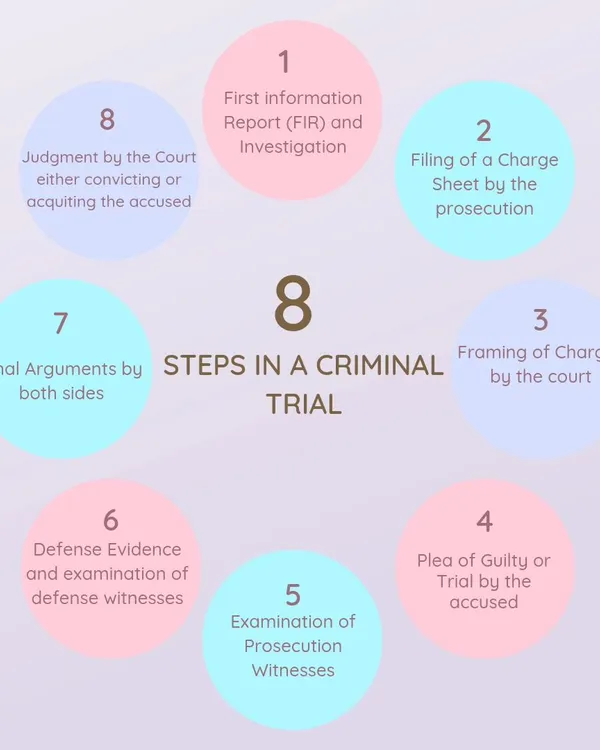
Understanding Common Legal Procedures in India
Navigating Criminal Law in India
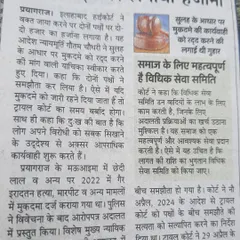
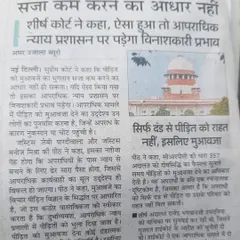
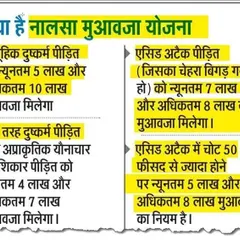
Legal Insights and Important Judgements for Your Rights
Demystifying Legal Procedures for Clearer Justice
 9
9


Know Your Rights: Essential Legal Insights for Every Citizen
Know Your Rights: Police & Court Procedures
More from Family Law Services by Prachi Pratap
More services by Prachi Pratap