Children's Hair Health: Science-Based Care
Stop stressing over myths. From nutrition and scalp hygiene to spotting early signs of thinning, here is the real, science-backed way to protect your child's hair.
I was shocked to see significant hair thinning in a 12-year-old patient. This case highlights a growing problem in young people due to lifestyle factors. I urge parents to encourage good nutrition, proper sleep, and less screen time to protect their child's hair health.
Is your child's hair not growing well? In this video, I explain the top four reasons this might be happening: nutritional deficiencies, genetics, stress, and even over-washing. Understanding the cause is the first step to finding a solution.
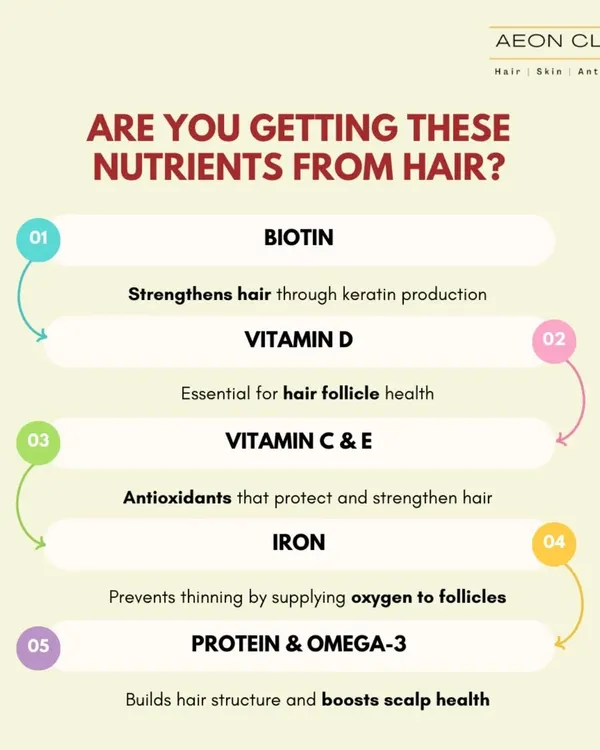
Nutrition is key for thick, healthy hair in children. I break down the essential nutrients your child needs, including proteins from eggs and paneer, iron from dates and greens, and Omega-3s from seeds, and how to easily include them in their diet.
As parents, we can unknowingly make hair care mistakes. This video covers common errors like tying ponytails too tightly, which can cause traction alopecia, using adult shampoos, and ignoring dandruff. Avoiding these can protect your child's hair from long-term damage.
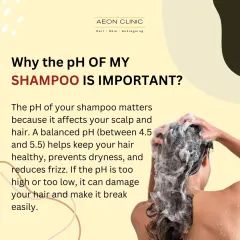
Are you using the right shampoo for your child? Not all products are safe for their delicate scalp. I teach you how to read the label and what ingredients to look for, such as 'pH-balanced' and 'tear-free', and which ones to avoid.
Many parents believe shaving a child's head repeatedly will make their hair thicker. This is a myth. Hair texture is determined by genetics, not by shaving. In this video, I explain why this cultural practice doesn't actually change the nature of your child's hair.
About For Parents: Children's Hair Health
Many parents ask if repeatedly shaving a child's head makes hair thicker, but scientifically, this has zero impact on hair quality. Texture is strictly genetic. If you are noticing consistent thinning or patchy spots in your child, it is usually linked to specific factors like iron deficiency, stress, or traction from tight hairstyles—all of which we can fix with the right diagnosis.
Why Your Child's Hair Health Matters Now
Seeing significant thinning in a 10 or 12-year-old is alarming, but it is becoming more common. My approach is to move away from the 'wait and watch' method and get to the root cause. Whether it is nutritional deficiencies or environmental factors, identifying the problem early prevents long-term damage.
Common Pitfalls We Can Fix
- The Ponytail Problem: Tight ponytails and braids can cause traction alopecia, leading to a receding hairline in young children. Keep hairstyles loose.
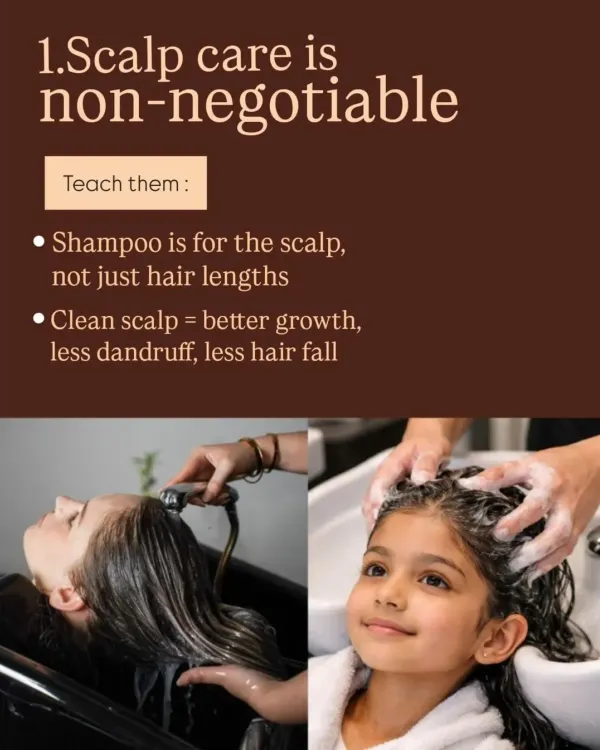
- The Shampoo Myth: Adult shampoos contain harsh chemicals and fragrances that can disrupt a child's scalp microbiome. Switch to pH-balanced, tear-free, gentle formulations.
- The Over-Washing Habit: Frequent washing strips natural oils. Aim for twice a week, not every single day.
- Nutrition is the Foundation: Hair growth is internal. I emphasize incorporating proteins (eggs, paneer, dals), iron (dates, greens), and Omega-3s (seeds) into your child's diet. These aren't just food; they are fuel for follicles.
When to See a Dermatologist
Don't wait if you notice these signs:
- Sudden, patchy hair loss (could be alopecia areata or fungal infections).
- Persistent, heavy dandruff that doesn't go away with basic care.
- Visible scalp visibility or rapid thinning that affects their confidence.
I treat scalp conditions, persistent infections, and hair-pulling habits (trichotillomania) with a focus on non-surgical, evidence-based methods. Let's look at your child's lifestyle—diet, stress, and screen time—to build a routine that actually works.
Similar work from other experts
Browse through Curated picks from other experts on mytribe
 7
7
Mumma Approved: Gentle Hair Care for Kids
Dr. Sheth's Hair Care Guide: Real Advice & Solutions
Scientific Guide to Scalp Health and Hair Care
 5
5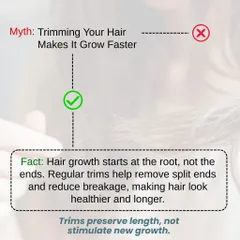
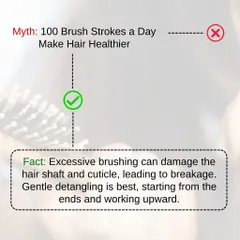
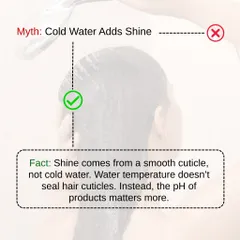
Hair Care Myths vs. Facts: What Really Works for Your Hair
 4
4
Expert Hair and Scalp Health Care
 34
34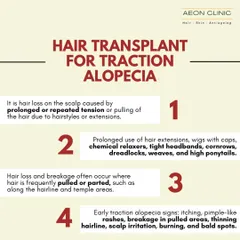
Practical Hair Care and Wellness Advice from Mumbai Experts
More from Non-Surgical Hair Loss Treatment by Deepam Shah