Playful Learning for Everyday Skills & Kid's Activities
Who says learning needs textbooks? I turn everyday moments—from hand-washing to board games—into adventures that help kids grow, one step at a time.
Using a Scrabble board to practice spelling and build vocabulary. We start with simple three and four-letter words, making it a fun challenge rather than a chore.
My son Shlok deeply focused on finding letters for his next word. Games like Scrabble are excellent for improving literacy skills and concentration.
A Tambola board is more than just a game. I use it to teach number recognition, sorting, addition, and subtraction in a visual and interactive way.
A simple card game to learn about comparing numbers. The "bigger than" concept is a fundamental math skill, and learning it through a game makes it much more engaging.
A simple but effective task for a 5-year-old: write as many two-letter words as you can. This encourages them to think about phonics and word formation.
The "snack challenge" was a fun way to test and teach self-control and honesty. It's amazing to see a child's thought process as they wait.
We make the 20-second hand-washing rule fun by singing our favorite songs. This turns a routine hygiene practice into an enjoyable activity.
This video captures my son overcoming his fear of animals and learning to be gentle and empathetic with a neighborhood cat. These are life lessons that can't be taught from a book.
A chalk obstacle course drawn on the pavement. This is a great gross motor activity that combines physical movement with following instructions like hopping and tracing lines.
A close-up of our Scrabble game in progress. You can see how we form a web of words, encouraging strategic thinking.
About Playful Learning for Everyday Skills
I’m often asked how I get my son, Shlok, to focus on things like spelling or math without a struggle. The secret isn't more study time; it’s a Scrabble board and a floor mat. When you turn a task into a game—like seeing who can find the most two-letter words or practicing subtraction with Tambola tokens—it doesn't feel like 'work' to them. It feels like winning.
Learning isn't something that only happens at a desk. At Milk Teeth, I believe that if you want a child to truly grasp a concept, you have to meet them where they are: in the middle of a game.
Turning Games into Classrooms
Take board games like Scrabble or Tambola. For adults, they're just entertainment. For my kiddos, they're stealthy classrooms. When we use Scrabble tiles, we aren't just spelling words; we're building phonics, concentration, and patience. With Tambola, those numbered tokens become hands-on tools for addition, subtraction, and sorting, which is far more intuitive for a child than scribbling on a worksheet.
Skills in the Everyday
Then there are the chores. Yes, even hand-washing! We turn the 20-second hygiene rule into a karaoke session with favorite songs. It stops being a chore and becomes a habit they actually enjoy. We've even used chalk on the floor to draw obstacle courses, turning gross motor skills practice into a high-energy race.
My Approach
My philosophy is simple: keep it real, not perfect. We mess up, we try again. My workshops in Bangalore are designed to share these exact methods with parents. Whether it’s helping a child overcome a fear of animals or teaching them the value of honesty through a simple snack challenge, it's about the process, not just the result. If you’re looking for ways to engage your little one, build their confidence, or just add a bit more joy to your daily routine, let's chat.
Similar work from other experts
Browse through Curated picks from other experts on mytribe
Play-Based Learning Activities for Toddlers
Play-Based Learning Activities for Children
Learning Through Play Programs in Koramangala
Hands-on Montessori Activities for Preschoolers
 16
16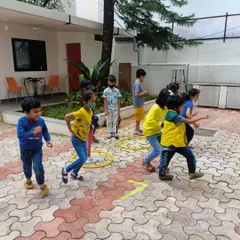
Interactive Play & Learn Workshops for Kids
Play-Based Classroom Learning in Action
More from Kids' Skill Development Workshops by Milk Teeth Activity Center
More services by Milk Teeth Activity Center