Mastering the Principles of Floral Design
Floristry is more than placing stems; it is a structural and psychological craft. At my studio in Indiranagar, we teach the mechanics, design strategy, and color theory that turn simple arrangements into professional, long-lasting installations.
What makes a design feel luxurious? It's not about quantity, but about the thoughtful combination of elements. This simple yet elegant arrangement teaches the principle of balance and restraint.
How do you balance color, texture, and proportion? This student proudly displays her work, a complex arrangement that demonstrates a sophisticated understanding of these core design principles.
Your flowers are only as strong as what's holding them up. This video touches on the hidden mechanics and advanced wiring techniques I teach to ensure arrangements are long-lasting and stable for high-end events.
A student stands with her creation, a beautiful example of balanced color, texture, and proportion. Learning to see and apply these principles is what elevates a florist to a designer.
What makes a design feel luxurious? It's the mastery of fundamentals. This low, horizontal arrangement showcases an understanding of color harmony and composition, creating a feeling of effortless elegance.
Think dried flowers are outdated? Think again. This video shows how to style dried botanicals for a modern, high-end look, focusing on intentional placement and sculptural forms rather than a rustic feel.
What is design thinking in floristry? It's about solving visual problems with strategy, psychology, and storytelling. It’s about creating meaning and purpose, not just beauty.
The misconception is that floristry is just arranging pretty flowers. That's decoration. Design thinking is deeper, smarter, and more impactful, and it's what I teach my students.
I train floral thinkers, not just arrangers. My curriculum covers creative direction, understanding briefs, moodboarding, and client-centric design strategy to prepare you for a professional career.
Red is the color of deep emotions, symbolizing love, passion, and desire. In my color psychology module, you learn how to use powerful colors like this to create arrangements for anniversaries and romantic gestures.
About Beyond Beauty: The Principles of Floral Design
Most beginners focus on the final arrangement, but professionals build the mechanics first. Whether it is balancing weight in a vertical installation or ensuring a centerpiece survives a 12-hour event, mastering the hidden framework—like using wire structures instead of just foam—is the difference between a hobby and a sustainable floral business. In these sessions, we strip back the aesthetics to study the physics and logic that keep your work standing tall.
The Science Behind the Stem
Designing with flowers is often treated as purely creative, but true professional work requires a strong foundation in design thinking. If you want to move from occasional arranging to a career in floristry, you need to understand how to solve visual problems before you touch a single petal.
Core Design Principles
- Spatial Awareness & Balance: We move beyond basic symmetry. You will learn how to manage negative space, create height, and ensure your designs look intentional from every angle in a room.
- Color Psychology: Colors communicate. We dive deep into why certain palettes evoke specific emotions, helping you choose hues that align with a client’s mood board or an event’s atmosphere.
- Structural Mechanics: Your design is only as good as its stability. I teach techniques like advanced wiring, rigging, and frame construction that allow for large-scale, intricate displays that stay fresh and secure throughout an event.
Learning at the Indiranagar Studio
Theory is essential, but it remains academic until you work with fresh materials. My courses are hands-on from day one. You will spend time in our studio space with professional lighting and all the necessary tools—from floral tape and cutters to bulk fresh botanicals. This is where you test your concepts, fail, fix them, and learn how to handle real-world pressure.
Whether you are joining for our professional certification or a focused workshop, the goal is the same: to give you the confidence to manage a client brief, calculate your material costs, and execute a design that works as well as it looks.
Similar work from other experts
Browse through Curated picks from other experts on mytribe
 39
39
Learn Professional Flower Arrangement & Backdrop Design


Floral Art Workshops & Studio Highlights
Floral Henna Workshop: Master 3D Shading & Modern Designs
Professional Floral Jewellery Design Workshops
 28
28
Signature Floral Henna Workshop
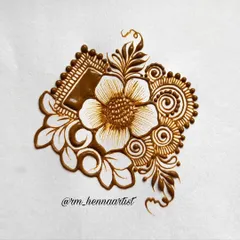
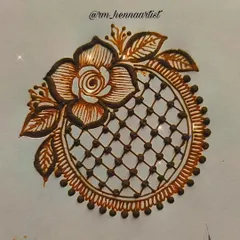
Mehendi Design Motifs and Floral Bunches
More from Professional Floral & Event Design Courses by Meghaa Modi Design School
More services by Meghaa Modi Design School