Our Learning Philosophy: Learn by Doing
We believe the best way to learn isn’t by listening, but by building. Discover how we turn curiosity into capability through hands-on STEM and robotics.
This is the core question I answer every day. Hands-on learning is essential because it engages a child's mind, builds real skills, and keeps their natural curiosity alive and thriving.
When students are actively involved, they learn better. My classes are designed to transform them from passive listeners into active participants, making every lesson an engaging experience.
I teach kids how to think, not just what to memorize. They explore challenges, reflect on their failures, and adapt their approach. This is how real problem-solvers are made.
The skills learned here are directly applicable to the real world. Practical tasks reinforce abstract concepts, ensuring students remember what they experience, not just what they hear.
What if play could shape your child's future? I turn ordinary play into real, hands-on building, where every block placed is a step towards developing critical life skills.
My students don't just make things; they build essential skills. Every project is an opportunity to develop creativity, problem-solving abilities, and a foundational understanding of technology.
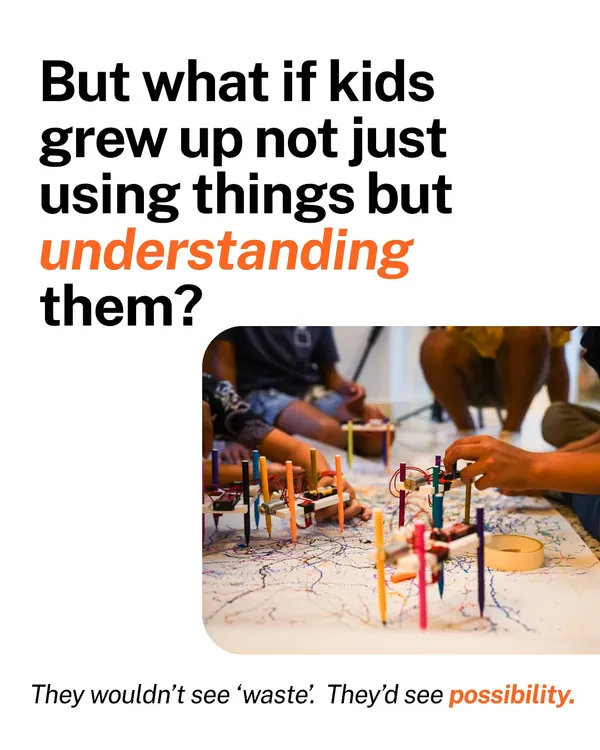
From movable machines to complex robots, kids at MakersLoft build real models and projects. They learn by doing, not just by watching, which makes the knowledge stick.
What do I teach? I focus on building curiosity, developing practical skills, and sparking innovation through age-wise, hands-on STEM programs that emphasize real-world problem-solving.
My programs are designed to empower curious minds of all ages. I provide a space for children, educators, and professionals to engage in hands-on learning and creative play.
Albert Einstein said, "Play is the highest form of research." I wholeheartedly agree. Through creative play, children build their imagination and problem-solving skills from a young age.
About Our Learning Philosophy: Learn by Doing
We often talk about the brain, but did you know your hands have a special connection to it? It is called the Homunculus—a map showing how much brain area is dedicated to our hands. When kids build, code, or construct a robot, they are not just playing; they are physically firing up more neural pathways than they would by just sitting through a lecture. This is why our classroom looks like a workshop, not a library.
Why Passive Listening Isn't Enough
Traditional schooling often relies on memorization and passive listening. At MakersLoft, we flip that model. We see it in our students every day: when a child struggles to make a line-following robot move, they aren't just 'playing.' They are engaging in critical thinking, debugging code, and iterating on their physical designs. This is the 'Aha!' moment where abstract concepts like physics and logic finally click.
Our 'Learn by Doing' Structure
We believe in a structured, progression-based learning path. Our modules are designed to build confidence, not just models.
- The Framework: Our standard courses run for 16 sessions. This gives students enough time to move beyond 'following instructions' and start 'solving problems.'
- Micro Batches: We strictly limit our batch sizes to 5 students. This is a deliberate choice. It ensures every child gets the 1:1 attention they need to actually understand what they are building, rather than just copying a peer.
- Real Tools: From LEGO Education kits to soldering irons and multimeters for our advanced robotics students, we provide the real equipment. There is no guesswork when you are holding the actual components of a machine.
A Path for Every Age
We cater to different developmental stages, ensuring the challenge is always appropriate:
- Mini Makers (Age 3+): Focus on fine motor skills and basic mechanics through building.
- Junior Engineers (Age 5+): Introduction to gears, motors, and movement.
- Young Coders (Age 7+): Transitioning to block-based programming with Scratch.
- Robotics Innovators (Age 10+): Advanced work with Python, Arduino, and tangible working prototypes.
Whether you visit us at our centers in Bengaluru and Kolkata or join our online programs, the goal remains the same: we build solvers, not just students.
Similar work from other experts
Browse through Curated picks from other experts on mytribe
 52
52
Empowering Future-Ready Minds Through Robotics
See Robotics and STEM Learning in Action
Turning Curiosity Into Real-World Innovation
 8
8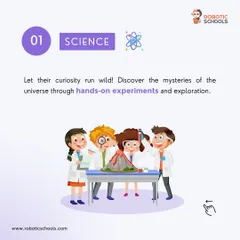
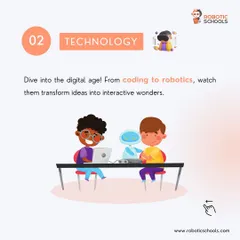
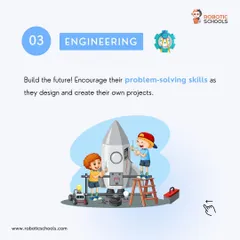
The S.T.E.A.M. Approach to Tech Education for Kids
Our Young Innovators in Action
 16
16
The Tinkernauts Philosophy: Building Curious Makers
More from STEM, Coding & Robotics for Kids by MakersLoft
More services by MakersLoft