Dog Psychology: It's Not The Dog, It's You
Most behavioral issues start with us, not the dog. I break down the psychology behind anxiety, aggression, and stubbornness, showing how your energy shapes your dog's world.
Many pet parents become emotionally dependent on their dogs, which can turn toxic. While dogs can read your emotions and provide comfort, treating them like human babies and isolating yourself from the world is unhealthy for both of you.
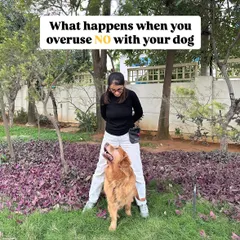
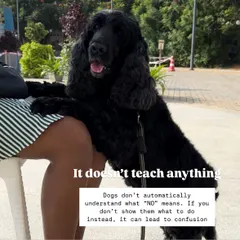
Is your dog stubborn, or just confused? Dogs understand patterns, not language. If you use the 'No' command with different tones and body language, your dog only learns to respond to the loudest, most serious version. Consistency is the key to clear communication.
How do dogs tell the difference between rich and poor? It's not about money. They learn from your reactions, categorizing people based on visual cues and your own behavior towards them. This video breaks down the three ways dogs learn to profile people.
Understanding dog learning theories like Pavlovian and Operant conditioning is crucial. Dogs learn through association (visual cues, conditioning) and by reading your social cues. This is the foundation of how they perceive their world and decide how to behave.
My dog is a racist. He's nice to well-dressed people and barks at others. This isn't a joke; it's a learned behavior. After seeing this in a client's dog too, I dug into the science of how dogs categorize people based on the cues we give them.
Here are 5 interesting facts about dogs. They have a sense of time, their nose prints are unique like fingerprints, they can smell your emotions, they dream just like us, and they can understand up to 165 words. They are intelligent, emotional beings.
Why does a dog wag its tail? It's not always happiness. A fast, stiff wag can signal aggression, while a wag to the left can mean nervousness. Understanding the nuances of a tail wag, along with the dog's overall body language, can prevent misunderstandings and bites.
A review of the book 'The Difficulty of Being a Dog'. It explores the conflict dogs face, living between their natural wild instincts and the domesticated world we've created for them. Do they truly love us, or have they just mastered survival with us?
A summary of the book 'Your Dog Is Your Mirror'. It argues that your dog's behavior reflects your own emotional state. If you are anxious, your dog will be too. To fix your dog's issues, you often have to fix your own first.
Do dogs have nightmares? Yes. Just like us, they can dream about their daily experiences, including negative ones. If your dog is anxious or growls in its sleep, it might be having a bad dream. Providing a calm environment and long walks can help.
About Dog Psychology: It's Not The Dog, It's You
Before you call your dog stubborn or anxious, look at the energy you bring into the room. Dogs don't just follow commands; they absorb patterns, moods, and the emotional chaos of their owners. If you are stressed, your dog is stressed. If you treat them like a human baby rather than a dog, you are creating the very anxiety you are trying to fix.
Most owners come to me looking for a magic fix for their dog's biting, pulling, or separation anxiety. The reality is usually simpler and harder to accept: your dog is just reacting to you.
Why 'No' Doesn't Work
We love using words, but dogs communicate in patterns. If you shout 'No' in anger, whine it in sadness, or whisper it when distracted, you aren't being a leader. You are just a source of confusion. Dogs learn your consistent body language, not your vocabulary. If they only listen when you finally scream, you have taught them that the earlier, quieter cues are optional.
Conditioning vs. Training
It isn't just about treating your way to a good dog. We need to look at Pavlovian and Operant conditioning. Pavlovian is about the environment, like how they get excited when they hear your car. Operant is about the rewards, the 'sit' for a treat. The disconnect happens when we assume they understand human morals like jealousy or guilt, when they are really just reacting to our presence and the attention we give others.
The Mirror Reality
Your dog is a sponge. If you have anxiety, do not expect a calm dog. If you are inconsistent, do not expect an obedient dog. Many of the behaviors we label as narcissism or stubbornness are just survival mechanisms or learned responses to an owner who hasn't set clear boundaries.
What to Expect in a Session
I don't do sit or stay drills in a void. We start by fixing the human dynamic. We identify triggers, fix the leader-follower hierarchy, and I teach you to read their body language, from stiff tails to whale eyes, before the growling starts. If you want a well-behaved dog, start by looking in the mirror.
Similar work from other experts
Browse through Curated picks from other experts on mytribe
Our Dog-Centric Training and Behaviour Philosophy
Understanding Your Dog's Mind and Behavior
Address Dog Aggression Through Understanding, Not Force
Understanding Your Dog's Behavior and Body Language
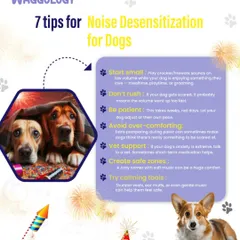


Overcoming Your Dog's Anxiety and Fearful Behavior
Tackling Tough Dog Behaviour Challenges
More from Dog Ownership Consultation by Kiga
More services by Kiga