Understanding Your Dog's Behavior and Body Language
Your dog is always talking to you, even when they aren't barking. From decoding subtle stress signals to managing frantic zoomies, I help you see the world through their eyes so you can finally be on the same page.
The single best thing you can do to understand your dog is to learn their body language. I always recommend the book "On Talking Terms with Dogs" by Turid Rugaas as an excellent starting point for decoding their calming signals.
This was a real day of training. My dog seemed off, and instead of pushing her, I listened. It turned out she wasn't feeling well. This is a reminder that there's always a reason for your dog's behavior, and sometimes it's physical, not behavioral.
Overusing the word "no" is a common mistake. This series explains why it's often ineffective and can lead to confusion or lower your dog's confidence.
Dogs don't automatically understand what "no" means. Without showing them what to do instead, the word just becomes confusing and doesn't teach them the correct behavior.
Constant correction without proper guidance can lower a dog's confidence, especially for anxious dogs. Positive reinforcement is a much more effective way to build a confident, happy companion.
If you say "no" all the time, it loses its meaning. The word becomes background noise that your dog learns to ignore, making it useless as a cue when you really need it.
Your dog may let you hug them, but that doesn't mean they like it. For many dogs, a hug can feel restrictive and stressful. I teach owners to read their dog's body language for signs of discomfort like lip licking or looking away.
Did you know adult dogs need 12 to 14 hours of sleep a day? Lack of sleep can lead to decreased cognitive function, more anxiety, and even physical health problems. Ensuring your dog gets enough rest is crucial.
Exercise is important, but it isn't the answer to every problem. Dogs also need downtime to rest, shut off their brains, and regulate their nervous system. A balanced routine includes both activity and calm.
Those frantic bursts of energy known as "zoomies" are a normal dog behavior. It's often a way for them to release pent-up energy, express excitement, or even relieve stress.
About Understanding Your Dog's Behavior
Stop using 'no' as a catch-all command for your dog. When you say it for every minor annoyance, the word loses its impact and just becomes background noise. Instead, try redirection. Show your dog exactly what to do instead of just telling them what not to do. This simple shift builds confidence and provides the clarity your dog needs to learn faster.
Why Your Dog Does What They Do
Most behavioral issues are not defiance. They are communication. Your dog is likely telling you they are overwhelmed, under-stimulated, or simply unsure of what you want from them. Whether you are dealing with food rejection, constant barking, or separation anxiety, the solution rarely lies in harsh discipline. It lies in understanding their triggers.
Common Myths We Need to Address
- Hugging: We love it, but many dogs find it restrictive and stressful. Watch for lip licking or looking away; these are clear signals that they need space.
- Zoomies: It is not necessarily bad behavior. It is often a healthy release of pent-up energy, excitement, or even stress. Let them run, but observe the context.
- The 'No' Overuse: As mentioned, constant correction without direction leads to confusion. If you don't show your dog what to do, you are setting them up to fail.
The Importance of Routine
A balanced daily schedule is often the most effective training tool you have. A dog that knows when to expect interaction and when to expect quiet time is a dog that can regulate their nervous system. If you struggle to structure this, I cover the specifics of routine building, safety zones, and crate usage in my masterclasses.
We will move past the social media misinformation and focus on practical dog psychology. We will look at your home environment, your daily management, and the way you communicate. My goal is to help you stop guessing and start feeling confident in how you interact with your dog every single day.
Similar work from other experts
Browse through Curated picks from other experts on mytribe
Understanding Your Dog's Mind and Behavior
Understanding Your Dog's Body Language
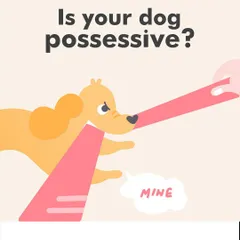
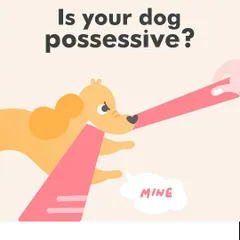

Understanding Canine Communication

What Is Your Dog Really Saying? Decode Your Pet's Body Language

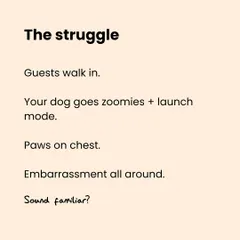
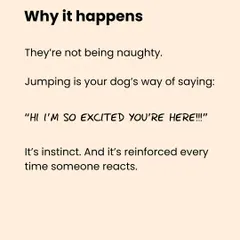
Dog Behavior and Training: Understand Your Pup's Habits
 6
6

Decoding Your Pet's Behavior
More from Educational Workshops & Webinars by Nitika Ahlawat
More services by Nitika Ahlawat