Tribe Verified

Signature Elements: Earthy & Natural Materials

byKham DesignProjects across India; Visit Studio in ChamrajpetStarts from1,800 ₹ Per Sq. Ft. of Carpet AreaView full gallery

I believe spaces should breathe. Using honest, local materials like terracotta, stone, and wood is not just a style choice—it is how we build homes that feel alive, grounded, and timeless.

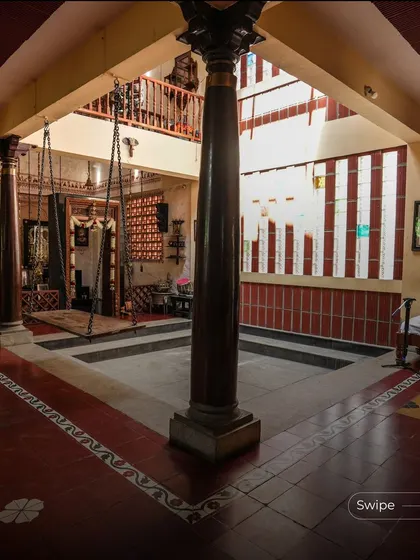
This graphic highlights the benefits of using terracotta. It's a natural, local, and breathable material that absorbs heat and releases it slowly, keeping temperatures stable. It also softens bright light, adding a warm, comfortable glow to any space.

My goal is to design homes that improve health and lower electricity bills. This graphic explains how I use natural materials and smart design to achieve this, creating spaces that work with nature, not against it.

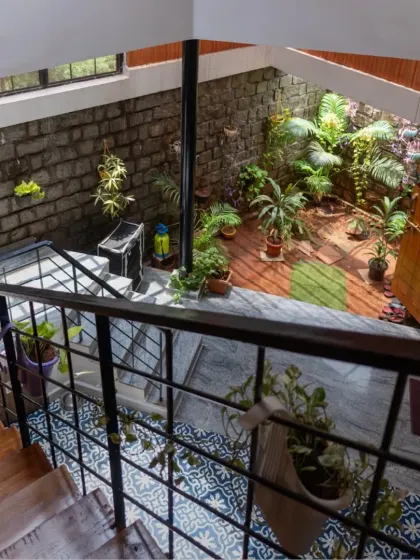
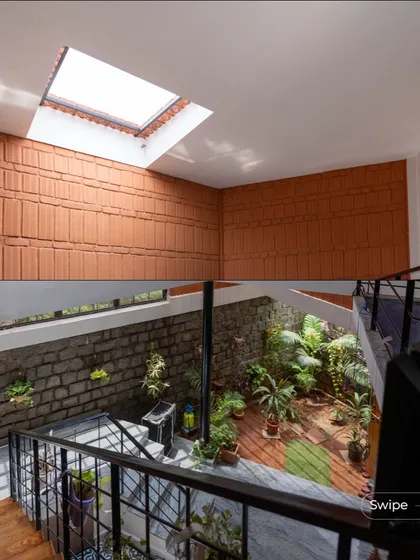
A collage showcasing the use of natural materials at the Gifty Residence. The raw texture of the stone walls, the warmth of the wood-paneled staircase, and the lush greenery of the indoor courtyard all come together to create a biophilic design.

The staircase at Gifty's Residence features wooden treads set against a backdrop of exposed stone and vertical wooden beams. This combination of textures creates a visually rich and tactile experience.

A detail shot showing the transition from granite steps to decorative patterned tiles. This juxtaposition of rugged stone with delicate pattern is a hallmark of my design approach, adding character and visual interest.

The staircase at the V S Sreedhara Residence is made of solid granite slabs, set against a rough stone wall. This creates a powerful, monolithic feel, grounding the space with the weight and texture of natural stone.

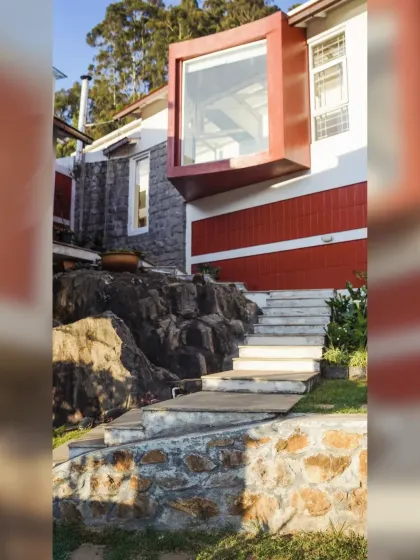
A collage showing the use of earthy materials like stone and terracotta bricks. The built-in stone seating (jagali) is a traditional feature that provides a rustic and comfortable place to sit.

A detail of a terracotta brick pillar at the Manjunath Residence. These hollow bricks are not just structural but also decorative, with small niches used to hold plants and candles, adding life to the architectural element.

Duplicate of 184. A detail of a terracotta brick pillar at the Manjunath Residence. These hollow bricks are not just structural but also decorative, with small niches used to hold plants and candles, adding life to the architectural element.

This image showcases a filler slab ceiling at the Manjunath Residence. By using lightweight terracotta pots as fillers, I reduce the amount of concrete needed, making the structure more eco-friendly and creating a unique, polka-dotted ceiling pattern.

About Signature Elements: Earthy & Natural Materials

When we use filler slabs with terracotta pots, we are not just creating a pattern on your ceiling. We are actively reducing the concrete volume and weight of your structure. This technique keeps your home naturally cooler, lowers construction costs, and gives you a finish that feels genuinely organic, which is something you simply cannot replicate with standard false ceilings.

Architecture is not just about structure, it is about how a space makes you feel. When I select materials, I look for items that have a connection to the earth and a long history of practical use.

The Science of 'Arivu'

My 'Arivu' approach is about sensory engagement. Natural materials have thermal properties that modern synthetic materials lack. For instance, terracotta is breathable. It absorbs heat during the day and releases it slowly, which stabilizes the internal temperature of your home. When you combine this with stone elements like Kotta or Kadapa, you are not just decorating; you are creating a passive cooling system.

Why Raw Textures Matter

I often use exposed brick, lime-plaster washes, and reclaimed wood. These surfaces are tactile. When you walk into a room, the feeling of real stone under your feet or the texture of a lime-plastered wall changes your relationship with the space. It forces you to slow down and notice the environment.

Practical Sustainability

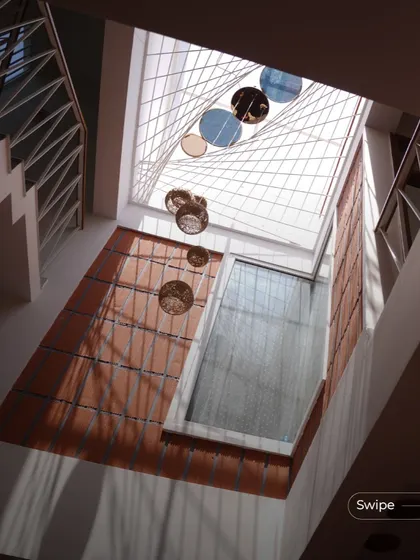
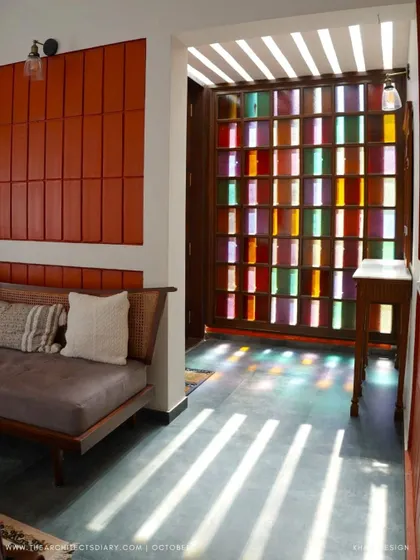
Sustainability often gets conflated with expensive technology, but for me, it is about using what is local and effective. Using Athangudi tiles is a commitment to supporting traditional craft, but it is also a practical choice for floor durability. Similarly, integrating skylights with natural material fixtures—like rattan or bamboo—allows us to reduce dependence on artificial lighting.

By working with these elements, we build homes that age gracefully, developing more character over time rather than just wearing out.

Over 20 years designing sustainable homes.Approved by the tribe
K

Kham Design

Projects across India; Visit Studio in ChamrajpetStarts from 1,800 ₹ Per Sq. Ft. of Carpet Area

I am Chetan, and at Kham Design, I do not just build structures—I craft experiences that breathe. Whether it is the coolness of stone underfoot or the soft light from a skylight, my focus is on using honest materials to tell your story. If you want a home that feels naturally calm, let us talk.

Looking for something specific?

Search our portfolio for other home design ideas and project types.