Monochrome Wildlife Photography: The Art of Black and White
Stripping away color reveals the raw textures, intense emotions, and timeless drama of the natural world. Join me as we learn to see the wild in a different light.
In black and white, the gaze of this leopard becomes even more intense and captivating. Monochrome strips away distractions, focusing the viewer on the raw power and soul of this elusive cat. This is one of my favorite portraits.
A lone male lion sits in the vast emptiness of the Maasai Mara. The black and white conversion enhances the sense of scale and solitude, making the king of the savannah appear both powerful and isolated.
A king in the rain. The monochrome tones accentuate the texture of the lion's mane and the falling raindrops, creating a moody, atmospheric portrait of a monarch enduring the elements.
Getting low to the ground creates a dramatic perspective. In monochrome, this cheetah on a ridge becomes a timeless silhouette, a ghost of the savannah against a moody sky. This technique is something I teach to add drama to your shots.
Does monochrome tell a better story? In this image of a young leopard, the lack of color focuses our attention on its curious expression and the texture of the earth, creating a simple yet powerful narrative.
Scars make the man, and they certainly make the lion. In black and white, the scars on this male's face are not just marks; they are stories of battles fought and won, a map of a life lived on the edge.
A lioness sits regally, her gaze unwavering. The sepia-toned monochrome gives this portrait a timeless, classic feel, as if she is a queen from another era looking into your soul.
A male lion walking directly towards the camera is always an intimidating sight. In monochrome, the focus is entirely on his powerful form and intense gaze, creating a feeling of raw, primal energy.
This gallery further explores the power of monochrome. Each image uses the absence of color to highlight different elements: the raw emotion of a hunt, the quiet dignity of a portrait, or the dramatic textures of the wild.
This gallery further explores the power of monochrome. Each image uses the absence of color to highlight different elements: the raw emotion of a hunt, the quiet dignity of a portrait, or the dramatic textures of the wild.
About Monochrome Wilderness
Many think monochrome is just about removing color, but it is actually about hunting for light and texture. When I teach this on location, I do not just tell you to adjust your camera settings. I show you how to get low to the ground—often getting a bit dusty in the process—to frame the subject against a clean horizon. It changes how you perceive the animal; it turns a record shot into a portrait with soul.
Seeing Beyond the Spectrum
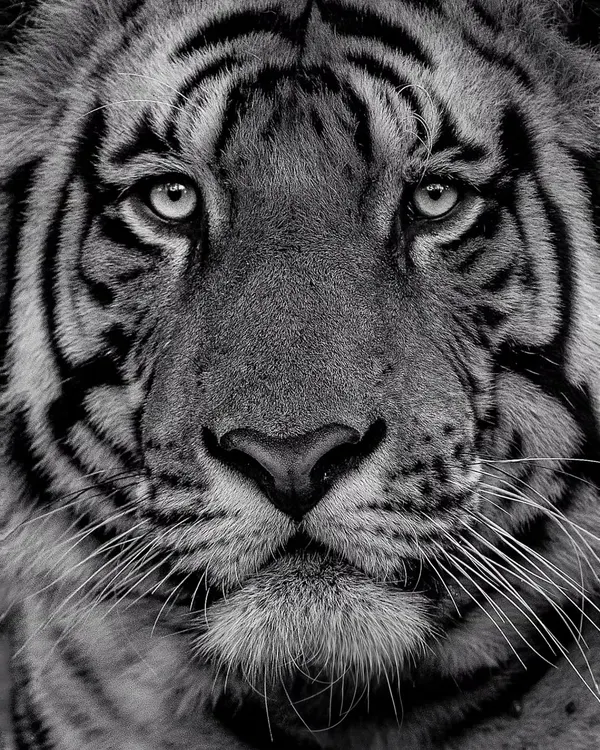
Color can be a distraction. In the dense foliage of Pench or the sprawling plains of the Maasai Mara, colors often compete for the viewer’s attention. By converting images to monochrome, we strip away the visual noise, allowing the viewer to focus entirely on the subject's form, the intensity of a predator’s gaze, or the intricate textures of a lion's mane.
The Ground-Level Approach
One of the most effective ways to elevate your wildlife photography is to change your perspective. I frequently encourage my students to get out of the vehicle and shoot from ground level, safety permitting. This technique creates a dramatic, eye-level connection with the animal. In black and white, this perspective becomes even more powerful, transforming a cheetah on a ridge into a timeless silhouette or giving a leopard an air of mystery and power.
Mentorship in the Field
Photography is not just about the gear; it is about the story you choose to tell. During our expeditions—whether we are tracking big cats in India or exploring the icy habitats of the Arctic—I guide you through the process of anticipating action. We discuss how to use exposure to manage high-contrast scenes, such as capturing a subject against a bright sky or in the dappled light of the jungle.
My goal is to help you move past snapshots. We will review your images during our evening sessions, focusing on editing workflows and post-processing techniques that bring out the best in your monochrome conversions. If you want to move from taking photos to creating art, I would be happy to have you join me on my next outing.
Similar work from other experts
Browse through Curated picks from other experts on mytribe
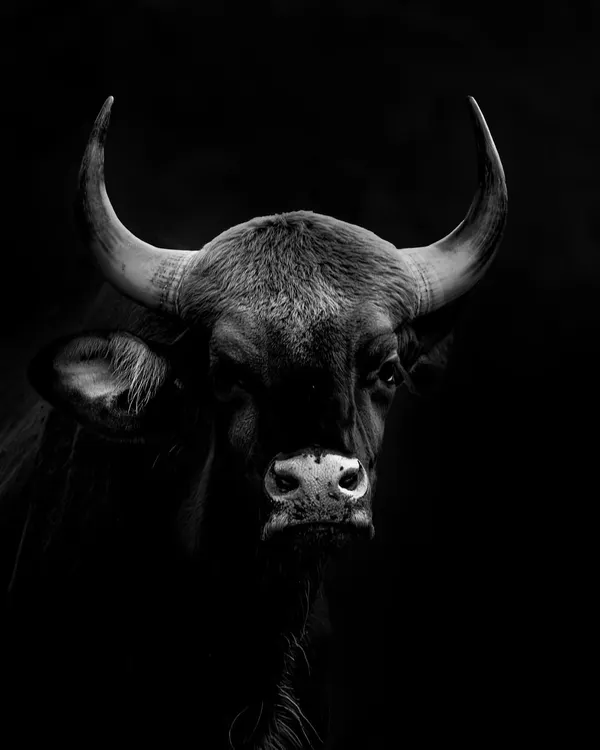 5
5
Monochrome Wildlife Photography
 13
13
The Art of Monochrome Wildlife Photography
 11
11
Artistic Monochrome Wildlife Photography
 12
12
Silhouettes & Monochrome Wildlife Photography
 19
19
Creative Wildlife Photography: Mastering Light and Mood
 9
9
Timeless Black & White Waterscapes
More from Wildlife Photography Expeditions & Workshops by Deepak Shankar
More services by Deepak Shankar