Practical Home Interior Design Tips
Designing a home is about balancing looks with how you actually live. These tips cover the small details, from lighting to door hardware, that make a space feel right.
Let's talk about main doors. Instead of traditional hinges that can be unsightly, consider concealed hinges and door closers for a clean, seamless look. I explain how planning for these details at the design stage can elevate your entrance.
A barn door with exposed hardware is a great way to add character to a space. In this video, I explain how this type of sliding door is easy to install and works beautifully as a stylish partition in open areas.
Need to save space without sacrificing style? A slide-and-fold door is a fantastic solution. It functions like a coupled door but folds away neatly to one side, giving you a wide, openable area in a compact space.
Synchronized sliders are a touch of magic for your double doors. I'll show you how this hardware allows you to open both doors by moving just one, enhancing both the look and functionality of your room partition.
From slide-and-fold mandir doors with brass bells to other unique designs, I love creating custom door solutions. If you have any questions about doors or their hardware, feel free to ask.
Want to install a biometric lock on your apartment door? It's a great security feature, but it requires a specific door thickness. I explain how to build out the door frame to accommodate modern locks and create a grand entrance.
How big should your main door be? I explain the 1:2 ratio rule for width to height to ensure your door is aesthetically balanced. For wider entrances, a double-leaf door is often the best choice for both looks and functionality.
Are you placing your lights correctly? Bad lighting can cause reflections on your TV or shadows in your kitchen. I explain why you should plan your lighting layout along with your furniture placement for a perfectly lit home.
Choosing the right light temperature is key to setting the mood. I break down the Kelvin scale: 3000K for cozy ambient light, 4000K for everyday activities, and 6000K for task-focused areas like kitchens and studies.
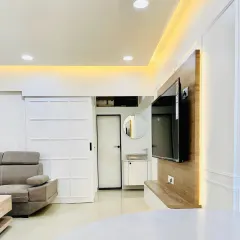
Feeling like your room is too dark? Before adding more lamps, consider putting lights inside your cabinets. This technique not only adds ambient light but also beautifully highlights your decor and accent pieces.
About Design Tips & Expert Advice
The best time to fix your lighting is not after the furniture arrives, but right when you are planning the space. I often see people struggling with shadows in the kitchen or reflections on the TV screen because the light points were decided without considering where the sofa or counter would sit.
Lighting, door hardware, and layout decisions often dictate the long-term comfort of your home. Here is how to approach these elements:
Lighting Layouts
Never install lights before deciding on your furniture layout. For ambient light in bedrooms or living areas, 3000K provides a warm, relaxing glow. For daily activities, 4000K works well, while 6000K is best for task-heavy zones like kitchens or study areas. Avoid mixing these temperatures too haphazardly. Also, consider placing LED strips inside your cabinets, as this adds both light and depth to your storage.
Door Design and Hardware
Your main door sets the first impression. A simple thumb rule for main doors is the 1:2 ratio. If your door is 7 feet high, it should ideally be 3.5 feet wide. For anything wider, double leaves are better for both balance and usability. For a modern, clean look, consider concealed hinges and hidden door closers. These remove the clutter of visible hardware, especially on glass or decorative doors.
Psychological Comfort
Your environment impacts your mood. You might notice that preferences shift with the seasons. Lighter, pastel shades often feel right during warmer summer months, while warmer, deeper tones can make a room feel cozy during winter. When selecting colors for your upholstery or wall paint, think about the long-term impact rather than just the current trend.
Similar work from other experts
Browse through Curated picks from other experts on mytribe
Practical Interior Design & Decorating Tips for Your Home
Practical Home Interior Design Tips & Expert Guidance
Design Philosophy: Expert Home Styling Tips
Design Inspiration & Trends for Modern Homes
Design Insights and Expert Interior Process
Living and Dining Room Makeovers
More from Architectural & Renovation Services by Jyoti Dabral
More services by Jyoti Dabral