Smart Design Ideas for Maximizing Small Spaces
A compact room does not have to feel small. With the right layout and clever storage, I help you turn limited square footage into an open, functional, and organized home.
A compact room holds immense potential. This video demonstrates how I approach small space design, using clever layouts, integrated furniture like a bed with a backlit headboard, and vertical storage to create a room that feels both cozy and uncluttered.
Choosing right-sized furniture is crucial for small rooms. I recommend selecting compact or multi-functional pieces that fit the room's scale to avoid a cramped look and maximize usable floor space.
To add depth to a small room without making it feel smaller, I use a balanced color palette. Combining light and dark shades, often with a darker accent wall, creates visual interest while keeping the space feeling open.
Vertical storage is a key strategy for maximizing small spaces. By installing wall-mounted shelves and tall cabinets, I draw the eye upward and keep the floor clear, providing ample storage without crowding the room.
Layered lighting can completely transform a small room. I use a mix of ambient, task, and accent lights, such as floor lamps and wall sconces, to brighten dark corners and create an illusion of spaciousness.
One of the biggest mistakes in a small space is surface clutter. I design with hidden storage solutions to keep tables, counters, and desks clear, which instantly makes a room feel more organized and spacious.
About Maximizing Small Spaces
Most people try to push furniture against walls, thinking it saves floor space, but that often just highlights the room's limits. I prefer using verticality and multi-functional pieces, like hydraulic beds or integrated study units, to open up the center of the room. It is a simple shift that makes the entire area feel significantly bigger without sacrificing storage.
When working with compact layouts, the goal is to remove visual clutter and create a flow that feels intentional rather than crowded. In Navi Mumbai apartments, where space is often at a premium, I rely on a few core design principles to transform a tight room.
The Power of Vertical Storage
Floor space is limited, but wall space is not. By installing floor-to-ceiling wardrobes and wall-mounted shelving, I draw the eye upward and keep the floor clear. This keeps essential items accessible while making the room feel taller and more open.
Layered Lighting for Depth
One mistake I see often is relying on a single overhead light, which flattens the room and makes it feel smaller. I use a mix of ambient, task, and accent lighting. Soft profile LED strips under shelves or a well-placed floor lamp can create depth, making dark corners feel like they are receding and expanding the perceived volume of the room.
Multi-Functional Furniture
If a piece of furniture only serves one purpose, it might be taking up valuable space. I incorporate design elements like hydraulic lift-up beds for massive under-mattress storage or study tables integrated directly into wardrobe units. This ensures that every inch serves a practical function, keeping your home tidy and peaceful.
Cohesive Color Palettes
Dark, heavy colors can make a room feel like a box. I prefer using a neutral base with one well-placed accent wall. This creates visual interest without closing off the space, keeping the atmosphere airy and welcoming.
Similar work from other experts
Browse through Curated picks from other experts on mytribe
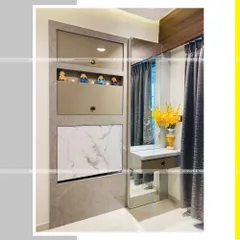
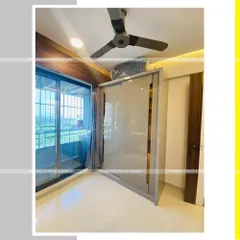
Smart Space-Saving Interior Solutions for Compact Homes
Smart Solutions for Compact Spaces
Making Small Spaces Feel Big with Smart Design
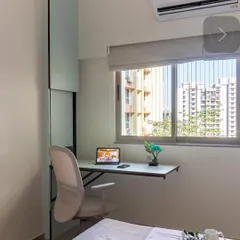
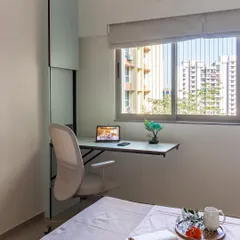
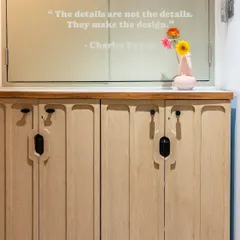
Smart Design Solutions for Compact Mumbai Apartments
Designing Multi-Functional Spaces for Compact Mumbai Homes
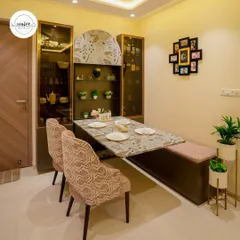
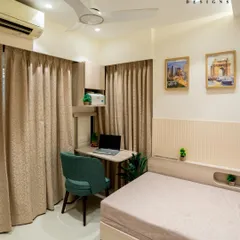
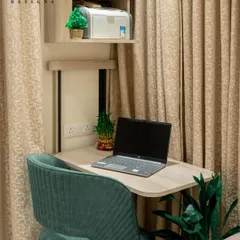
Smart Space-Saving Interior Solutions
More from Niche & Functional Space Design by Kanchan Kolge
More services by Kanchan Kolge