Sahi Tarika: Yoga Pose Breakdowns & Alignment
Yoga mat pe sirf exercise nahi, vigyaan (science) hai. Galat tarike se practice karoge toh faayde se zyada nuksaan hoga. I'm Vaibhav, and I'll help you fix your alignment so you stay injury-free and get the real benefit of every asana.
Kapalbhati is a powerful pranayama, but it's easy to make mistakes. In this video, I show you the three most common errors, such as elevating the shoulders, so you can practice correctly and safely.
Are you making these mistakes in Bhujangasana (Cobra Pose)? I'll show you the difference between collapsing in the shoulders and properly engaging your back to get a safe and effective spinal extension.
Let's correct your Downward-Facing Dog. A rounding back can lead to pain and weaken your arms. I'll show you how to modify the pose, like bending your knees, to keep your spine long and safe.
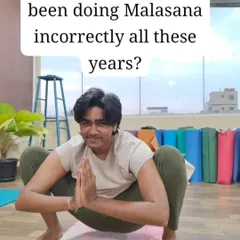
Are you doing Malasana like this, with a rounded back? I'll show you how to correct your posture by keeping your spine erect and your knees wide to properly open your inner thighs and strengthen your pelvic floor.
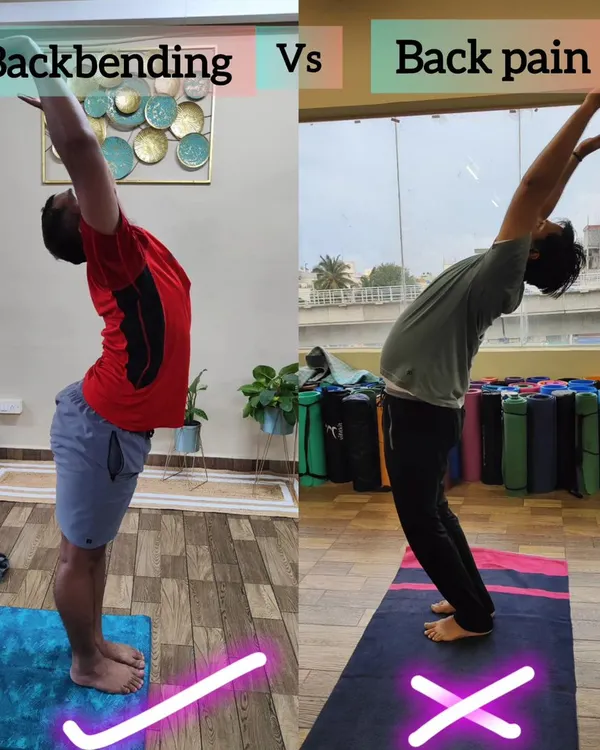
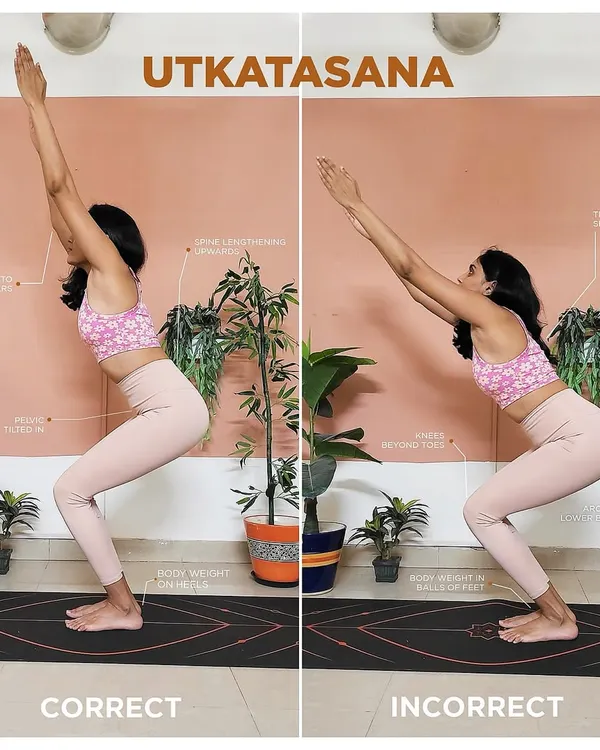
Let's correct your Utkatasana (Chair Pose) in one second. This video shows the difference between a wrong posture that strains the back and the correct posture that engages the legs and core.
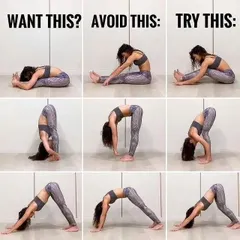
The goal of Paschimottanasana (Seated Forward Fold) is not to touch your toes but to lengthen your spine. I'll teach you the right way to practice, even if it means bending your knees, to get a safe and effective hamstring stretch.
This is a tutorial for Padmasana (Lotus Pose). I break down the steps to enter the pose safely, emphasizing the importance of relaxing the opposite leg to ease into the position without forcing your knees or hips.
Many people find it difficult to sit in Malasana. This tutorial shows two exercises, including one using a wall for support, to help you open up your hips and improve ankle mobility so you can sit in the pose comfortably.
If you sit in meditation with a slumped back, it can cause pain and distraction. This simple trick of sitting on a block or cushion elevates your hips, allowing your spine to be straight and comfortable for a more focused practice.
When getting up from the mat after lying down, you should always turn to your right side first. Getting up straight can strain your back, and turning right supports your body's natural balance since the liver makes this side heavier.
About Sahi Tarika: Pose Breakdowns & Alignment
Many people force themselves into Downward-Facing Dog with a rounded back, thinking they need to touch their heels to the floor. Stop. If your back isn't straight, you aren't getting the spinal stretch you need and you are putting unnecessary strain on your shoulders. A simple fix? Bend your knees slightly. It shifts the focus back to lengthening your spine, which is the whole point of the pose.
Why Alignment Matters More Than Depth
Yoga isn't about how deep you go into a stretch or how 'perfect' you look for an Instagram photo. It’s about how your body feels and whether you are using the right muscles. When you ignore alignment, you end up compensating with joints and ligaments instead of muscles, which is a recipe for back pain, knee issues, and shoulder injuries.
My Approach to Pose Breakdown
I treat every asana as a mechanical puzzle. Whether you are struggling with the intensity of Kapalbhati or trying to sit in Malasana without falling back, we need to look at the anatomy of the movement.
- Kapalbhati: Most students make the mistake of elevating their shoulders or tensing the face while breathing. We work on isolating the diaphragm without creating upper-body tension.
- Malasana (Yogi Squat): If you can't keep your heels down or your spine straight, it’s not because you aren't 'flexible'—it's often about ankle mobility and hip engagement. We use wall support and props to teach your body the right path.
- Seated Poses (Paschimottanasana): Stop trying to touch your toes with a rounded back. We focus on 'hinging' at the hips and keeping the chest open. If you need to bend your knees to keep your spine tall, do it. Your hamstrings will still get the stretch they need, safely.
Moving Beyond the Mat
Yoga is a long-term investment in your body. I show you how to modify poses for your specific limits—whether you have sciatica, disc issues, or tight hips. My goal is simple: give you the technique so you can practice independently and safely. Apun khali technique batayega, karna toh aapko hai. Let’s get your alignment sorted.
Similar work from other experts
Browse through Curated picks from other experts on mytribe
 13
13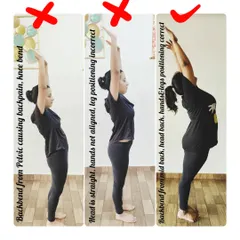
Learn the Correct Yoga Technique for Safe Practice
 8
8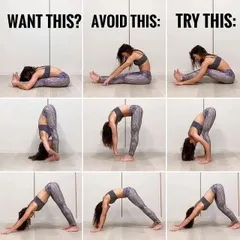
Correct Your Yoga Form: Tutorials and Alignment Tips
Master Yoga Alignment: Pose Guides for Safe Practice
 16
16
Master Your Yoga Pose Alignment and Safety
Mastering Yoga Asanas with Correct Alignment
Guided Yoga Asana Tutorials for Correct Alignment
More from Yoga Therapy for Health Conditions by Vaibhav
More services by Vaibhav