Scientific Plant Care and Gardening Tips
Struggling to keep your plants alive? We share scientific, easy-to-follow methods to diagnose common issues and help your indoor greens thrive.
Don't worry if your plant starts to look a little sad. This guide introduces the common signs of a dying plant and helps you find out what's wrong so you can bring your plant back to life.
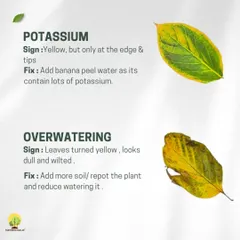
This infographic explains how to identify issues related to watering. It shows the distinct signs of overwatering, like wilted yellow leaves, and underwatering, such as dry brown leaves, and provides simple solutions for both.
Understanding sunlight is key to plant health. Here, we show you how to spot the signs of too much sun, like bleached patches, and not enough sun, like weak stems and pale leaves, with easy steps to correct the lighting.
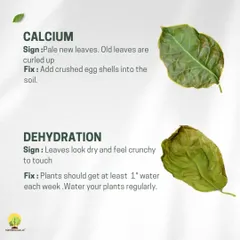
This guide focuses on plant nutrition deficiencies. If you notice weak stems or discolored leaves, your plant may need fresh soil or nutrients. We explain how to solve this by repotting or adding plant food.
Pests can be a common issue for indoor plants. This visual guide helps you identify signs of bugs, such as holes in leaves or abnormal growths, and offers a simple, effective solution using a mild soap mixture.
About Plant Care & Gardening Tips
Most people assume a drooping plant is thirsty, but wet soil is frequently the culprit. We teach simple, observational checks, such as using the finger test for soil moisture or examining leaf texture, to determine whether your plant is truly dehydrated or suffering from root rot.
Gardening is fundamentally about understanding the biological needs of your plants. Whether you are dealing with yellowing leaves, stunted growth, or unwanted pests, the solution often lies in adjusting the fundamentals of plant maintenance.
Watering Wisdom
The most common issue we see is overwatering. Many enthusiasts assume drooping leaves mean the plant is thirsty, when in reality, the roots might be drowning. We suggest the finger test: insert your finger into the soil. If it feels damp, wait a few days. If it is dry, water thoroughly until it drains out the bottom.
Sunlight and Position
Light levels directly impact photosynthesis. Bleached patches often indicate sun scorch, while weak stems stretching toward a window suggest the plant is searching for more light. We help you place plants according to their specific light requirements, ensuring they stay vibrant and healthy.
Nutrition and Repotting
Plants eventually exhaust the nutrients in their soil. If your plant has stopped growing or has discolored leaves, it might be time to repot or add organic plant food. We focus on soil health, emphasizing the right mix of coco peat and compost to ensure root aeration and nutrient absorption.
Pest Control
Insects can be discouraging, but they are manageable. Before reaching for harsh chemicals, we recommend simple, non-toxic solutions like a mild soap mixture for wiping leaves. Identifying the problem early, whether it is aphids or mealybugs, is the best way to prevent damage.
Visit us in Yelahanka for a guided walkthrough of our nursery where we can take a closer look at your plants.
Similar work from other experts
Browse through Curated picks from other experts on mytribe
Simple Plant Care Tips for Your Indoor Garden
 7
7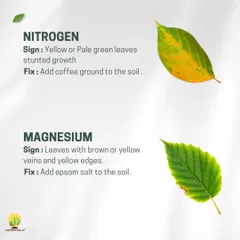
Plant Care Solutions: Saving Your Dying Houseplants
Gardening Tips & Plant Care Facts for Bangalore Homes
 13
13
Plant Care Tips and Gardening Guides for Indian Homes
 12
12
Plant Parent University: Expert Care Guides & DIY Tips
Practical Gardening Coaching & Plant Troubleshooting
More from Gardening Workshops by Greening Wonders
More services by Greening Wonders