Urban Gardening Guide: Expert Tips for City Spaces
Transforming a city balcony or terrace into a lush retreat requires more than just buying plants. We have compiled our professional insights on drainage, sunlight, and soil management to help you build a garden that thrives in our urban environment.
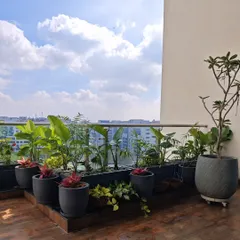
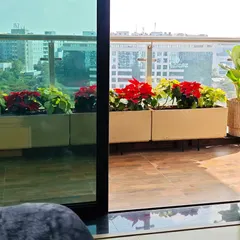
A well-organized balcony garden is achievable even in small spaces. We can help you set up shelving and select pots to maximize your growing area for flowers, herbs, and other plants.
A well-organized balcony garden is achievable even in small spaces. We can help you set up shelving and select pots to maximize your growing area for flowers, herbs, and other plants.
Tip: Choose the right plants for your balcony. We recommend herbs, succulents, and container-friendly flowers, and we always consider the specific sunlight and climate conditions of your space.
Tip: Choose the right plants for your balcony. We recommend herbs, succulents, and container-friendly flowers, and we always consider the specific sunlight and climate conditions of your space.
Tip: Invest in good soil. Using a high-quality, well-draining potting mix is crucial for healthy container plants, as it provides necessary nutrients and prevents root rot.
Tip: Invest in good soil. Using a high-quality, well-draining potting mix is crucial for healthy container plants, as it provides necessary nutrients and prevents root rot.
Tip: Use the right containers. Ensure your pots are the correct size for your plants and have drainage holes at the bottom to let excess water escape.
Tip: Use the right containers. Ensure your pots are the correct size for your plants and have drainage holes at the bottom to let excess water escape.
Tip: Provide adequate water. Be careful not to overwater, which can cause root rot. Check the soil moisture regularly to determine when your plants are thirsty.
Tip: Provide adequate water. Be careful not to overwater, which can cause root rot. Check the soil moisture regularly to determine when your plants are thirsty.
About Urban Gardening Guides
Most urban gardens fail because of improper drainage and heavy, nutrient-poor soil. Whether you are setting up a small balcony herb patch or a complex vertical wall, the foundation is the same: you must prioritize 30mm drainage cells and a sterile, lightweight growing medium to prevent root rot and protect your floor slab from moisture damage.
Urban gardening in cities like Bangalore requires a shift in thinking. You are not just gardening in soil; you are working with engineered surfaces. Over the last 15 years at Ecoscapes, we have learned that the success of a balcony or terrace garden comes down to three technical pillars.
1. The Right Foundation
Never put heavy garden soil directly on your balcony floor. It adds excessive weight and retains too much water, which damages waterproofing over time. We always use a mix of cocopeat, perlite, and vermicompost. It is lightweight, nutrient-rich, and drains efficiently. Pair this with a dedicated drainage layer at the base to keep excess water away from your tiles.
2. Plant Selection for Local Conditions
Look at your space before buying plants. Does your balcony get morning sun, afternoon harsh light, or is it mostly shaded? If you have limited light, avoid flowering varieties that demand full sun. Instead, opt for hardy foliage plants like Sansevieria or ZZ plants. If you want a kitchen garden, we recommend vertical setups for herbs like curry leaves or pudina to maximize your square footage without sacrificing walking space.
3. Irrigation and Upkeep
Automated watering is not just for large farms. Even for a 50 sq ft balcony, a basic drip irrigation system connected to a timer removes the guesswork. It ensures your plants get consistent moisture without you having to be home every day. If you are struggling with pests like aphids or spider mites, regular inspection is better than heavy chemical use. A simple neem oil spray, applied early, keeps most infestations under control before they spread to your entire collection.
Similar work from other experts
Browse through Curated picks from other experts on mytribe
Gardening Tips and Tutorials for Bangalore Homes
Practical Garden Tips and Design Ideas
Balcony & Terrace Garden Makeovers
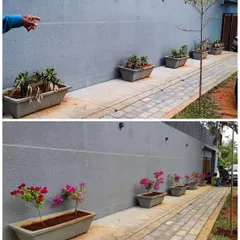
Create your own balcony and terrace garden
 6
6
Balcony & Small Space Gardening Ideas
 7
7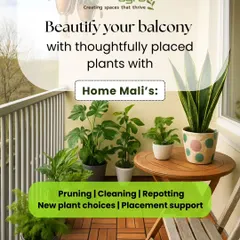
Build a Balcony & Home Garden That Actually Thrives
More from Urban Gardening & Green Walls by Ecoscapes Landscaping
More services by Ecoscapes Landscaping