A Montessori Environment Designed for Independence
We view the classroom as the third teacher. Our spaces are curated to be orderly, aesthetic, and accessible, ensuring every child finds the freedom to explore their potential without boundaries.
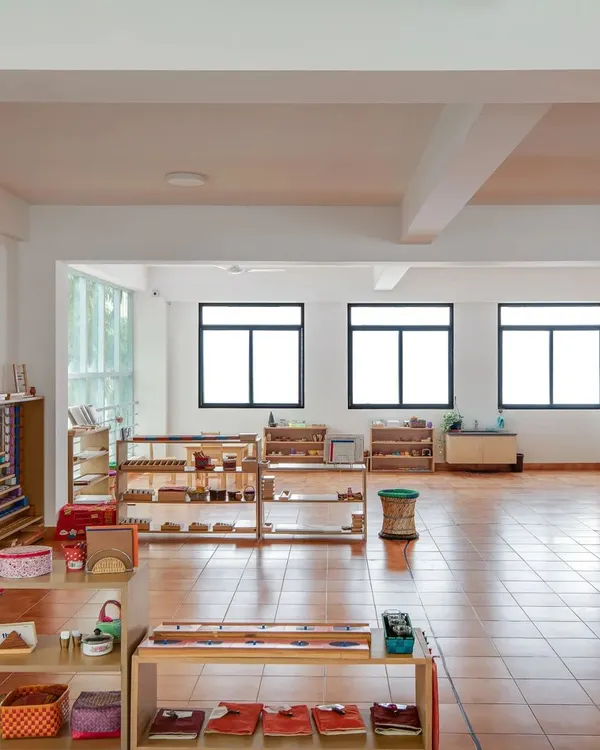
An overview of our elementary classroom. The space is open and uncluttered, with materials organized on low shelves, inviting children to choose their own work. The stone wall and wooden furniture bring the texture of the natural world indoors.
Two children are deeply engrossed in their research, surrounded by a wealth of books and reference materials. Our well-stocked library is a cornerstone of the environment, supporting their independent investigations.
A young child works on a puzzle map of the world. After completing the puzzle, she will trace the continents and paint them, extending a simple geography lesson into a multi-step art project.
A beautifully arranged tray of sewing and embroidery materials. We believe that presenting materials with care and beauty inspires children to treat them with respect and engage with the work more deeply.
A quiet corner of our primary environment. The shelves hold a curated collection of books and natural objects like shells and seed pods, sparking curiosity and inviting closer inspection.
A bird's-eye view of our classroom, showing the flow of the space and the variety of learning areas. The environment is designed to support both individual work and collaborative projects.
About Our Prepared Environment
You will notice that nothing in our classrooms is placed out of reach. From the low, open shelves to the child-sized furniture, every piece is intentional, encouraging children to choose their work independently. This structure eliminates the need for constant adult intervention, allowing your child to develop deep focus and self-reliance in a space that feels like home.
The physical environment is central to our Montessori practice. Our Cooke Town campus is a converted residential bungalow, chosen specifically to avoid the sterile, institutional feel of traditional school buildings. When you walk through our doors, you will see a space that mirrors the warmth and rhythm of a home.
Why the Environment Matters
- Order and Accessibility: We place materials on low, open shelves so children can access what they need without asking for permission. This creates a sense of agency and reduces frustration.
- Authentic Materials: You will find premium wooden apparatus, such as Nienhuis sets, alongside natural objects like shells, seed pods, and live plants. We intentionally avoid plastic toys and bright, overstimulating decor, as these can distract from the quiet, rhythmic focus we cultivate.
- Aesthetic Intent: We believe that beauty draws a child to the work. When tools are presented with care—whether it is a beautifully arranged tray of embroidery materials or a well-stocked library—children naturally treat their environment and their work with greater respect.
The Silent Journey
We often host 'Silent Journey' workshops where parents move through the school in silence, observing the environment from a child's height. It is a profound way to understand how even the smallest details, from the placement of a vase to the flow of the room, support the child's concentration and desire to learn. The environment is not a passive backdrop; it is an active participant in your child's education.
Similar work from other experts
Browse through Curated picks from other experts on mytribe
 23
23
The Prepared Environment: A Child's World
 15
15
Our Child-Centric Spaces
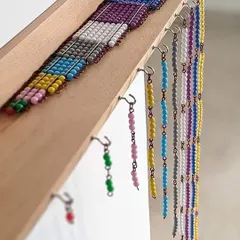
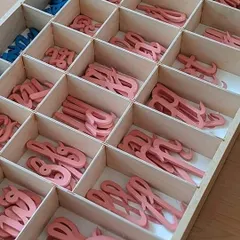
Our Prepared Environment & Learning Materials
 53
53
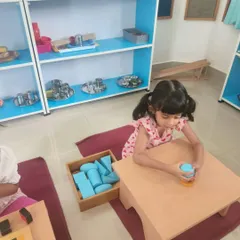
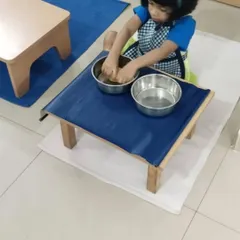
Our Montessori Classroom and Learning Materials
A Day in Our Pure Montessori Classroom
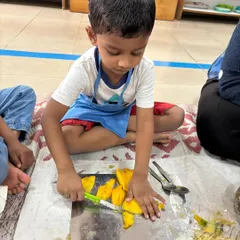
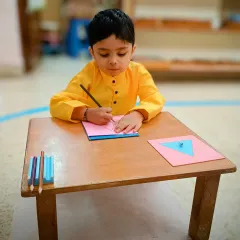
Our Montessori Classroom in BTM Layout
More from Montessori Primary & Elementary Program by The Earth School
More services by The Earth School