Simple Habits for Healthy, Clear Skin
Good skin isn't just about expensive serums or complex routines. Often, it is the small, daily choices—how you wash your face, what you sleep on, and when you exfoliate—that make the biggest difference in your skin's health.
Radiant skin is often the result of small, consistent micro-habits. This graphic outlines five simple daily practices, from staying hydrated and cleaning your phone screen to upgrading your pillowcase, that can significantly improve your skin's health and glow.
This graphic is the cover for a series on common skincare mistakes. Many people unknowingly sabotage their skin with small, daily habits, but recognizing these red flags is the first step toward building a routine that truly works.
Washing your face with hot water may feel relaxing, but it strips the skin of its natural oils and damages the moisture barrier. This can lead to dryness, sensitivity, and redness. I always advise using lukewarm water to protect your skin.
A common mistake is skipping sunscreen on cloudy days. Up to 80% of UV rays can penetrate clouds, meaning your skin is still exposed to damaging radiation. Making SPF a non-negotiable part of your morning routine is essential for long-term skin health.
Over-exfoliating with daily scrubs or harsh toners can cause micro-tears and inflammation, often making acne worse. I recommend limiting exfoliation to 2-3 times a week and choosing gentle acids like lactic or mandelic acid, especially for sensitive skin.
Forgetting to remove makeup before bed is like going to sleep with a layer of dirt and pollution on your face. Your skin repairs itself at night, and skipping this step leads to clogged pores and dullness. A double cleanse is the best approach.
The order in which you apply your skincare products matters immensely. A serum applied over a moisturizer cannot penetrate effectively. The correct order is always cleanser, toner, serum, moisturizer, and finally SPF in the morning.
Your pillowcase can be a surprising cause of breakouts. It collects dead skin cells, oil, sweat, and bacteria. I advise my patients to wash their pillowcases at least twice a week in hot water to prevent transferring these impurities back onto their skin.
That "squeaky clean" feeling after washing your face is often a sign of over-cleansing. This graphic shows the signs of a stripped skin barrier, such as tightness, rebound oiliness, and redness, and offers tips like using a gentle, non-foaming cleanser twice a day.
Many people don't realize that sweating is a natural way for your skin to detoxify. This short video explains how sweating helps flush out impurities like dirt and excess oil from your pores, which can reduce the risk of breakouts.
About Building Healthy Skin Habits
The biggest mistake I see in my clinic is trying to 'fix' acne by over-cleansing. When your face feels 'squeaky clean' after washing, you have actually stripped your skin's moisture barrier, which often triggers your skin to produce more oil and leads to further breakouts. Instead, try washing with lukewarm water and ditching the harsh scrubbing. It is a small change, but your skin will notice the difference in a week.
Why Your Daily Habits Matter
Skincare is not just about what you apply on your face; it is about how you treat your skin throughout the day. Your skin barrier is your first line of defense against pollution, bacteria, and irritation. When you get the basics wrong, you essentially create an environment where acne and sensitivity thrive.
Common Mistakes That Sabotage Results
- The Pillowcase Trap: Your pillowcase collects dead skin cells, oil, and hair product residue every single night. If you aren't washing it at least twice a week, you are effectively wiping last week's bacteria back onto your face.
- Temperature Matters: Washing with hot water feels relaxing, but it is one of the fastest ways to dry out your skin and cause redness. Always use lukewarm water to maintain your skin's natural balance.
- The Order of Operations: Products only work if they can penetrate the skin. Applying a heavy moisturizer before a serum means your active ingredients are just sitting on top of your skin doing nothing. Follow the sequence: Cleanser, Toner, Serum, Moisturizer, and SPF.
Dr. Rashmi’s Rule of Thumb
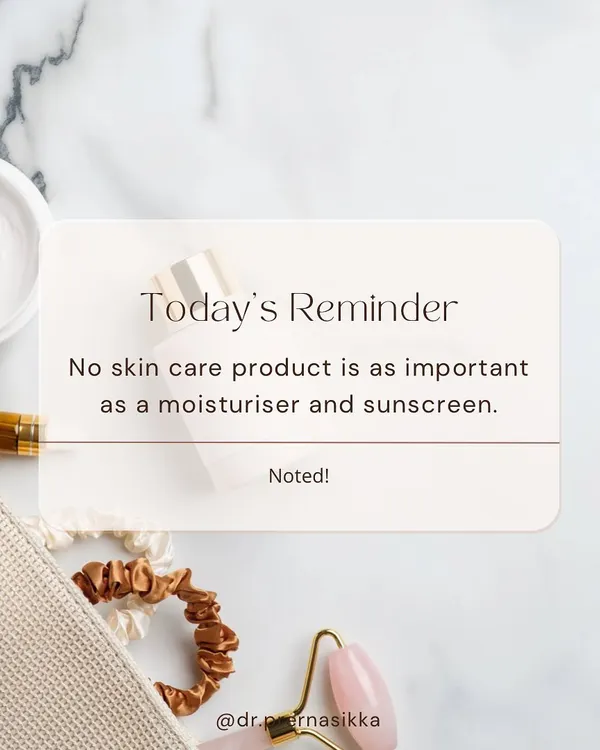
If you are overwhelmed, start with these three non-negotiables: a gentle, non-foaming cleanser, an oil-free moisturizer, and a dedicated sunscreen every single morning. Even on cloudy days in Bengaluru, UV radiation penetrates through clouds. Making SPF a habit is the single best investment you can make for your skin's long-term health.
Real skin health is a process, not a quick fix. It takes consistency to repair the barrier and see the results you want. If you are struggling with a routine that doesn't seem to work, we should sit down and look at what you are using. Sometimes, the solution is removing products rather than adding more.
Similar work from other experts
Browse through Curated picks from other experts on mytribe
Effective Skincare Routines and Habits
 6
6

Quick Skincare Tips for a Healthy Routine
Building Your Skincare Routine

Essential Skincare Routine and Ingredient Guide

How to Build a Daily Skincare Routine That Actually Works
 11
11


Smart Skincare Routines: Simple AM and PM Steps for Healthy Skin
More from Acne & Scar Treatment by Rashmi's Skin Clinic
More services by Rashmi's Skin Clinic