Understanding and Diagnosing Hair Loss
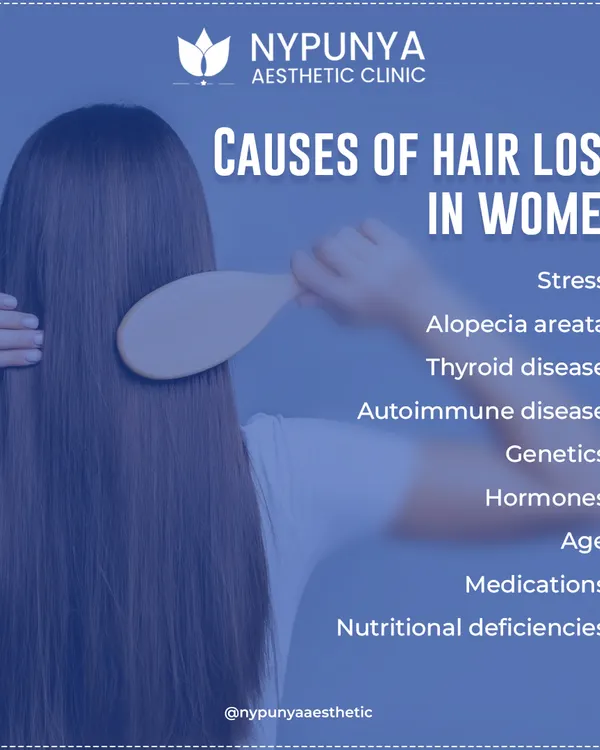
Effective hair restoration begins with an accurate diagnosis. I identify the specific cause of your hair loss—whether genetic, hormonal, or lifestyle-related—to create a personalized and scientifically backed treatment strategy.
This infographic shows the vicious cycle where stress, anxiety, and depression can contribute to hair fall and loss. Addressing these interconnected factors is a key part of my holistic approach to treatment.
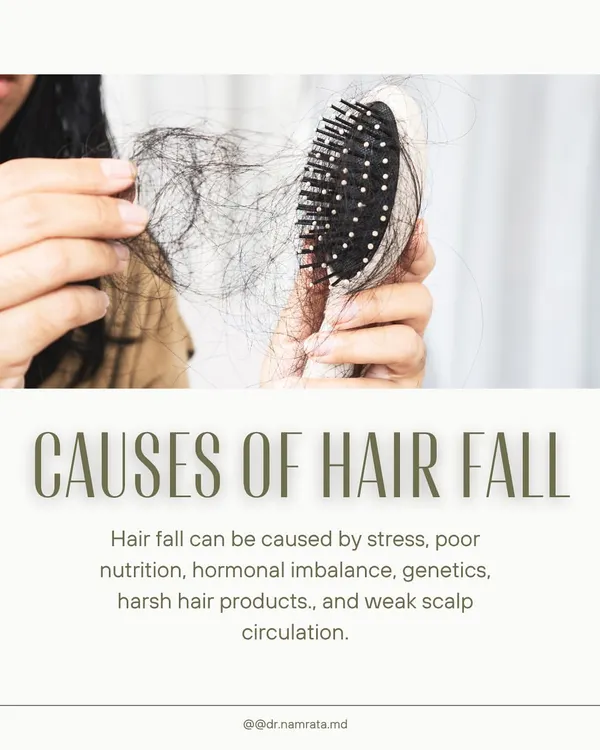
This image captures the distress that hair fall can cause. My goal is to provide comprehensive solutions that not only restore hair but also the confidence that comes with it.
In this educational video, I explain the importance of choosing the right hair serum for your specific hair concerns. This is part of a broader strategy to maintain scalp and hair health.
About Understanding and Diagnosing Hair Loss
Before suggesting any therapy, I conduct a detailed clinical assessment to identify the exact cause of your hair loss. By distinguishing between androgenetic patterns, nutritional deficiencies, and telogen effluvium, we can avoid generic treatments and focus on a plan that specifically addresses your biology.
The Importance of Clinical Diagnosis
Many patients assume hair loss is a single condition, but it is a symptom of various potential issues. My approach begins with ruling out metabolic, hormonal, or external factors that could be contributing to your hair thinning.
My Diagnostic Process Includes:
- Scalp and Follicle Examination: Using professional tools to check for miniaturization of hair follicles, which is a key indicator of androgenetic alopecia (hereditary hair loss).
- History Review: Analyzing your health history, recent surgeries, stress levels, and dietary habits to identify potential triggers like telogen effluvium.
- Deficiency Screening: Where indicated, I recommend appropriate blood work to rule out ferritin, Vitamin D, or B12 deficiencies that may be exacerbating your hair fall.
Why 'Quick Fixes' Often Fail
Internet-prescribed serums or over-the-counter oils often fail because they are not targeted to the underlying pathology. If your hair loss is hormonal, topical superficial treatments will have limited success. If it is stress-induced, clinical management alongside lifestyle adjustments is required. My goal is to provide a clear, evidence-based roadmap for your hair health so you can make an informed decision on whether to proceed with GFC, QR678 Neo, or other therapeutic interventions.
Similar work from other experts
Browse through Curated picks from other experts on mytribe
 7
7
Understanding & Managing Hair Loss: A Science-Backed Approach
Finding the Root Cause of Hair Loss
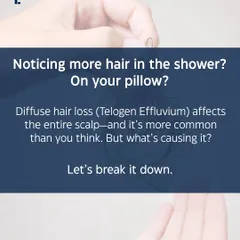
Identifying the Root Cause of Hair Loss
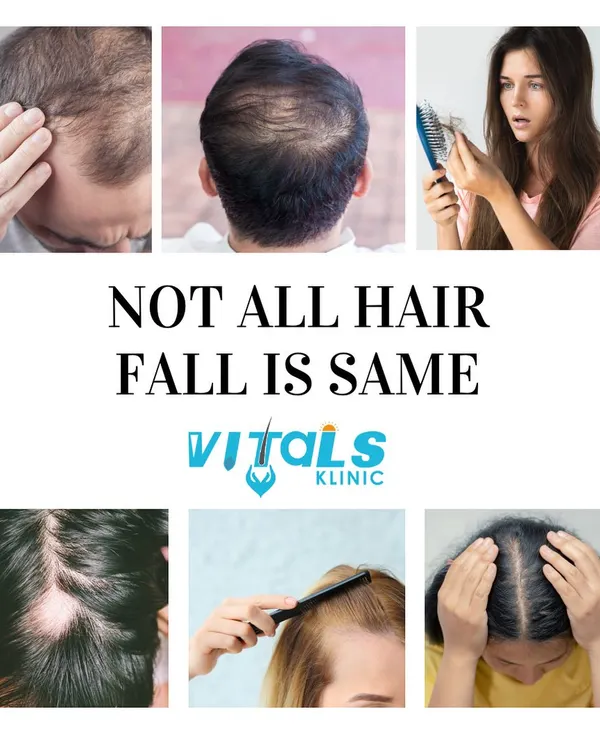 4
4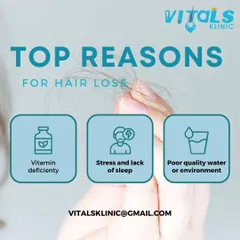
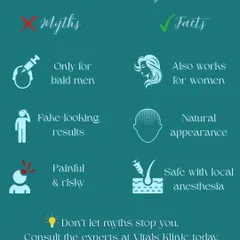
Understanding Hair Loss: Causes, Myths, and Solutions
 10
10Getting to the Root of Your Hair Loss
Understanding Hair Loss: Root Causes and Medical Solutions
More from Hair Restoration by Priya J Talageri
More services by Priya J Talageri