Advanced and Corrective Hair Restoration
Correcting a previous procedure or finding solutions when donor hair is limited requires more than just technical skill. It requires an honest assessment of what is possible, as we navigate complex cases to restore a natural look.
This patient required a repair hair transplant to fix a previous procedure done elsewhere. My focus was to create natural coverage and correct the pluggy, unnatural look he was left with. Corrective work requires a high degree of skill and careful planning.
This video shows the process of a synthetic hair implantation. This is a specialized procedure for patients who may not be candidates for traditional transplants. It involves implanting biocompatible polyamide fibers to create the appearance of density.
I believe in educating my patients about all their options. In this video, I explain synthetic hair implants. These are polyamide biocompatible fibers, not natural hair. While they offer an instant result and are an option for some, they do not grow and require maintenance.
About Advanced & Corrective Procedures
Repairing a previous transplant is not about covering old work. It is about fixing the angle, density, and hairline design to restore a natural look. Whether we are correcting pluggy grafts or exploring synthetic alternatives, my approach focuses on what will actually work for your specific anatomy, not just promising a quick fix.
Navigating Corrective Work
A bad hair transplant is a heavy burden, both physically and mentally. When patients come to me for repair, they are often dealing with pluggy hairlines, unnatural follicle angles, or patchy results. Fixing this is delicate. We often need to remove or realign grafts that were poorly placed, while simultaneously managing the remaining donor supply. It is slow, meticulous work that requires patience.
Synthetic Hair: The Reality Check
Sometimes, the best solution isn't natural hair. For patients with severely depleted donor areas, we look at synthetic hair implantation. These are polyamide biocompatible fibers.
- The Pros: You get immediate density. There is no surgery to harvest hair from the back of your head.
- The Cons: These fibers do not grow. They are high maintenance, requiring specialized shampooing and regular clinic visits. There is also a yearly fallout rate of about 10 to 15 percent, meaning you will need touch-ups every few years.
I only recommend this when natural harvesting is no longer an option. If you opt for this, you must be prepared for the maintenance that comes with it. My job is to give you the honest picture—what can be done, what should be done, and what simply isn't worth the risk. Whether we are redoing a hairline or managing advanced baldness, we take it step by step, ensuring the result feels like you.
Similar work from other experts
Browse through Curated picks from other experts on mytribe
 4
4Specialized & Corrective Hair Restoration Procedures
Specialized & Corrective Hair Transplant Solutions
Hair Transplant Correction & Low Donor Area Solutions
Advanced and Specialized Hair Transplants
 8
8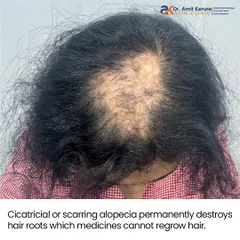
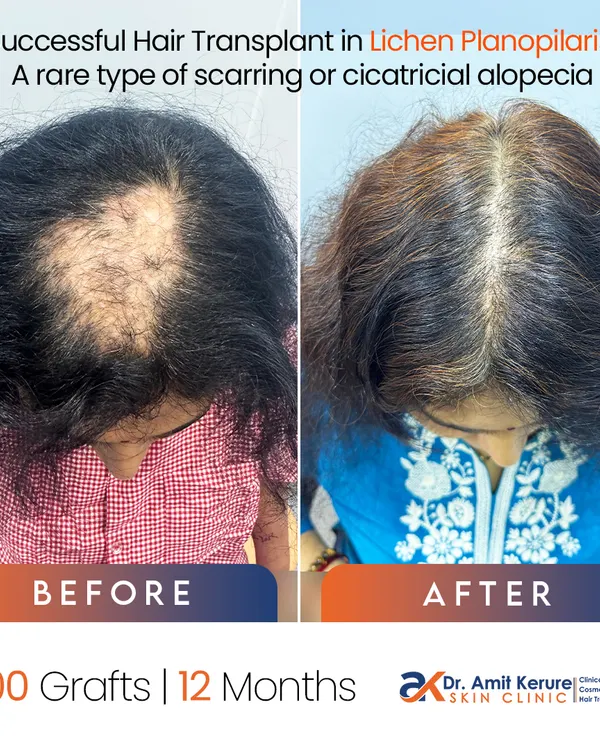
Scarring Alopecia & Corrective Hair Transplant
Specialized Hair Transplants in Mumbai
More from Hair Transplant Surgery by Malay Mehta
More services by Malay Mehta