Your Guide to Healthy, Science-Backed Skin
Confused by all the skincare advice floating around online? Let’s clear the noise. I’m Dr. Lipy Gupta, and I break down the science of skin health so you can stop guessing and start making choices that actually work.
I was featured in the Times of India discussing the dangers of self-medicating your skin based on social media trends. It is always best to consult a dermatologist to avoid adverse effects and long-term damage.
Let's bust some common skincare myths. Is sunscreen only for sunny days? Can too many products harm your skin? Test your knowledge and learn the facts.
It's essential to understand what sunscreen is and how it works. I break down the difference between physical and chemical sunscreens and explain how they protect your skin from damaging UVA and UVB rays.
Using potent serums correctly is key to getting results without causing irritation. This is a quick guide on how often to use popular ingredients like Retinol, Vitamin C, and Glycolic Acid.
Consistency is everything in skincare. This chart provides a simple guide for how often you should be doing key parts of your routine, from daily cleansing to yearly skin checks with a dermatologist.
Here are some amazing skincare tips for common issues like enlarged pores, redness, and eczema. The right approach can make a huge difference in managing these conditions.
These simple beauty tips can have a big impact on your skin's health. Remember to hydrate, avoid touching your face, and moisturize correctly.
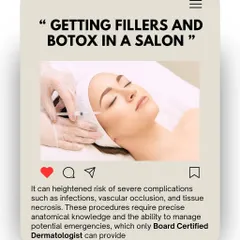
How often should you book your appointments? This guide gives you a general timeline for follow-up sessions for treatments like Botox, chemical peels, and fillers to maintain your results.
About Your Guide to Healthy Skin
Most of the skincare 'hacks' you see on social media are either ineffective or, worse, risky. Whether it is choosing between physical and chemical sunscreens or understanding why your retinol routine isn't giving you the results you want, the answer is rarely a generic product recommendation. It is about understanding your skin's specific physiology and reacting to the root cause, not just the symptom. Before you invest in another serum, let's look at what your skin actually requires.
Why DIY Skincare Often Fails
We live in an age of information overload. You see a trending product, you read a few reviews, and you add it to your cart. But skin is not one-size-fits-all. When you self-medicate or follow generic routines, you aren't just wasting money; you are risking long-term damage to your skin barrier.
The Science of Your Skin
My approach is simple: diagnosis first. Whether you are dealing with persistent acne, stubborn melasma, or premature aging, the treatment must be evidence-based.
- Sunscreen Mechanics: It is not just about SPF. It is about understanding UVA, UVB, and infrared protection, and choosing between physical (zinc oxide) or chemical formulations that suit your specific skin sensitivity.
- Active Ingredients: Potent ingredients like Vitamin C, Glycolic Acid, and Retinol can transform your texture, but only when used at the right frequency. Overusing them is the fastest way to irritate your skin.
- Routine Consistency: Skincare is a long game. From daily cleansing to the importance of professional yearly check-ins, consistency matters more than expensive treatments.
My goal is to show you the right path—hamara kaam hai aapko sahi raasta dikhana. If you are ready to stop experimenting and start following a routine designed for your biology, let’s talk.
Similar work from other experts
Browse through Curated picks from other experts on mytribe
 34
34


Science-Backed Skincare Education & Myth Busting
 25
25

Expert Skincare Advice & Dermatology Tips in New Delhi

Skincare Myths & Expert Advice: A Science-Backed Guide


Your Skincare Questions Answered
Expert Dermatologist Advice & Skincare Education


Expert Guide to Healthy Skin
More from Medical Dermatology Treatments by Lipy Gupta