Expert Insights: Understanding and Diagnosing Hair Loss
Hair loss is not one-size-fits-all. In these videos, I break down the science behind thinning, shedding, and the difference between temporary stress-related loss and permanent pattern baldness.
In this discussion, I explain the most common types of hair loss I see in my practice. I cover patterned hair loss in men and women, as well as telogen effluvium, which is sudden hair shedding often seen after an illness like COVID, typhoid, or dengue.
People are more aware than ever about the importance of healthy hair, and thankfully, more effective treatments are now available. In this conversation with a fellow expert, I discuss how the approach to hair care has evolved and why people are seeking solutions at an earlier age.
About Expert Insights: Understanding Hair Loss
Most people start their journey with store-bought oils or random supplements, but that is often just guesswork. In my clinic, we start with a digital trichoscopy scan. It is a quick, high-definition look at your scalp that tells us exactly why you are losing hair, whether it is nutritional, genetic, or a result of recent illness. Knowing the root cause is the only way to pick the right treatment, whether that is medical management or regenerative therapy.
Why Diagnosis Comes First
Hair loss triggers are complex. You might be experiencing pattern baldness, which is genetic, or Telogen Effluvium, which is sudden shedding caused by stress, Covid, or nutritional deficiencies. If you treat one like the other, you lose time and follicles.
The Science of Treatment
When you come in for a consultation, we do more than talk. We use digital trichoscopy to visualize follicle miniaturization and scalp inflammation. This lets us grade your hair loss using the Norwood scale and create a roadmap.
- Medical Management: Sometimes the solution is a precise oral prescription for minoxidil or finasteride, tailored to your body.
- Regenerative Therapies: For early thinning, we use PRP or GCell micrograft therapy to wake up dormant follicles using your body's own healing factors.
- No Magic, Just Science: I see too many patients who think a surgery will fix everything, but if you don't manage the underlying cause, your remaining hair will continue to thin. My job is to give you an honest roadmap, not sell you a quick fix.
Whether you are dealing with patchy Alopecia Areata or just noticing your hairline receding, the best step is understanding what is happening under the surface. Once we have a clear diagnosis, we can stop the guesswork and start the recovery.
Similar work from other experts
Browse through Curated picks from other experts on mytribe
 4
4
Understanding Hair Loss: Causes, Diagnosis & Real Solutions
Identifying the Root Causes of Your Hair Loss
Understanding the Root Causes of Your Hair Loss
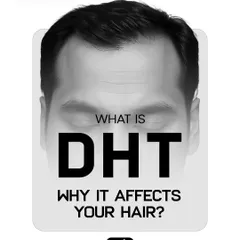
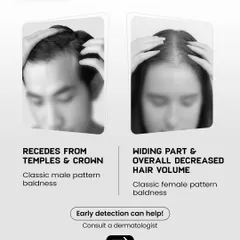
Understanding Your Hair Loss: Diagnostic Medical Care
 5
5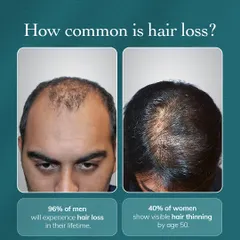
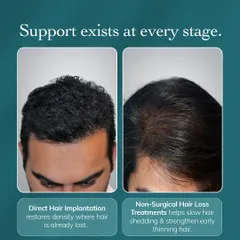

Understanding Hair Loss: Causes, Solutions, and Expert Care
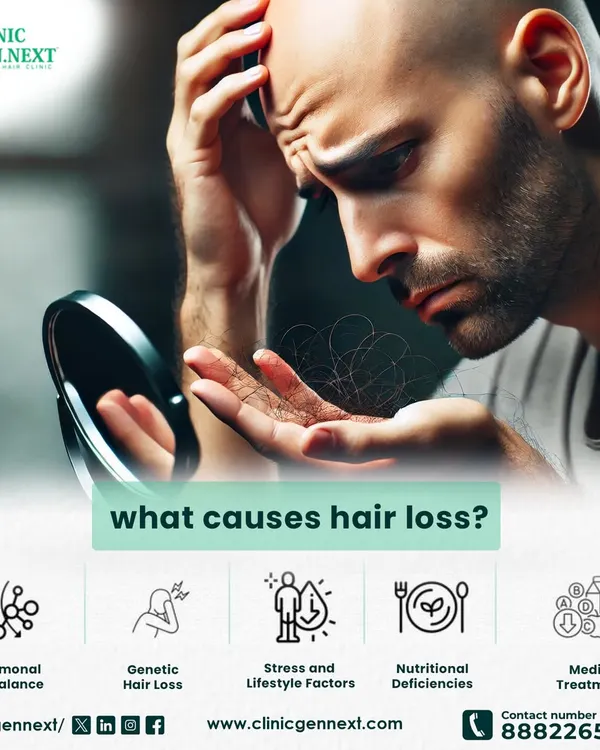 7
7


Understanding Hair Loss: Causes & Science-Backed Care
More from Non-Surgical Hair Loss Treatments by Kavish Chouhan
More services by Kavish Chouhan