Anti-Aging & Perimenopause Skin Care Treatments
Perimenopause brings hormonal changes that often show up as dryness, sudden breakouts, or thinning hair. I use a science-backed approach to help you manage these shifts and restore your skin’s natural balance.
Perimenopause brings hormonal shifts that show up on your skin. I explain five common signs, including surprise breakouts, extreme dryness, dullness, and thinning hair. I also show how we address these changes with personalized protocols to restore balance.
If you're in your 40s and experiencing mood swings, anxiety, dry skin, or thinning hair, it could be perimenopause. I explain how these hormonal changes impact your skin and mind, and assure you that these symptoms are real, common, and treatable.
PDRN is a science-backed regenerative therapy that goes beyond surface-level care. This post introduces the truth about PDRN, a treatment that helps your skin repair, hydrate, and rebuild strength from within by working at a cellular level.
Myth: PDRN is just a passing skincare trend. Truth: PDRN is a regenerative therapy supported by extensive research, designed to repair and rejuvenate the skin from within, making it a cornerstone of modern aesthetic dermatology.
Myth: PDRN is only for surface rejuvenation. Truth: PDRN promotes deep skin regeneration and strengthens the barrier from within. It is a science-driven treatment designed for true, long-term skin health, not just a temporary glow.
Myth: Is PDRN safe since it's made from fish DNA? Truth: Yes, the PDRN I use is highly purified, biocompatible, and clinically tested for safety. It is gentle enough for sensitive skin when administered by a trained professional.
In conclusion, PDRN bridges the gap between science and care. It helps your skin repair, renew, and rediscover its healthiest glow by rebuilding its natural balance and strength from within.
What is menopause? It's a phase of hormonal and physiological changes that have a tremendous impact on your skin, bones, weight, and mental health. In this video, I introduce the topic and explain why a dermatologist is a key part of managing this transition.
I discuss the four most common skin changes during the perimenopausal phase: dryness, pigmentation, brittleness of hair and nails, and early signs of aging. If you are experiencing these, please know that we are here to help.
I was honored to be part of the launch of the Menopause Clinic at Nanavati Max Hospital. This multidisciplinary team, including specialists in gynecology, orthopedics, and endocrinology, is dedicated to handling all aspects of menopause, including skin changes.
About Anti-Aging & Perimenopause Care
Many patients assume that sudden, adult-onset acne or persistent dryness is just a temporary phase, but during perimenopause, your hormonal levels—specifically estrogen—fluctuate significantly. This drop directly weakens your skin's natural moisture barrier. I often see patients who have spent months trying to layer heavy creams, only to find that their skin needs a professional, medical-grade barrier repair protocol rather than more shelf-bought products.
Aging is a biological process, but the perimenopausal transition between the ages of 35 and 55 often accelerates visible changes in skin structure and health. When estrogen levels dip, your skin experiences a decrease in collagen production, slower cell turnover, and compromised barrier function. This is not the time to guess which products might work; it is the time for a targeted, clinical strategy.
Why Perimenopause Affects Your Skin
During this phase, you might notice:
- Increased Sensitivity: Redness, itching, or reactive skin due to a weakened barrier.
- Hormonal Acne: Breakouts that appear in areas like the chin and jawline, even if you never had acne in your teens.
- Dullness: Slowed cell turnover leads to an accumulation of dead skin cells, making the complexion look tired and flat.
- Structural Changes: Loss of elasticity, fine lines, and thinning hair due to internal hormonal shifts.
My Clinical Approach
My goal is to stop the cycle of 'chaotic' product testing and focus on what your skin biology actually requires.
1. Barrier Repair: If your skin is reactive, the first step is always restoring the barrier. This involves non-irritating, pH-balanced treatments and avoiding harsh scrubs that strip the skin. 2. Advanced Rejuvenation: For visible signs of aging like wrinkles and loss of volume, we look at science-backed therapies. Treatments like PDRN (Polydeoxyribonucleotide) are excellent for deep skin regeneration, working at a cellular level to repair and hydrate. 3. Targeted Treatments: Whether it is laser toning for pigmentation or specific protocols for hormonal acne, every intervention is planned based on your specific skin type and the stage of your transition.
Managing your skin during this time is about consistency and scientific care. It is a journey, not a quick fix, and my team at DKS Clinique is here to ensure that you feel supported, heard, and confident throughout the process.
Similar work from other experts
Browse through Curated picks from other experts on mytribe

Professional Dermatological & Skincare Solutions
 5
5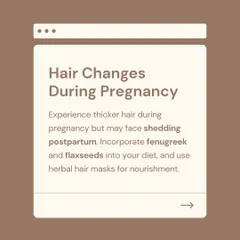
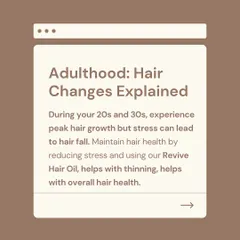
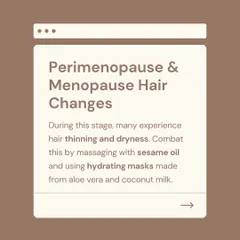
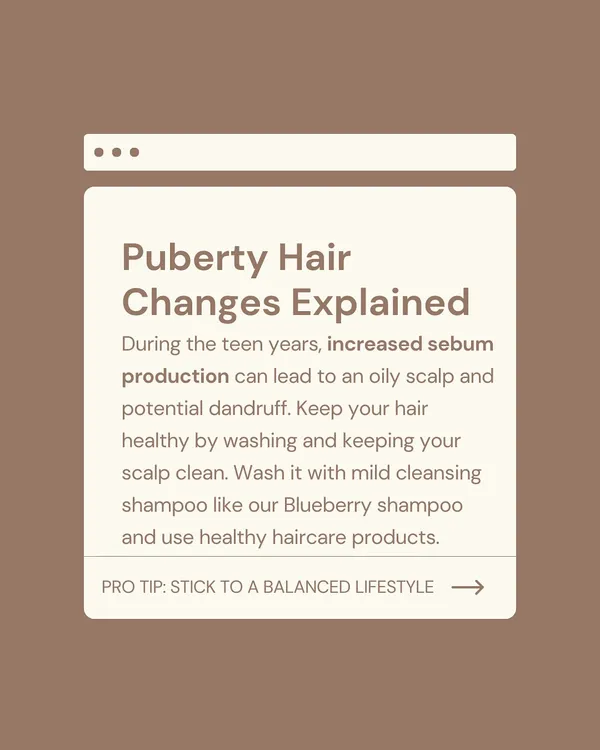
Hormones & Your Hair Journey: Holistic Care Solutions
 9
9


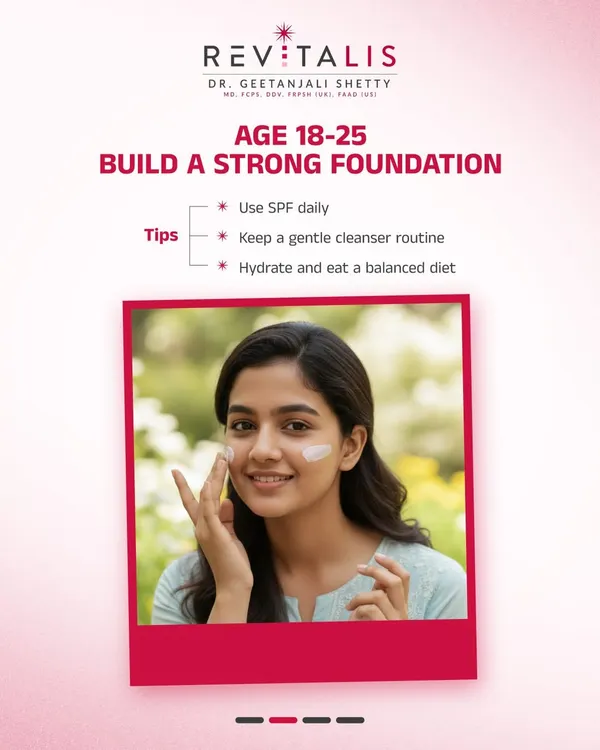
Skincare Through Life's Stages: Expert Advice for Every Age
 19
19
Skin Rejuvenation and Anti-Aging Treatments
Expert Dermatology and Aesthetic Skin Care
Featured Dermatological Insights and Clinical Expertise
More from Skin & Hair Condition Treatments by Kalpana Sarangi
More services by Kalpana Sarangi