Diagnosing Your Hair Loss: Science-Backed Answers
Stop guessing and start treating. Before recommending any procedure, I use digital trichoscopy and clinical analysis to pinpoint the exact root cause of your hair loss.
This infographic helps you understand the signs of Female Pattern Hair Loss. Key indicators include a widening central partition and diffuse thinning. It's a progressive condition, so early diagnosis is crucial to saving your hair density.
A hair transplant is not for everyone. I explain who is not a good candidate, such as those with only early thinning, a weak donor area, or certain active medical conditions. My goal is to give you the best aesthetic outcome, which sometimes means avoiding surgery.
Are you worried about the amount of hair you see in your comb? Losing 50 to 100 hairs per day is completely normal and part of the natural hair growth cycle. I explain when you should be concerned and when you can relax.
This image explains what cicatricial or scarring alopecia is. This condition permanently destroys hair roots, which means medicines alone cannot regrow the hair. This is why a proper diagnosis is critical to set the right treatment path.
Are hair transplant results permanent? I explain the science behind it. The transplanted hair is resistant to the DHT hormone but can still thin over time. I share how a good lifestyle and maintenance with medication like Minoxidil can help preserve your results for longer.
About Diagnosing Your Hair Loss
Most people jump straight to expensive treatments without knowing if they even need them. My first step is always a non-invasive digital trichoscopy session. We look at your scalp density, follicle diameter, and miniaturization levels to see if the issue is genetic, hormonal, or nutritional. If we can save your natural hair with medical management, that is always the path we take before suggesting any surgical intervention.
Why Diagnosis Matters
Internet trends are not a medical diagnosis. You might be worried about natural shedding or early-stage thinning, but treating the wrong condition is a waste of time and money. Some conditions, like Lichen Planopilaris (scarring alopecia), require immediate, specialized attention because they permanently destroy follicles. Other issues are purely nutritional or hormonal and can be reversed without ever touching a surgical tool.
My Diagnostic Process
When you visit my Vashi clinic, we don't start with a 'one-size-fits-all' plan.
- Detailed History: We discuss your hair loss timeline, family history, and lifestyle factors.
- Digital Trichoscopy: This is a non-invasive magnification scan. It allows me to see exactly what is happening at the scalp level—looking for signs of inflammation, miniaturization, or reduced density that the naked eye misses.
- Root Cause Analysis: If necessary, we rule out underlying triggers like PCOS, thyroid imbalances, or specific nutrient deficiencies.
Moving Forward
Once we have the data, we build a plan. This might mean medical management with FDA-approved topicals, nutritional counseling, or specialized therapies like PRP or GFC if you are a candidate. If you are not a candidate for a hair transplant, I will tell you upfront. My goal is to ensure you understand your hair health so you can make informed decisions based on science, not social media fads.
Similar work from other experts
Browse through Curated picks from other experts on mytribe
Why Professional Hair Loss Diagnosis Matters First
 15
15

A Science-Based Approach to Hair Restoration
 9
9
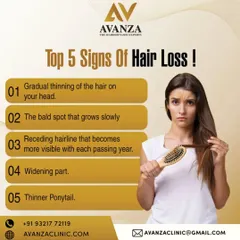

Identifying the Root Cause of Your Hair Loss
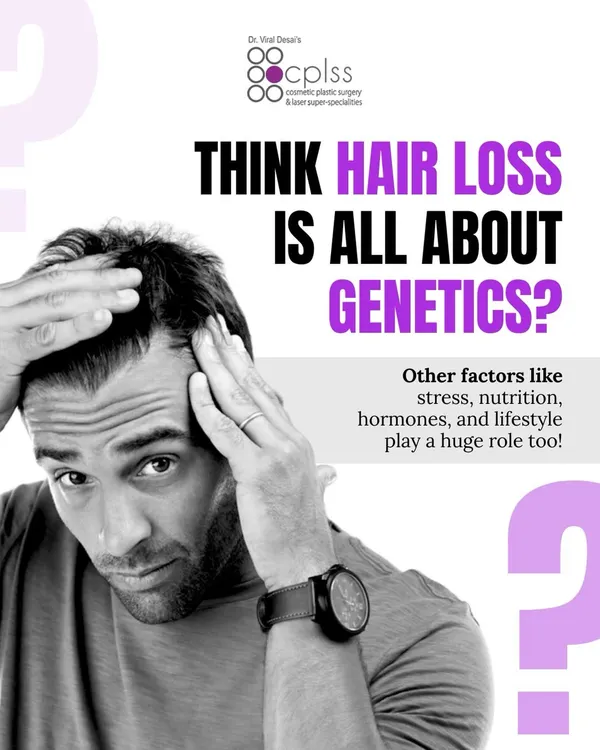 12
12
Understanding Hair Loss: A Diagnostic Approach
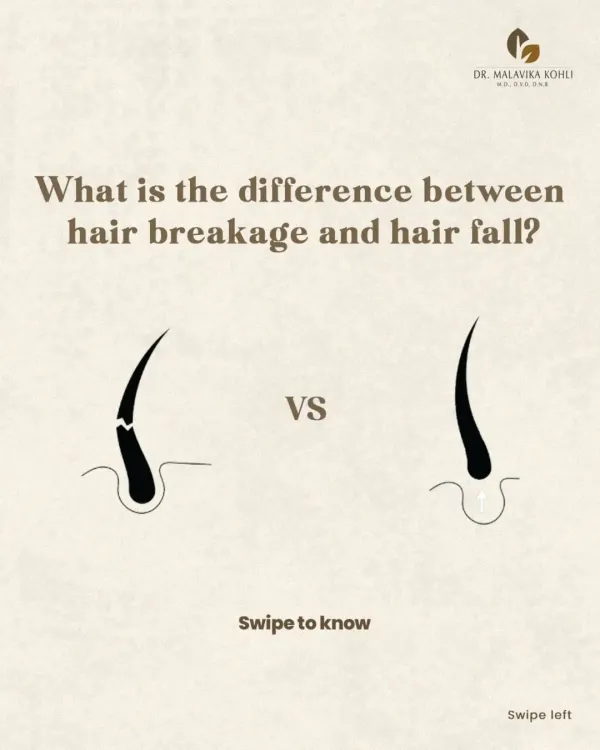 7
7
Effective Hair Loss Diagnosis and Clinical Treatment
 4
4
Understanding Your Hair Loss: Expert Insights and Treatments
More from Non-Surgical Hair Loss Treatment by Amit Kerure
More services by Amit Kerure