Training for High-Energy Breeds in Noida and Delhi
High-energy breeds don't need to be kept on a leash forever; they need a job. Let's channel that intensity into focus and obedience.
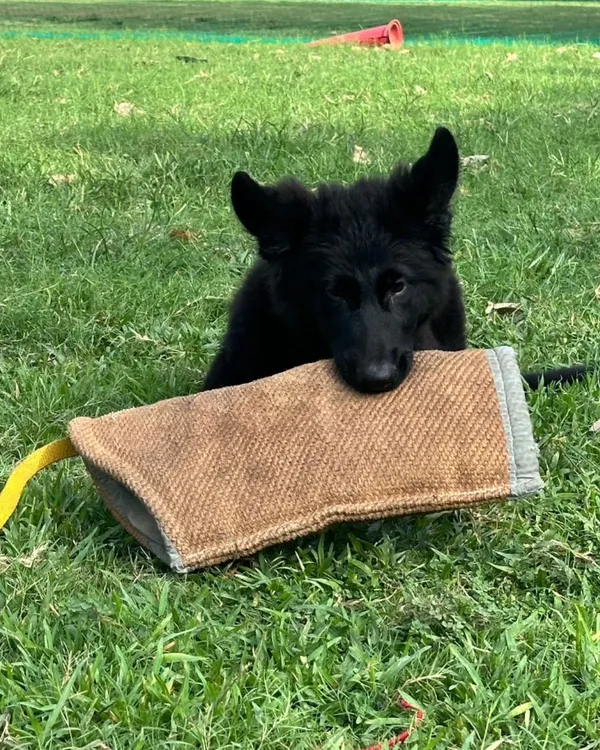
Just kidding... mostly! Working with a powerful German Shepherd is what I do for fun. Understanding and respecting their power is key to training them effectively and safely.
A ball-obsessed dog isn't a bad thing. It's a high drive that we can use as a powerful motivator in training. I teach you how to turn this obsession into a productive training tool.
For a Labrador Retriever, fetching is in their DNA. Instead of fighting it, we channel this inherent behavior into a structured game of retrieve and drop. A satisfied dog is a well-behaved dog.
A woman, a German Shepherd, and a successful training session. I am passionate about working with large, powerful breeds and helping their owners build a relationship based on leadership and mutual respect.
Another shot with the handsome Phantom. Notice the calm focus and happy expression. This is what a balanced training relationship looks like with a high-drive German Shepherd.
This is me with a Belgian Malinois, one of the highest-drive breeds out there. My advanced certification allows me to work with complex behaviors and working-line dogs, using their intelligence and energy for positive outcomes.
About Working with High-Energy Breeds
High-energy breeds aren't just 'naughty'; they are essentially bored engineers. If you have a German Shepherd, Malinois, or Labrador that is tearing up your home or pulling you down the street, it’s not because they can't learn. It's because they have drive that hasn't been given a purpose. My approach is simple: we don't suppress their energy, we channel it into productive tasks like fetching, tug, and impulse control. If you're tired of walking a dog that walks you, we need to talk.
Why Your High-Energy Dog Acts Out
Breeds like Malinois, German Shepherds, and Labradors were built to work. When they don't have a task, they invent their own—usually involving chewing your sofa, barking at the door, or turning your walk into a sprint. This isn't a behavior problem; it's a lifestyle mismatch. My training doesn't aim to make your dog a robot that sits still for hours. Instead, we use a balanced training philosophy to manage their needs.
The 'Channeling' Method
We use the things they are already obsessed with—a ball, a frisbee, or food—as the currency for good behavior.
- For the Retrievers: Labradors often struggle with 'fetch and drop.' We refine this into a structured game, teaching them that the fun only continues if they listen to your commands.
- For the Working Breeds: Malinois and GSDs need mental stimulation as much as physical activity. We incorporate scent games and engagement exercises that tire their brains faster than a two-hour run ever could.
Training Beyond the Home
Obedience shouldn't just exist in your living room. A dog that listens at home but forgets you exist in a park is only half-trained. We work on real-world proofing. This means training in elevators, busy streets, and parks to ensure your dog stays focused on you, regardless of the chaos in the environment. We tackle the leash pulling, the jumping, and the reactivity, turning those moments of stress into opportunities for engagement. If you are ready to stop managing your dog and start leading them, let’s get to work.
Similar work from other experts
Browse through Curated picks from other experts on mytribe
Advanced Obedience and Focus Training for Dogs
 24
24
Professional Dog Training for Every Breed
 7
7
Customized Training Programs for Every Breed
Expert Guard Dog and Protection Training in Lucknow
Behavior Shaping & Problem Solving for Your Dog
 16
16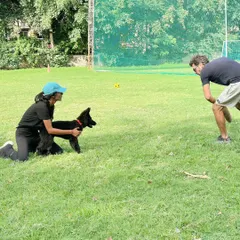

Working Dog Foundation Training & Puppy Development
More from Behavior Modification by Priyanka T
More services by Priyanka T