TNR Guide: How to Sterilize Community Cats in Bangalore
You see them every day—the neighborhood cats who rely on you for food and safety. Sterilizing them is the most effective way to keep your colony healthy and stable. We’re here to help you get it done safely.
Want to help sterilize your community cats? The first and most important step is to know your cats. Understanding their behavior and level of socialization will determine the best way to help them.
How to identify a socialized community cat: they often appear well-groomed, are seen regularly in the same area, and may be friendly or approachable. These cats are often the easiest to help.
How to identify an unsocialized or feral cat: they are typically reclusive, avoid human contact, are more active at night, and display anxious behavior. These cats require a more careful approach using humane traps.
How to identify an outdoor pet cat: they look confident and well-groomed, are comfortable in both indoor and outdoor spaces, and have a regular routine. It's important to confirm they have an owner before intervening.
How to approach socialized community cats: extend your hand slowly, let them sniff you, and use food as a lure to gain trust. Observe their body language for relaxed signals before attempting to pet them.
How to approach unsocialized feral cats: maintain a safe distance to avoid causing stress, use a humane trap with food to capture them safely, and minimize handling as much as possible.
How to approach outdoor pet cats: respect their space and let them approach you. Recognize their routine and interact during calm periods. Your goal is to confirm they have a home, not to trap them.
Once you know your cats, it's time to catch them for their neutering appointment. It's crucial to do it the right way to ensure the experience is as stress-free as possible for the animal.
Here's how to prepare for trapping: set up feeding stations a week in advance to get cats used to a specific spot. Schedule the surgery and get your equipment, like cages and traps, ready beforehand.
This guide shows different methods for catching cats. Friendly cats can often be guided into cages, semi-friendly cats can be lured with food, and feral cats require covered traps with strong-smelling bait.
About A Guide for Community Caregivers
Before you pick up a trap, spend a week observing your colony. You need to know their routine, which ones are friendly enough to be guided, and which are feral and require a covered trap. Knowing exactly who is who prevents panic and keeps the animal calm throughout the entire trapping process.
The TNR Process: Trap, Neuter, Return
Trap-Neuter-Return (TNR) is the only humane, scientific way to manage community cat populations. By breaking the breeding cycle, you reduce the number of homeless kittens and decrease competition for resources, leading to a quieter, healthier colony.
1. Identification and Preparation
Don't rush the first attempt. Observe the cats to understand their socialization levels.
- Socialized cats: They often approach you, are well-groomed, and have a routine. These can often be guided into a carrier with a little food.
- Feral cats: They are reclusive, nocturnal, and avoid human contact. These require a humane spring-loaded trap with strong-smelling bait like tuna or dried fish.
Set up a feeding station in the same spot for a week before you plan to trap. This builds trust and gets them used to the location.
2. The Trapping Day
Schedule your surgery at our Jayanagar centre first, then trap the cat the morning of or evening before.
- Keep it covered: Always have a bedsheet or towel ready to cover the trap immediately after the cat is caught. This reduces visual stimuli and keeps them calm.
- Stay safe: If you are trapping feral cats, minimize handling. Let the trap do the work.
3. Post-Procedure Care
Once returned, keep the cat in a quiet, safe space for recovery. Our protocol involves mandatory ear-tipping for community cats, which serves as a universal sign that the cat has already been sterilized. This prevents unnecessary re-trapping and surgical trauma later.
We provide the medical infrastructure, but you are the heart of this work. If you need help with equipment rental or booking a slot at our Jayanagar facility, reach out to us.
Similar work from other experts
Browse through Curated picks from other experts on mytribe
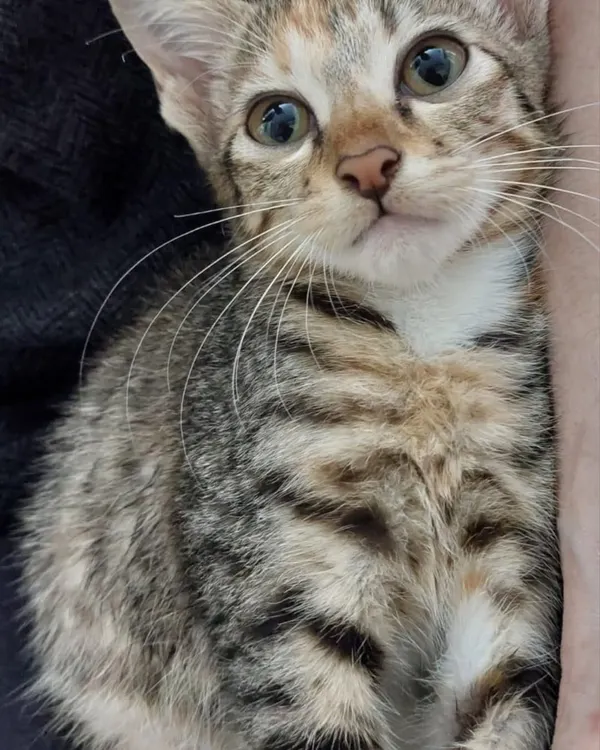
Spay and Neuter: Why it Matters for Bangalore’s Street Cats
 51
51
Adopt Rescued Kittens and Cats in Bengaluru
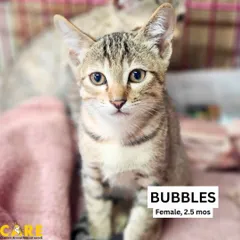
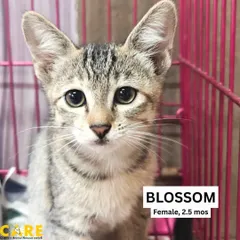
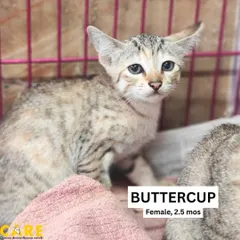
Adopt a Cat in Bangalore

Adopting Kittens in Bangalore: Meet Your New Companion


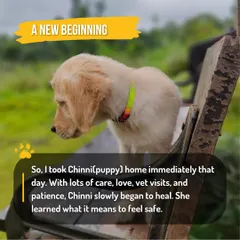
Our Community: Rescue Stories & Animal Advocacy
 7
7

Rescued Dogs and Cats for Adoption in Bangalore
Need help with another animal?
Search our services for emergency rescue, pet vet care, or large animal support.
More from Spay/Neuter & Animal Birth Control by Cupa