Managing Anemia in Pregnancy: Natural Iron Boosting Strategies
Half of all pregnant women in India face anemia, yet it is often misunderstood as just a number on a blood report. I help you address the root causes of iron deficiency to ensure you and your baby get the oxygen you need.
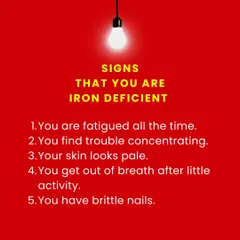
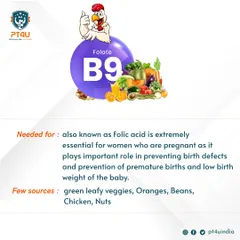
During pregnancy, your blood nourishes you, prepares your body for lactation, and is the lifeline for your baby's growth. Anemia, or low hemoglobin, disrupts this vital process. I explain the fundamentals of why maintaining healthy iron and folate levels is non-negotiable.
Anemia places stress on your body and can have significant effects on both you and your baby, from preterm labor and postpartum depression in mothers to low birth weight and poor development in babies. This chart clearly outlines the risks we work to prevent.
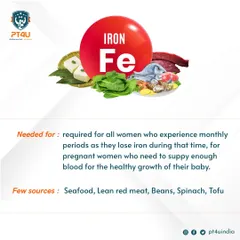
Simply eating more iron isn't always enough if your digestion is weak. My strategy involves four key pillars: optimizing digestion, eating iron-rich foods paired with Vitamin C sources, supplementing when necessary, and practicing breathing exercises to improve oxygenation. We focus on traditional Indian remedies like cooking in cast iron pots and eating soaked dates, amla, and jaggery.
While supplements can be necessary, high-dose iron can sometimes cause digestive issues. I advise you on how to manage these side effects and always recommend discussing them with your doctor. We also incorporate pranayama and diaphragmatic breathing to support oxygen flow throughout your body.
About Boosting Iron & Preventing Anemia
Simply adding iron-rich foods to your diet is often not enough if your digestion is struggling. To actually raise your hemoglobin, you need to master the pairing technique, such as squeezing lemon or amla over your iron source to trigger absorption. I focus on these mechanical adjustments because fixing your iron levels is about how you process food, not just what is on your plate.
Anemia during pregnancy is not just about fatigue; it is a physiological signal that your body needs specific support. When we address low hemoglobin, we are really looking at your body's ability to digest, absorb, and utilize nutrients. My approach to reversing anemia is built on four pillars:
1. Optimizing Digestion
If your digestion is weak, even the best iron supplements will not work. We start by calming the system. Eating with a calm mind and properly chewing your food allows your body to actually process nutrients. Using cast iron cookware is a traditional, effective way to naturally increase the iron content in your daily meals.
2. Strategic Pairing
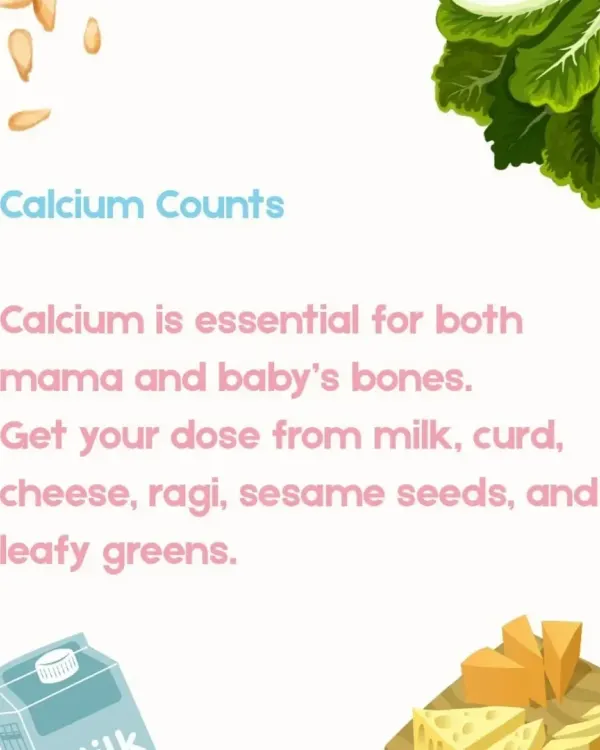
The concept of pairing is critical. Non-heme iron, which comes from plant sources like spinach, beetroot, and lentils, is harder to absorb. When you consume these, you must pair them with Vitamin C sources like amla, citrus, or bell peppers to facilitate absorption. Conversely, we look at timing: avoiding tea, coffee, or calcium-rich foods immediately alongside your iron-rich meals, as these block absorption.
3. Smart Supplementation
High-dose iron supplements are notorious for causing constipation and nausea. If you are struggling with these side effects, we look at how to mitigate them through dietary adjustments or by discussing alternative protocols with your doctor. You should never feel forced to suffer through side effects when there are ways to manage them.
4. Supporting Oxygenation
Anemia causes relative hypoxia, or reduced oxygen flow. Beyond diet, we use pranayama and diaphragmatic breathing exercises to actively improve oxygen circulation throughout your body and to your baby. This helps alleviate symptoms like dizziness and shortness of breath while your iron levels recover.
Similar work from other experts
Browse through Curated picks from other experts on mytribe
 9
9
Nutrition for a Healthy Pregnancy
 7
7

Pregnancy Nutrition Plans Tailored to Your Trimester


Pregnancy Nutrition & Diet Myths: Expert Guidance
Nutritional Guidance for Pregnancy and Postpartum
Personalised Nutrition for Every Stage of Motherhood
 6
6
Essential Nutrients for Women's Fitness
More from Prenatal Nutrition by Pujitha Shetty
More services by Pujitha Shetty