Piano Technique & Finger Dexterity Classes
Build a rock-solid foundation with Hanon drills, structured finger exercises, and hand-independency practice designed to prepare young pianists for technical mastery.
Hanon Exercise Number 1 is a cornerstone of our piano lessons. I guide the student on which octave to play and how to execute the descending pattern.
The birthday girl practicing her Hanon Exercise Number 1. Consistent practice of these drills is essential for building finger strength and independence.
This hand independency exercise trains the student to play different rhythms with each hand. Here, she's practicing playing on the C key.
A student practices a hand independency exercise. This drill is crucial for developing the coordination needed to play more complex piano pieces.
I'm demonstrating a hand independency exercise where the left hand plays quarter notes and the right hand plays eighth notes. This is a key skill for pianists.
A student tackles a challenging hand independency exercise. We start slowly to ensure she understands the rhythm before building up speed.
A young student, Aarya, practices her five finger exercise. Her smile at the end is the best reward.
Mehrab, one of my young students, demonstrates a five finger exercise. We start with the right hand, then the left, to build coordination.
A student deeply focused during her piano session. This level of concentration is what we aim to cultivate in all our learners.
About Piano Technique & Finger Dexterity
Developing true piano dexterity isn't about playing fast from the start; it is about building coordination between your left and right hands through repetitive, controlled Hanon exercises. We don't skip steps here, because the clarity of your scales and the independence of your fingers are what separate a casual player from a confident performer.
Why Technique Matters
Many students struggle not because they lack talent, but because their fundamentals are shaky. At Brilliance School of Music, we treat technique as the engine of musical expression. Whether you are a beginner in our Nirvana Country studio or an advanced learner in Safdarjung Enclave, the process remains the same: we slow down to build strength.
The Hanon & Independence Routine
Finger strength is developed through disciplined repetition. We utilize the Hanon Exercise No. 1 as a cornerstone for building finger speed and power. Alongside this, we integrate complex hand-independency drills that force the brain to treat the left and right hands as distinct tools. You will often hear me say, 'One, two, three, start—slower!' because building that mental map of the keyboard is more important than rushing through a piece.
Curriculum Focus
- Hanon Drills: Targeted finger exercises for consistent strength.
- Hand-Independency: Rhythmic separation between hands to prepare for advanced classical repertoire.
- Notation Mastery: Reading Western sheet music and understanding note values from day one.
- Trinity Exam Readiness: Technical work specifically designed to meet Grade level requirements.
Our Approach in NCR
Music is a long-term discipline. By maintaining a focus on correct posture and disciplined practice, we help students avoid common pitfalls like wrist tension or uneven phrasing. We provide consistent progress tracking with weekly video snippets sent to parents, ensuring that the work done during our sessions continues at home. Theek hai? (Alright?) Let's get to work.
Similar work from other experts
Browse through Curated picks from other experts on mytribe
 24
24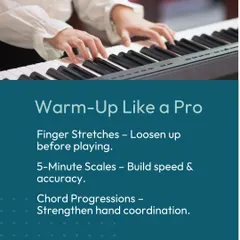
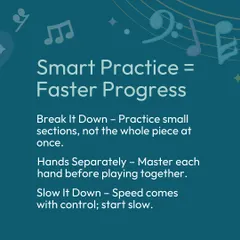
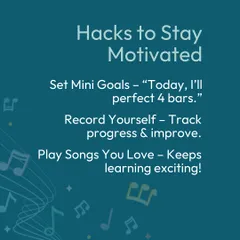
Your First Lessons: Simple Piano Tips & Techniques
 13
13
Trinity College London Piano Exam Preparation

Piano & Keyboard Classes in Bangalore
 4
4Trinity College London Music Exam Coaching
Piano & Keyboard Lessons for Every Level
Piano Lessons for Kids: Early Learning & Performance
More from Piano Lessons for Kids by Brilliance School of Music
More services by Brilliance School of Music