Quick Pet Facts and Practical Care Tips
Small details make a big difference in how we care for our pets. From understanding their vision to managing stress, here are some insights to help you be the best pet parent.
Did you know a dog's nose print is as unique as a human fingerprint? Every wrinkle, ridge, and pattern makes their nose one-of-a-kind, just like them.
Ever wondered how dogs see colors? They don't see the full rainbow like we do. Their world is mostly shades of yellow, blue, and grey.
To us, this toy is bright red. But to a dog, it appears as a muted, brownish-grey color. This is because dogs lack red-green cone receptors in their eyes.
We see a vibrant green leaf, but a dog sees it in a duller, greyish-yellow tone. Understanding their vision helps us choose toys they can actually see well.
A bright orange pumpkin looks more like a tan or yellowish-brown color to a dog. Their color spectrum is much more limited than ours.
Yellow is one of the colors dogs can see relatively well, though it appears as a slightly different shade to them compared to our vision.
Blue is the other primary color in a dog's vision. This is why blue and yellow toys are often easiest for them to spot, especially in green grass.
Feeling stressed? Your pup probably is too. Research shows that dogs can pick up on our stress through a phenomenon called "emotional contagion." A good reminder to manage our own stress for their sake.
If your dog is stressed or anxious, try playing classical music. Studies have shown it has a calming effect on dogs. It's a safe and simple trick that really works.
Here's a heartwarming fact: a study shows that seniors with dogs are 40% less likely to develop dementia. The activity and social interaction they bring are powerful medicine.
About Fun Facts & Tidbits
Ever wonder why your dog misses that red ball in the grass, or why they seem to mirror your own stress? Understanding how their senses and emotions work changes the way we play and bond with them. These aren't just fun facts; they are practical insights that help you create a calmer, more intuitive home environment.
Seeing the World Through Their Eyes
Dogs don't see the world in black and white, but they certainly don't see it like we do. They lack red-green cone receptors, which means reds and greens look like muted shades of yellow, blue, and grey. If you want to make fetch more fun, skip the red toys. Use bright blue or yellow ones instead—they are much easier for your dog to track in the green grass.
The Emotional Connection
Our pets are intuitive. If you are stressed, your pup likely feels it too through a phenomenon called emotional contagion. When you are having a rough day, your dog might need a little extra love or calming background music. Managing your own stress is actually a key part of your pet's wellness routine.
Simple, Natural Solutions
We are big fans of keeping things clean and simple. Whether it is using a DIY spray of apple cider vinegar and essential oils for flea protection or understanding why your senior dog’s activity levels are changing, small adjustments can have a massive impact on their long-term health. Knowledge is the first step toward getting them off processed kibble and onto real, human-grade food.
Similar work from other experts
Browse through Curated picks from other experts on mytribe
 4
4


Practical Pet Care Tips and Expert Advice


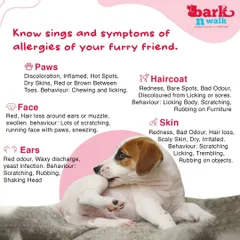
Practical Pet Parenting Tips for Every Doggo



Pet Parent University: Essential Tips and Facts
Understanding Your Dog: Practical Tips & Behavioral Facts
Decoding Your Pet: Behavior and Health Cues
 32
32


Pet Health, Wellness & Care Tips
More from Pet Nutrition & Wellness Guidance by Blep
More services by Blep