The Science of Sound & Vision
Building a home theater is about physics, not just buying expensive gear. Here is how we balance acoustics, light, and calibration to create a truly immersive cinematic experience.
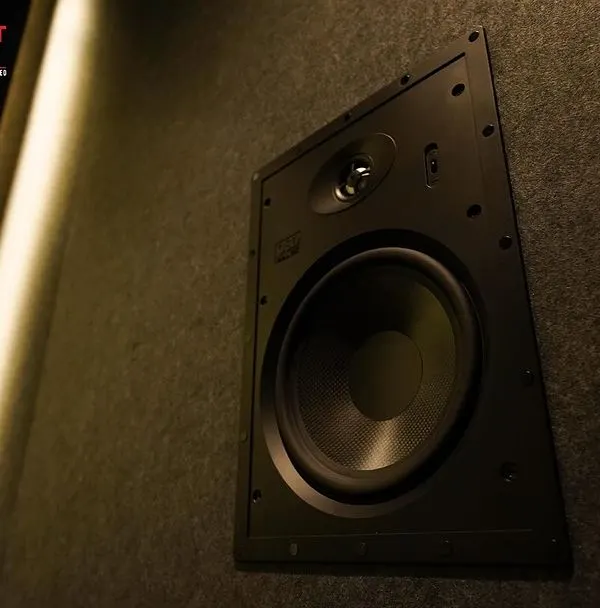
Why do high-end speakers weigh so much? Brands like Magico use thick aluminum and internal bracing to create a completely silent, vibration-free cabinet. The enclosure's job is to disappear, allowing the drivers to produce pure, uncolored sound so you feel the dynamics without the cabinet interfering.
Building a dedicated cinema room involves several essential components. In this video, I walk you through the eight key elements, from the AV receiver which is the heart of the system, to speaker configurations like 5.1.2, projectors, screens, and the most critical part: acoustic treatment.
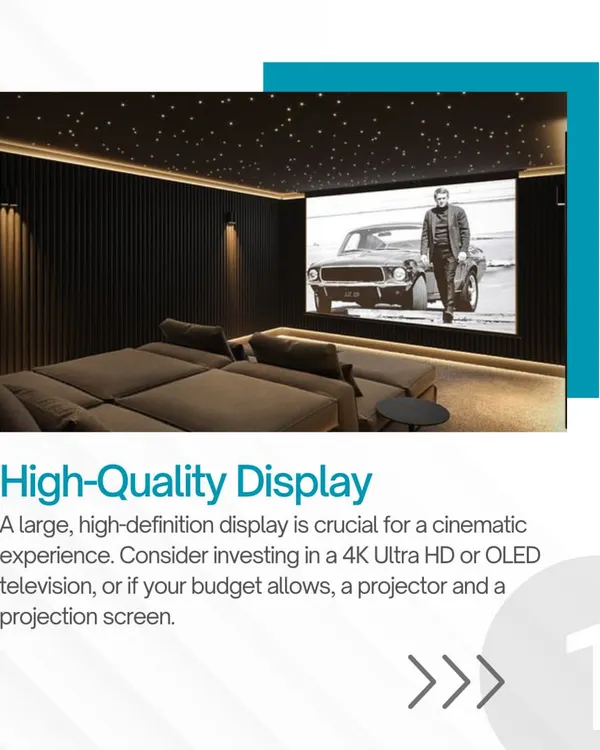
Ambient light is the enemy of a great picture. It washes out colors and reduces contrast. For a dedicated home theater, controlling light from windows and doors is crucial. If you can't manage ambient light, a high-lumen video projector becomes essential to maintain image quality.
What if you don't have space for traditional front speakers? Ceiling LCR (Left, Center, Right) speakers are an innovative solution from brands like Definitive Technology and Focal. They are mounted in the ceiling but angled towards the listener, providing a clean look without compromising on an immersive cinematic soundstage.
About The Science of Sound & Vision
When you invest in high-end speakers, you are paying for the cabinet as much as the drivers inside. A poorly built cabinet vibrates and adds its own noise, which muddies the sound. We prioritize heavy, braced enclosures because they stay silent, allowing the drivers to reproduce clean dynamics without the cabinet interfering with your movie experience.
It Starts with the Room
Most people think a home theater is just a TV and some speakers. In reality, the room is your first speaker. If you have hard walls, glass windows, or tile floors, sound will bounce around, creating echoes that destroy dialogue clarity. We treat the room first. This means using acoustic panels, bass traps, and heavy carpeting to control reflection. You do not need a million-dollar setup if your room acoustics are working against you.
Controlling Your Light
Light is the enemy of projection. If you have ambient light coming in from windows or reflected off white walls, your black levels will look grey. For a dedicated cinema, we plan the lighting layout before we even hang a screen. If you cannot block out the outside light, a standard projector will fail. In those cases, we look at high-lumen solutions or specialized screens that reject ambient light. It is about working with the physics of your space.
The Calibration Difference
Hi-Fi product toh koi bhi bech sakta hai (anyone can sell Hi-Fi products). But a system is only as good as its calibration. We spend hours using a calibrated microphone to tune your AVR, set the crossover points for your subwoofer, and time-align the speakers. This ensures the sound is seamless as it moves across the room. A ₹2 lakh speaker might offer a 10 percent improvement, but a properly calibrated setup gives you a 50 percent better experience. We focus on that 50 percent.
Similar work from other experts
Browse through Curated picks from other experts on mytribe
 28
28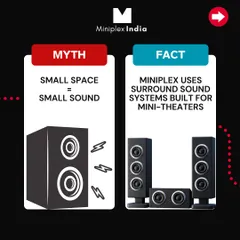

The Miniplex Method: How We Build Private Cinemas
 5
5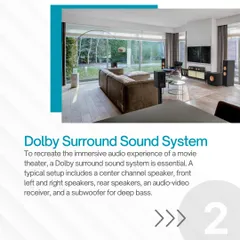

The Essential Components of a Home Theater System
 10
10
Build Your Own Immersive Home Cinema
 26
26
The Technical Details: Audio & Acoustics
 7
7
Custom Home Cinema Installations

Custom Home Cinemas Engineered with Precision
More from Home Cinema & Media Room Design & Installation by Audio Visual Kart
More services by Audio Visual Kart