The Science of Great Sound: Expert Home Audio Design
Expensive gear is just furniture until it is calibrated properly. Here is the science behind why speakers sound muddy in some rooms and magical in others.
Ever wondered what makes high-end speakers sound so detailed? In this video, I explain the technology behind lightning-fast AMT and Ribbon tweeters. Understanding this is key to appreciating why the right equipment, paired correctly, can reveal layers in your favorite songs you've never heard before.
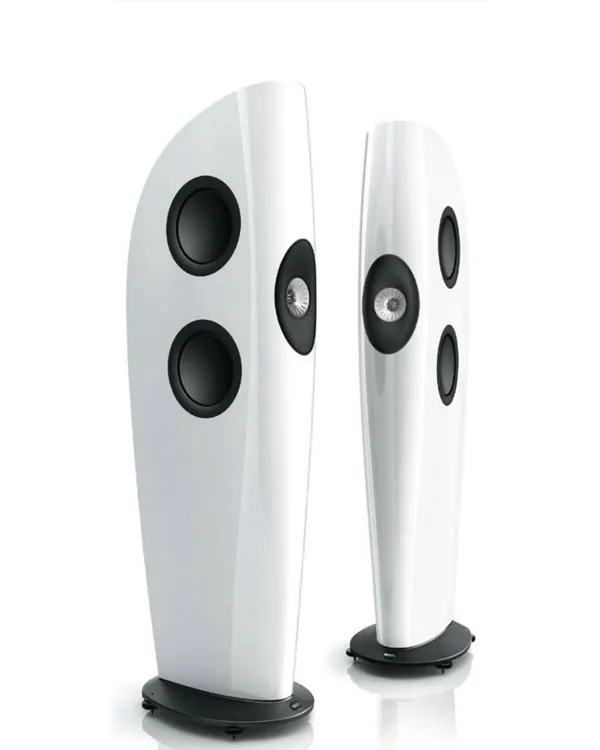
A speaker's cabinet should be silent; its only job is to let the drivers do their work without adding any coloration. This video explains why high-end brands use materials like thick aluminum and internal bracing. A non-resonant cabinet is the foundation of pure, unshakable sound.
Did you know speaker height is critical for good sound? This tip explains that tweeters, the small drivers responsible for high frequencies, should be positioned at ear level. This ensures you get a clear and accurate soundstage right where you are sitting.
Want more bass without touching the equalizer? This quick tip explains a basic acoustic principle: placing your speakers closer to a wall or in a corner will naturally amplify low frequencies. However, this needs to be done carefully to avoid boomy, uncontrolled bass.
Speaker placement is a science of managing reflections. This video explains the rule of placing speakers away from walls to delay sound reflections, which helps create a more precise and immersive spatial image. The ideal distance depends on your room and listening position.
Understanding speaker impedance is crucial for matching your speakers to your amplifier. This quick guide explains that most speakers have an impedance between 4 and 8 ohms. Choosing a speaker in this range ensures it can be safely and effectively powered by most home audio amplifiers.
About The Science of Great Sound
People often ask me why their expensive speakers sound muddy. It is rarely the speaker's fault. Most of the time, the issue is physical: the tweeters are not at ear level, the cabinet is resonating, or the room is causing sound reflections that kill the clarity. I spend hours on calibration because a perfectly placed entry-level speaker will always outperform an expensive one that has been thrown into a corner. When you build a system with me, we start with your room's physics, not the price tag.
Why Specs Don't Tell the Whole Story
When you browse the market, you see watts, frequency response, and impedance ratings. Those are just numbers on a box. True high-fidelity audio is about the interplay between your room acoustics and the gear.
The Anatomy of Great Sound
I focus on three non-negotiables when setting up a space:
- The Cabinet: A speaker cabinet should be 'dead' or silent. If you tap the side of a speaker and hear a hollow thud, that cabinet is colouring your music. I prefer designs that use dense bracing and materials like aluminium or heavy MDF because they let the drivers do the work without vibrating.
- The Tweeter's Speed: In high-end setups, I look for 'fast' tweeters like Ribbons or AMT drivers. They move air faster than standard domes, revealing micro-details in music—the breath of a vocalist or the shimmer of a cymbal—that you would otherwise miss. However, these are fragile and unforgiving; they demand perfect placement.
- Room Interaction: Bass is a physical experience. Placing speakers closer to a wall can artificially boost low frequencies, but do it wrong and you get a boomy, uncontrolled mess.
The Calibration Difference
Buying the gear is the easy part. The real work happens during calibration. Whether we are using Dirac Live for digital correction or adjusting toe-in angles for the perfect stereo image, the goal is to make the equipment disappear. You shouldn't hear the speakers; you should hear the artist. If you are struggling with a system that just does not feel 'right,' it is likely a phase or reflection issue that a bit of science can solve.
Similar work from other experts
Browse through Curated picks from other experts on mytribe

High-Fidelity Audio Systems for Immersive Home Cinema
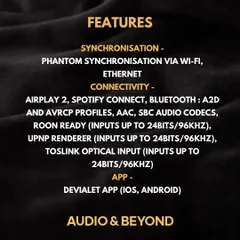

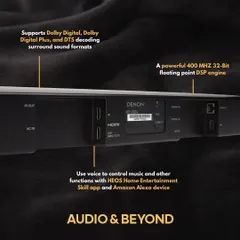
Immersive High-Fidelity Sound Systems for Your Home
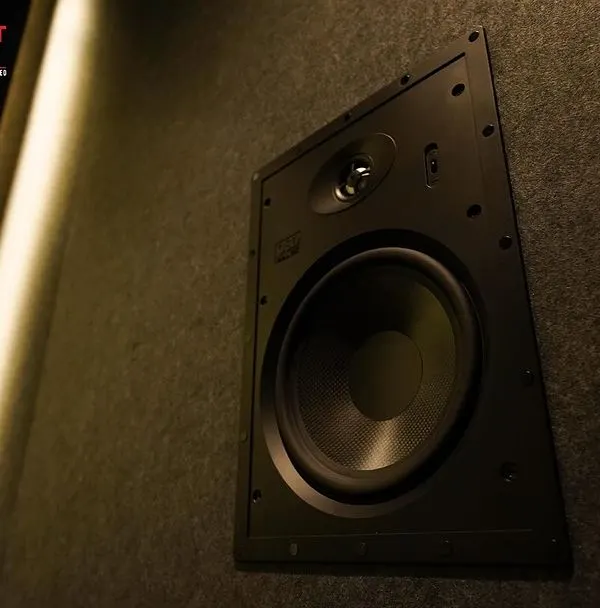 26
26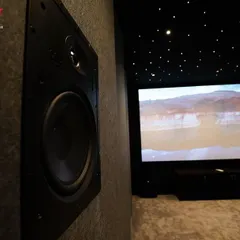
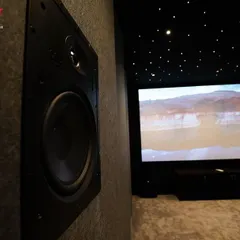
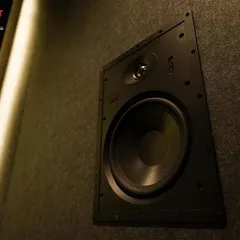
The Technical Details: Audio & Acoustics


High-Fidelity Audio Systems for Every Room
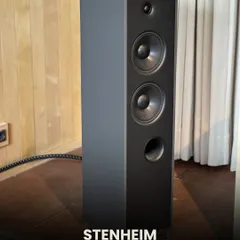
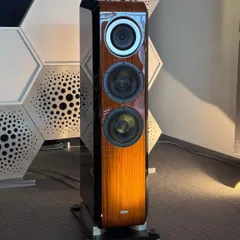
High-Fidelity Stereo Setups for Pure Listening
 6
6
High-Fidelity Audio Components for Bengaluru Homes
More from Hi-Fi & 2-Channel Audio System Installation by Audio Visual Kart
More services by Audio Visual Kart