Pro Tips: Avoid Common Home Audio Setup Mistakes
Buying the right gear is only half the battle. If your wiring, placement, or power supply is off, you won't hear what your system is truly capable of. Here are the mistakes I see most often.
This is my core philosophy. Don't buy equipment just because it's trendy or your friend has it. A strategic purchase based on your room, your listening habits, and proper system matching will always deliver a better experience, and I am here to guide you through that process.
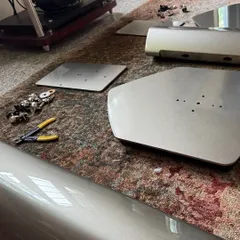
The final step to perfect sound is calibration, and it's a science. Here, I demonstrate how to assemble the Audyssey microphone stand, a crucial tool I use for room correction. This meticulous process ensures your system is perfectly tuned to your specific listening environment, which is a service that makes all the difference.
A critical planning tip: never lay wires or cables without a conduit, and don't use one that's too small. If a wire fails in the future, a proper conduit will save you from having to break walls or floors just to replace it. This is the kind of foresight I bring to every installation.
Always plan for the future. Adding spare wires and cables during the initial installation is a small cost upfront that provides immense flexibility later. This allows for easy upgrades or system changes without major rework.
This seems obvious, but it's a common oversight. Ensure you have an adequate number of power sockets near your main console unit. A high-fidelity system has many components, and relying on extension cords can compromise both safety and performance.
One of the most important rules of system building is power matching. Never pair an overpowered speaker with an underpowered AV receiver, or vice versa. This mismatch can lead to poor performance and even damage your expensive equipment.
Keep your speaker wire runs as short as is practical. Unnecessarily long cables can degrade the audio signal, resulting in a loss of detail and dynamics. Proper planning helps optimize cable lengths for the best possible sound quality.
A simple but vital rule for protecting your gear: never plug or unplug HDMI or other input cables while the system is powered on. This can cause electrical shorts that may permanently damage the sensitive electronics inside your components.
Treat your equipment with care. Avoid powering off your system directly from the main switch too frequently. Using the proper standby mode and shutdown sequence helps protect the internal components and extend the life of your investment.
How long do speakers last? A quality pair can last for decades if maintained correctly. This video explains that speakers are among the most durable audio components, making them a long-term investment in your enjoyment of music.
About Pro Tips: Avoid Common Mistakes
Most people spend their entire budget on high-end speakers but ignore the foundation of their system. For example, if you don't install the right size conduit during your renovation, you are stuck if a cable fails later—you will literally have to break your walls to fix a simple wire. These tiny planning details are exactly what make or break your long-term audio experience.
Look, I have been building these systems since 2002, and I have seen too many people ruin a great setup with simple errors. Sound is a physical experience, not just numbers on a spec sheet. Here are the things you need to watch out for:
The Power Matching Trap
Don't buy a massive tower speaker and pair it with a tiny amplifier, or vice versa. It is like putting a bicycle engine in a sports car. You won't get the performance, and you risk damaging your equipment. Always check that your amp can handle the power needs of your speakers.
The Cable Length Rule
Keep your speaker wire runs as short as possible. I see setups where people run long, thin cables across the entire room. This degrades the signal, leading to a loss of detail and bass. Plan your console location carefully to keep runs clean and short.
Power Sockets & Safety
Never rely on extension cords for your main console. A high-fidelity system needs stable power. Ensure you have dedicated sockets near your main unit to avoid interference and safety hazards. And please, never unplug your HDMI or power cables while the system is running. It sounds basic, but electrical shorts happen faster than you think.
Future-Proofing Your Room
Always add spare wires when you are doing your initial wiring. It costs almost nothing upfront, but it gives you huge flexibility to upgrade or add components later without tearing up your flooring or walls.
Remember, calibration is not a chore—it is where the magic happens. Whether you are using Audyssey or Dirac Live, take the time to run it properly. It is the difference between hearing a 'loud' sound and feeling the 'real' sound.
Similar work from other experts
Browse through Curated picks from other experts on mytribe
 27
27

Your Home Theater Questions, Answered

Professional AV Installation & Technical Setup Services
Smart Equipment Cooling for Home Theaters
 11
11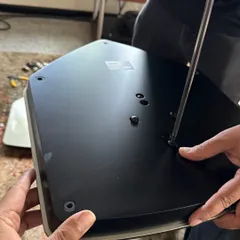
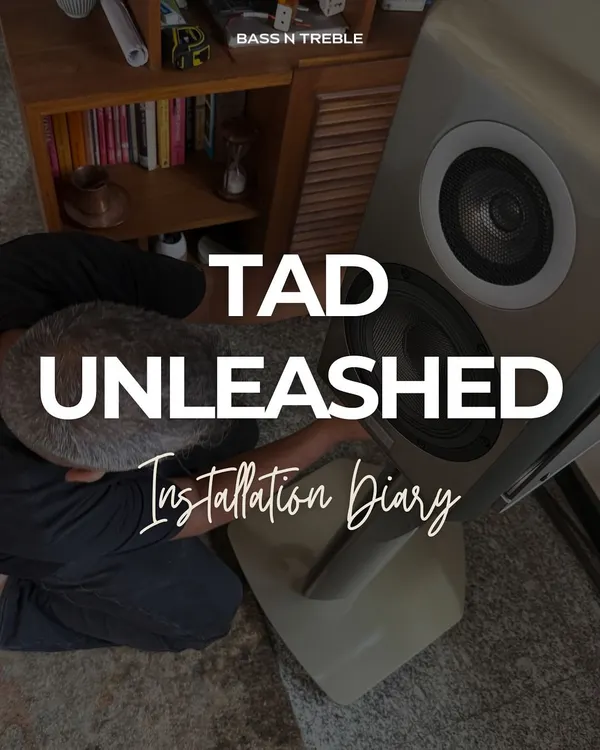
Our Craft: The Installation Journey
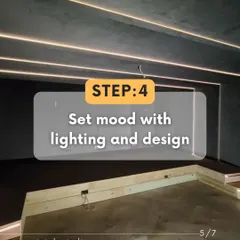
Our Installation Process: How We Bring Sound to Your Home
 22
22
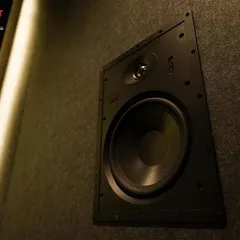
Professional Home Cinema Audio and Video Gear
More from Hi-Fi & 2-Channel Audio System Installation by Audio Visual Kart
More services by Audio Visual Kart