Making Yoga Accessible with Props
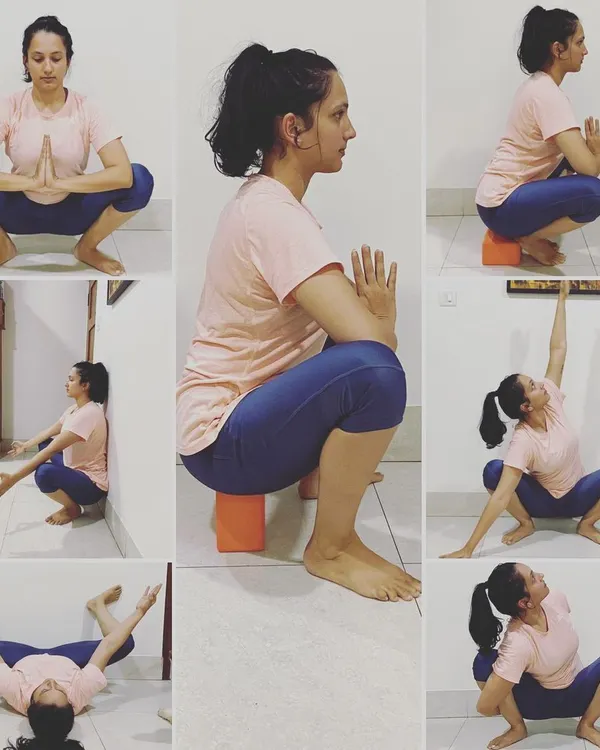
Yoga shouldn't hurt, and it definitely shouldn't feel impossible. If you have been avoiding the mat because you feel stiff or worried about your limits, props like chairs, blocks, and straps are the bridge you need. They help you find safety, stability, and depth in every single pose.
You don't need a yoga studio to practice effectively. I show how a simple office chair can be used as a prop to support your body in various poses, helping improve alignment, deepen stretches safely, and make yoga accessible to everyone, regardless of flexibility.
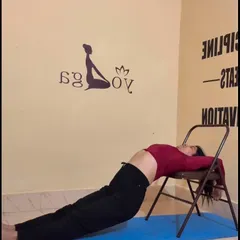
The Wheel Pose, or Urdhva Dhanurasana, can seem challenging. Here, I break down how to use a chair for support to open the shoulders and lift the spine, making this expansive backbend more accessible and effective.
If you struggle with shallow breathing, this supported heart opening pose can help. I demonstrate how to use two yoga blocks to expand your lung capacity, maximize diaphragm movement, and feel more spacious and connected.
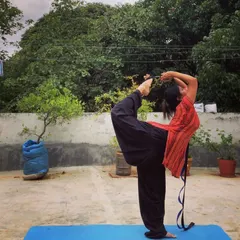
Props are wonderful tools for unlocking flexibility safely. This video shows how to use a chair and a strap to get a deeper hamstring stretch, helping you work towards more challenging poses with proper alignment and support.
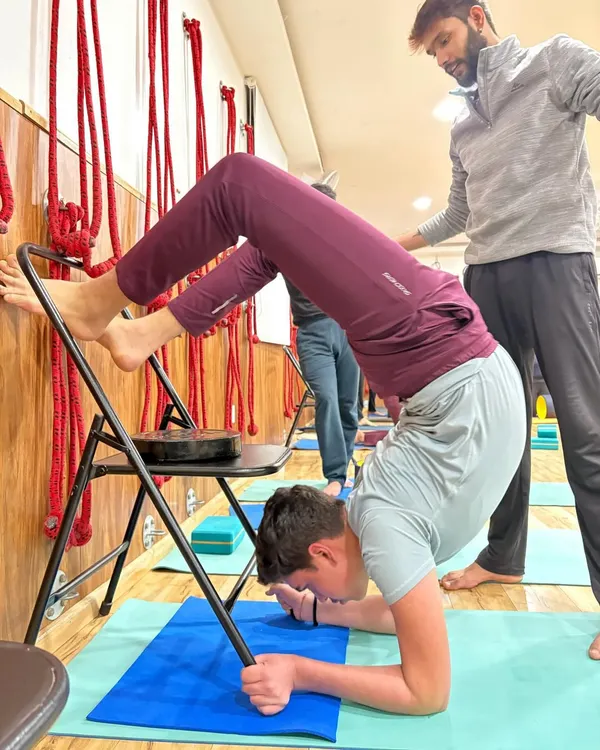
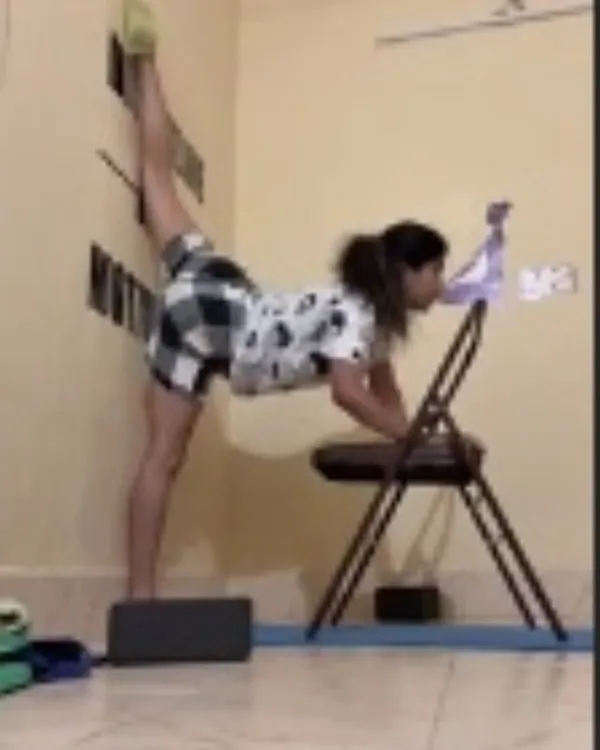
A yoga class can introduce you to new poses and variations. Here, a student uses a chair for a supported backbend, demonstrating how props allow you to explore and expand your practice safely.
About Making Yoga Accessible with Props
Most people struggle with poses like the Wheel or Pigeon because they force the movement before their muscles are actually ready to release. When I introduce a chair or blocks, we aren't bypassing the work. We are giving your nervous system the stability it needs to safely open up. If you have been avoiding yoga because you feel too stiff or have past injuries, these props are the difference between fighting your body and actually letting it learn.
Why Props Are Essential
Many students come to me thinking that using a strap or a chair is 'cheating' or for beginners only. That couldn't be further from the truth. In the Iyengar tradition, props are tools to achieve proper alignment. They allow you to hold a pose for longer, which is where the real physiological changes happen. You cannot lengthen a muscle if your body is in a state of panic or gripping in pain.
How We Use Props
- The Chair: This is my favorite tool for desk-bound professionals in Mumbai. We use it for supported backbends like Urdhva Dhanurasana (Wheel Pose) to lift the spine and open the chest without straining your lower back. It is also incredible for Pigeon Pose, helping you release deep hip tension without crushing your knees.
- Blocks: When you cannot reach the floor, the floor must come to you. Placing blocks under your hands in forward folds prevents rounded spines and shoulder strain. We also use them for supported heart-opening sequences to expand lung capacity.
- Straps: Think of a strap as an extension of your arm. It helps you maintain a straight spine while stretching your hamstrings, ensuring you don't compromise your posture just to touch your toes.
My Approach to Accessibility
I design my sessions to meet you where you are today. Whether we are doing group classes in Pune or corporate workshops in Mumbai, the goal remains the same: sustainable practice. If you have specific physical constraints, please let me know when we connect. I will show you exactly which prop modifications will make the practice feel like a relief rather than a chore.
Similar work from other experts
Browse through Curated picks from other experts on mytribe
Yoga with Props: Making Poses Accessible and Safe
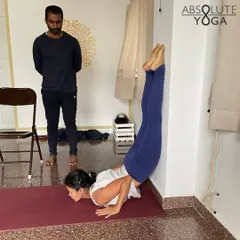
Yoga with Props: Accessible Practice for Every Body
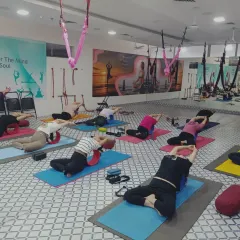
Accessible Yoga: Practice with Props and Alignment
 41
41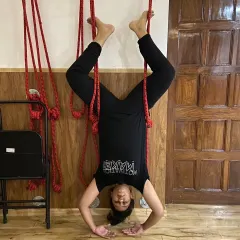
Prop-Assisted Yoga Classes for All Abilities
 4
4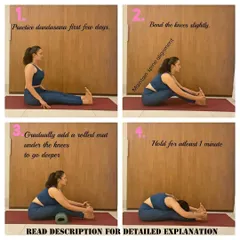
Yoga for Every Body: Props & Modifications
 22
22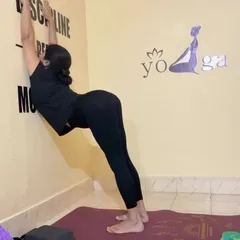
Master Difficult Yoga Poses with Essential Props
More from Corporate Wellness Programs by Asan Yoga
More services by Asan Yoga