Skincare Science and Expert At-Home Routines
Effective skincare is not about chasing trends but understanding the biological needs of your skin. I break down the science behind actives and daily habits, guiding you toward routines that actually work for our Indian climate.
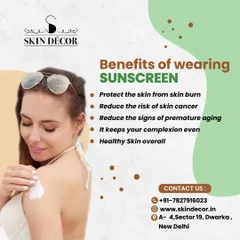
There is much confusion surrounding chemical sunscreens. I clarify the facts about ingredients like oxybenzone and explain the differences between chemical and physical sunscreens. My preference is often for modern physical sunscreens with zinc oxide, which offer broad-spectrum protection without a heavy feel or white cast.
Understanding the mechanism of your sunscreen helps you choose better. Chemical sunscreens work by absorbing UV radiation, while physical sunscreens create a barrier to reflect it. I explain why physical sunscreens are often a safer, more stable choice for long-term use, especially for sensitive skin.
The effectiveness of your sunscreen depends heavily on its application. I demonstrate the two-finger rule to ensure you are using a sufficient amount and explain the importance of reapplying throughout the day, even indoors, for complete protection against UV damage.
The term 'retinoid' covers a family of ingredients with varying potencies. I break down the conversion process from gentle retinyl esters to retinol and the more potent retinaldehyde. Understanding this helps in selecting the right product for your skin's tolerance and anti-ageing needs.
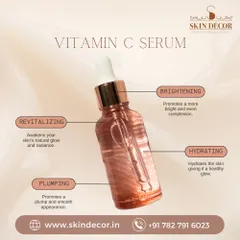
For Indian skin, the type of Vitamin C matters immensely. While ethyl ascorbic acid is gentle, I have found that L-ascorbic acid, despite its potency, delivers far superior results for skin brightening and rejuvenation. I explain how to choose and use it effectively.
Applying active ingredients like tretinoin or AHA/BHA solutions incorrectly can lead to severe irritation and pigmentation. I outline a safe application method, starting with less sensitive areas of the face and using a moisturizer as a buffer, to help you introduce actives into your routine without compromising your skin barrier.
The popular green Vitamin E capsule is a synthetic form with low potency. I explain the benefits of natural Vitamin E, particularly the superior tocotrienol form, which has powerful antioxidant and anti-inflammatory properties for skin, hair, and overall health.
About Skincare Science & At-Home Routines
Most people apply active ingredients like retinol or acids directly to bare skin, which is the primary cause of the irritation and inflammation I see in my clinic. For a safer and more effective routine, always apply a thin layer of moisturizer first, then your active, and start with the forehead—avoiding the delicate skin around your eyes and mouth until your tolerance builds.
Skincare is not about using the most expensive product; it is about using the right molecule for your specific skin barrier and environment. My approach is rooted in understanding the conversion pathways of ingredients and how they behave on Indian skin, which is often thicker and more prone to post-inflammatory hyperpigmentation.
Understanding Actives
There is a lot of confusion regarding ingredients like Vitamin C and Retinoids. When choosing a Vitamin C serum, I often recommend L-ascorbic acid over the milder Ethyl Ascorbic Acid for those with Indian skin, as the former delivers significantly better rejuvenation results despite being more potent. Similarly, if you have been using standard retinol serums for a long time and stopped seeing results, you might be ready to transition to retinaldehyde. Retinaldehyde requires only a one-step conversion to become tretinoin on your skin, making it far more effective than retinyl esters or standard retinol.
The Sunscreen Reality
Sun protection is the foundation of any anti-ageing regimen. While chemical sunscreens are popular for their texture, I frequently recommend physical sunscreens containing zinc oxide or titanium dioxide. They act as a barrier to reflect UV rays rather than absorbing them, which is often a more stable choice for sensitive skin and helps prevent the tanning that can occur with long-term chemical sunscreen use.
A Note on Consistency
True skin health requires a systematic approach. Whether we are managing acne, fine lines, or pigmentation, results do not happen overnight. The at-home routine I design for you is the critical link between clinical procedures and long-term maintenance. Consistency with these evidence-based habits is what ultimately builds a healthy skin barrier.
Similar work from other experts
Browse through Curated picks from other experts on mytribe
Your Science-Backed Daily Skincare Routine
 12
12


Science-Backed Skincare Tips & Routine Advice
Skincare Routines That Actually Work
Expert Guide to Healthy Skin

Your Skincare Masterclass: Science-Backed Advice
Simple, Effective Skincare Routines That Actually Work
More from Anti-Ageing & Skin Rejuvenation by Anwesha Poddar