Your Guide to Legal Action Against Builders
Navigating the law shouldn't be another headache. Whether you are dealing with NCDRC, NCLT, or RERA, these steps break down how to stand up for your rights as a homebuyer.
When can you approach the National Consumer Dispute Redressal Commission (NCDRC)? I explain the key requirements, including the pecuniary jurisdiction of over two crore rupees, the two-year time limit, and the types of cases it handles, like possession delays and unfair trade practices.
I explain how homebuyers can approach the National Company Law Tribunal (NCLT) as financial creditors. This requires a minimum threshold of 100 homebuyers or 10% of total buyers in a project to initiate insolvency proceedings against a defaulting builder.
Can multiple homebuyers file a case together? Yes, and it's often a powerful strategy. I explain how a group of buyers with a similar interest, like seeking a refund, can jointly file a case directly in the NCDRC, increasing their collective strength and meeting jurisdictional limits.
Winning a case is only half the battle. I explain what to do if the builder doesn't comply with a consumer court order. You must file an execution application, which gives the court powers to attach the builder's property, freeze bank accounts, and even issue arrest warrants.
This document outlines the process of executing a RERA order if the builder fails to comply. It explains how to file a complaint for non-enforcement and the powers of the RERA authority to recover compensation as arrears of land revenue.
A continuation of our guide on RERA order execution. This section details the penalties for non-enforcement, which can include imprisonment for up to three years or a fine of up to 10% of the project cost, making it a powerful tool for homebuyers.
About Your Guide to Legal Action
Winning a judgment is only half the battle. If your builder ignores the court order, you must file an execution petition to force compliance. This is where you can push for the attachment of bank accounts, freezing of assets, or even warrants against the directors. Never assume the judgment will enforce itself; you need an active strategy to get your money back.
Many buyers ask me: 'Anshul, should I go to RERA or NCDRC?' There is no one-size-fits-all answer. Your choice depends on the pecuniary jurisdiction, the nature of the delay, and whether you are acting alone or as part of a group.
Choosing the Right Forum
- NCDRC: Useful if your total claim exceeds two crores. It handles unfair trade practices and possession delays across the country.
- NCLT: You can approach the NCLT as a financial creditor if you have been waiting indefinitely for possession. However, there is a threshold, typically requiring at least 100 homebuyers or 10% of total buyers in a project.
The Power of Collective Action
One of the most effective strategies is joining forces with other affected buyers. Since the Supreme Court ruling in Brigade Enterprise versus Anil Kumar Virmani, collective filing allows you to meet pecuniary limits and increases the pressure on the builder significantly. If your interests align—like seeking a refund or compensation for the same project delay—do not fight in isolation.
After the Order: Execution
If a builder ignores the court order, the case is not over. You must file an execution application. Under section 72, the court has the power to attach the builder's property and bank accounts. In extreme cases, we even push for non-bailable warrants against directors. Do not let a victory on paper stay on paper; enforcement is the final, vital step of the legal process.
Similar work from other experts
Browse through Curated picks from other experts on mytribe
Legal Solutions for Builder-Buyer Disputes and RERA Issues
 7
7
RERA Legal Services & Homebuyer Protection
 4
4

Navigating Insolvency and NCLT Proceedings for Homebuyers

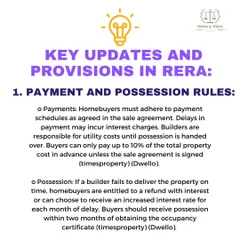
RERA Legal Guidance for Homebuyers
Property Law, RERA, and Deed Disputes Explained
Legal Guidance for Property Transactions and Disputes
More from Real Estate & Property Disputes by ANG Partners
More services by ANG Partners