My Process: Achieving Deep, Natural Henna Stains
Beautiful mehndi isn't just about the design. I prepare my own natural henna paste and follow a specific sealing process to ensure your stain is rich, dark, and long-lasting.
My process begins with the best ingredients. I prepare my own henna cones using all-natural henna powder and essential oils, ensuring a chemical-free and fragrant paste.
A crucial step for a dark stain is sealing the design. After the paste dries, I spray it with a special lemon-sugar solution that helps it adhere to the skin longer and deepen the color.
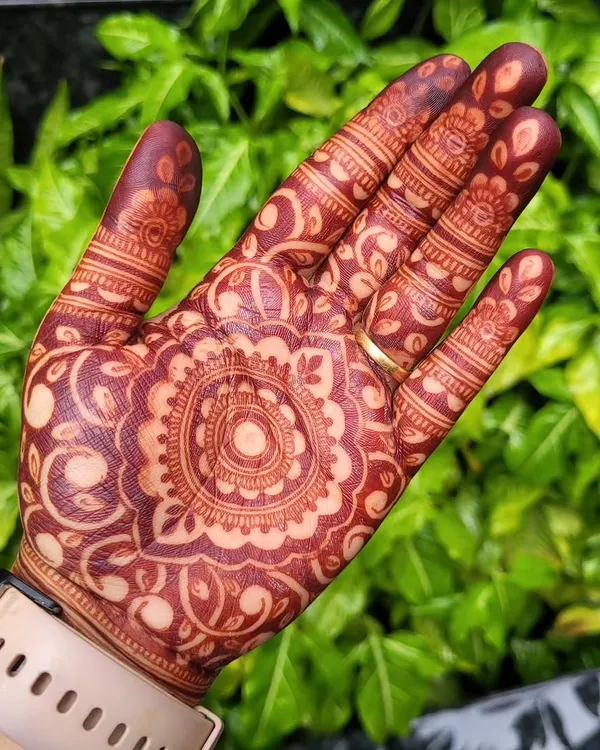
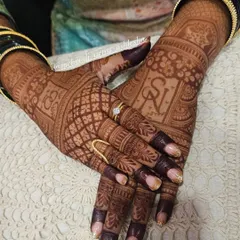
This is the result I promise: a stunningly dark and rich henna stain. This deep maroon color is achieved through my natural paste and proper aftercare.
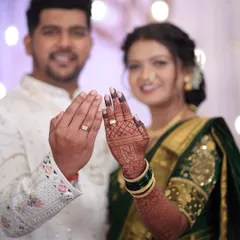
The beautiful, dark stain on the fingers a couple of days after application. This shows the longevity and richness of the color you get with my natural henna.
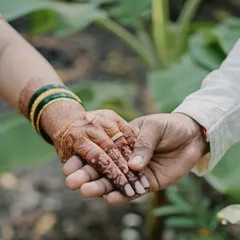
Another example of a beautiful, mature henna stain. The color is deep and even, highlighting the intricate details of the finger designs.
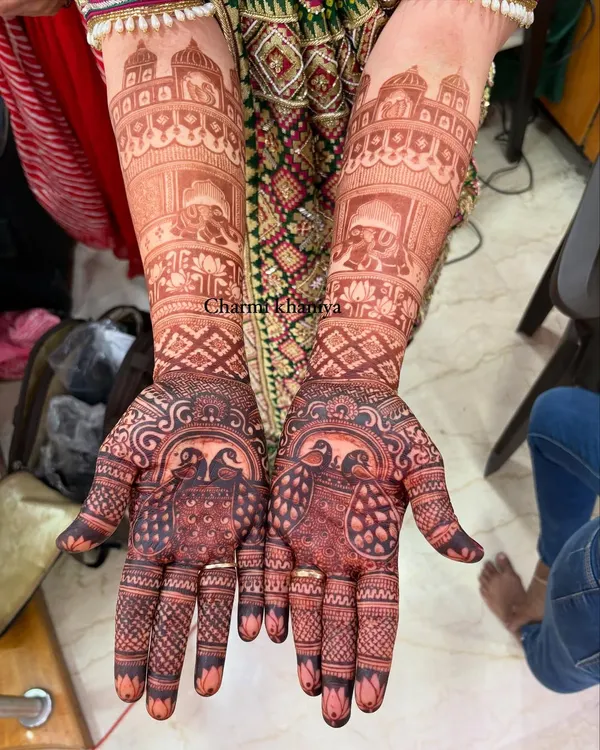
A dark and beautiful stain from a lotus-themed design. The contrast is what makes the final result so breathtaking.
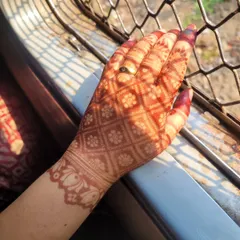
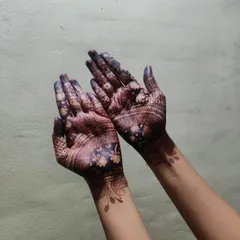
Even simple, modern designs like this repeating floral pattern result in a gorgeous, deep red stain thanks to the quality of my henna paste.
About My Process: From Natural Paste to Dark Stain
Many people worry that natural henna won't provide the dark color they want, but the secret is in how the paste is managed on your skin. Once I apply the henna, I use a lemon-sugar spray to keep it moist and tacky. This simple extra step is what allows the lawsone dye to penetrate deeply, ensuring that deep maroon color rather than a faint, patchy orange tint.
Why Natural Henna Matters
I make my own henna paste using natural, high-quality henna powder and essential oils. There are no chemical dyes, PPD, or synthetic fragrances involved. This matters because chemical cones can cause skin reactions or leave an uneven, fading stain. My paste is safe for sensitive skin and provides that rich, dark maroon color that matures over 48 hours.
The Sealing Ritual
The biggest mistake people make is letting the henna dry out too quickly. When henna dries and crumbles off the skin immediately, the dye stops transferring. After application, I carefully seal the design with a mix of lemon juice and sugar. This serves two purposes:
- Adhesion: It keeps the henna firmly against your skin for a longer period.
- Moisture: It prevents the design from flaking off, allowing the maximum amount of pigment to be absorbed.
Aftercare for the Darkest Stain
Even with the best application, your aftercare plays a huge role. I always recommend my clients in Delhi-NCR follow these simple rules to keep the color deep:
- Heat is your friend: Once the paste flakes off, avoid water for at least 12 hours. Keep your hands warm, as heat helps the oxidation process.
- Oil it up: Applying a little mustard or coconut oil after removing the dried paste acts as a barrier and protects the stain while it deepens.
- Patience: Natural henna takes time to develop. Don't judge the color on day one; it will be at its darkest, most vibrant shade by the second or third day.
Similar work from other experts
Browse through Curated picks from other experts on mytribe
How to Get a Deep, Rich Mehndi Stain Naturally
 11
11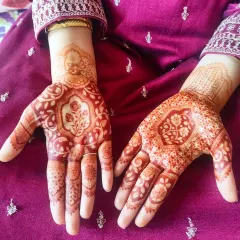
My Organic Henna Process and Stain Tips
 7
7Achieving the Perfect Deep Mehendi Stain
Get a Rich, Dark Mehendi Stain
The Art of Natural Henna: Process & Stain
Achieving the Perfect Dark Mehndi Stain
More from Festival & Occasion Mehndi by Abhishek Kumar
More services by Abhishek Kumar