Handling Police Notices and FIRs
Getting a call from the police or receiving a legal notice is intimidating, but you do not have to face it alone. I provide clear, step-by-step guidance to ensure your rights are protected from the very first interaction.
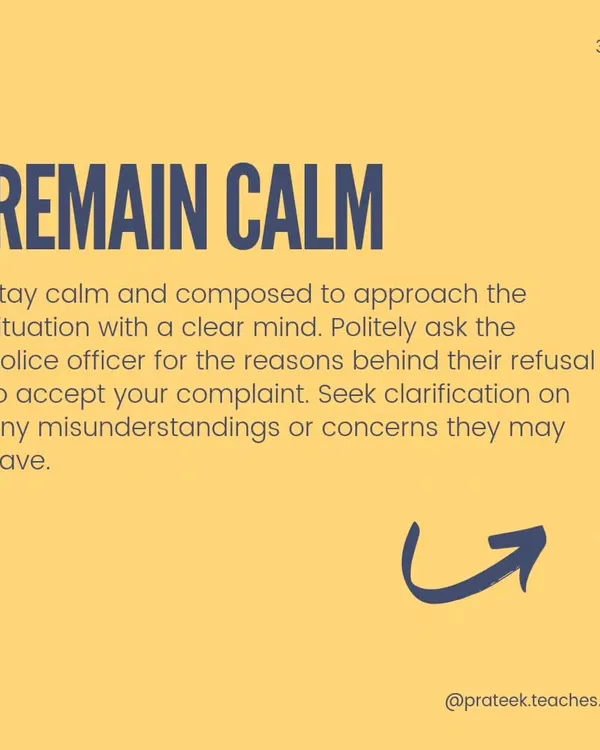
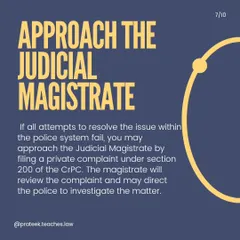
If the police refuse to register your FIR, do not feel helpless. I walk you through the exact procedure to follow, starting with getting a stamped receipt with a DD number for your complaint. This is a critical first step to ensure your case moves forward, even if it means approaching a magistrate.
Receiving a notice or a phone call from the police requires a careful response. Whether it is a notice under Section 91 or 41, you are legally required to cooperate. I advise on the best course of action, which is for me to engage with the police on your behalf to protect your interests.
Being called to a police station for an inquiry can be unsettling because an arrest is a real possibility. I explain the legal powers police have in this situation and why it is crucial to have your lawyer go first. This proactive step allows me to understand the circumstances and advise you on the safest way to proceed.
There are specific rules governing the arrest of a defense personnel by civil police. In this video, I clarify that an army soldier cannot be arrested without permission from the proper authorities, except in cases of heinous crimes like murder or rape. Knowing these rights is essential for our service members.
This is a police assistance center, often the first point of contact for people in distress. My job is to ensure that when you interact with the authorities, you are prepared, informed, and your rights are fully protected from the start.
About Dealing with the Police
When you receive a notice under Section 41A or 91, the clock is ticking, but that does not mean you should rush to the station yourself. My process involves reviewing the notice immediately to draft a formal reply and, if necessary, visiting the police station on your behalf. This prevents you from making statements that could incriminate you later and ensures you are not pressured into an arbitrary arrest.
Understanding Your Rights
Police procedures can be confusing. Many people assume that a call from an officer or a notice at their door is the end of the road, but this is rarely the case. My goal is to demystify the process and help you navigate the system effectively.
How I Assist
- Police Station Attendance: You should never walk into a police station alone when you are a subject of an inquiry. I accompany my clients to ensure the interrogation remains fair and to prevent any pressure tactics.
- Responding to Notices: Whether it is a Section 41A or Section 91 notice, you are legally bound to cooperate. However, 'cooperating' does not mean answering every question without legal counsel. I draft professional replies that document your cooperation while keeping your interests safe.
- FIR Registration Issues: If you are the victim and the police are refusing to file your FIR, I guide you on how to get the correct documentation, such as the DD number, and prepare you to approach the magistrate if the police fail to perform their duty.
- Arrest Prevention: I ensure compliance with legal guidelines, such as the Arnesh Kumar ruling, to prevent automatic or illegal arrests for offenses that do not warrant them.
Why Act Now?
Legal problems do not disappear by ignoring them. Avoiding a notice often leads to more trouble. By engaging early, we can assess the situation, prepare a solid response, and avoid the complications that arise from panic or delay. If you are currently dealing with a notice or a police inquiry in Delhi, contact me so we can plan the right approach.
Similar work from other experts
Browse through Curated picks from other experts on mytribe
Handling Police Harassment and Your Legal Rights
 7
7
Navigating Police Interactions and Legal Rights
Dealing with the Police: Know Your Legal Rights
How to Handle Police FIRs and Investigations
Police FIR Rights and Legal Protection Guide
Dealing with the Police: Know Your Rights
More from Criminal Law by Ajay Malik
More services by Ajay Malik