Your Hair Transplant Recovery and Aftercare Guide
A hair transplant is 20% surgery and 80% how you look after it. We don't just perform the procedure; we guide you through every step of the recovery to ensure your results actually last.
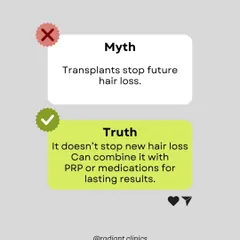
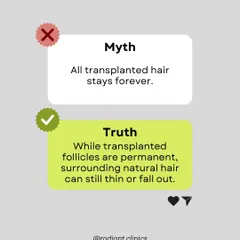
A common question is: does transplanted hair fall out? The hair from the donor area is permanent and typically does not fall out.
The results are long-lasting, but it's not magic. Proper care is essential to maintain the health of your non-transplanted hair.
To maintain your overall hair health post-transplant, we recommend follow-ups, supportive treatments like PRP, and a good scalp care routine with DHT blockers and serums.
So, is a hair transplant permanent? This series of posts explains what to expect in the long term.
While transplanted hair is permanent, your existing, non-transplanted hair around it may continue to thin with age. This is why ongoing care is important.
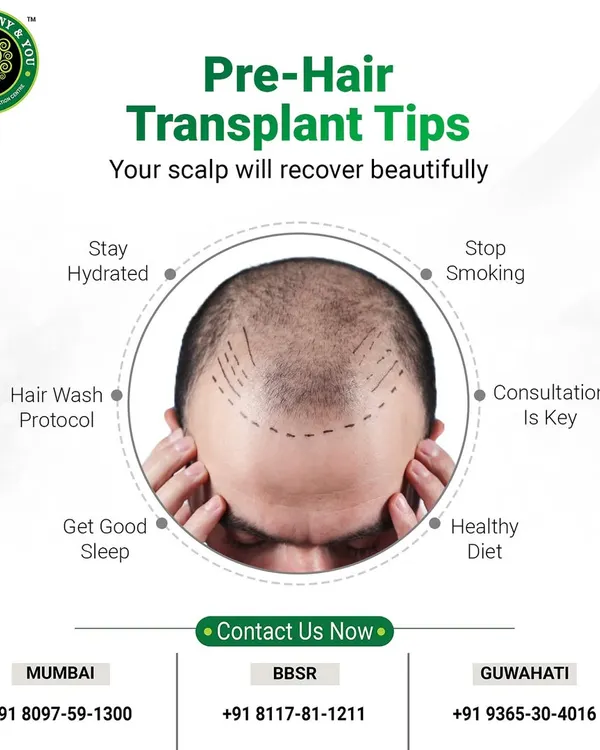
Pre-procedure care: If you are on blood thinners, you must consult your primary doctor about stopping them a week before the procedure to prevent excess bleeding.
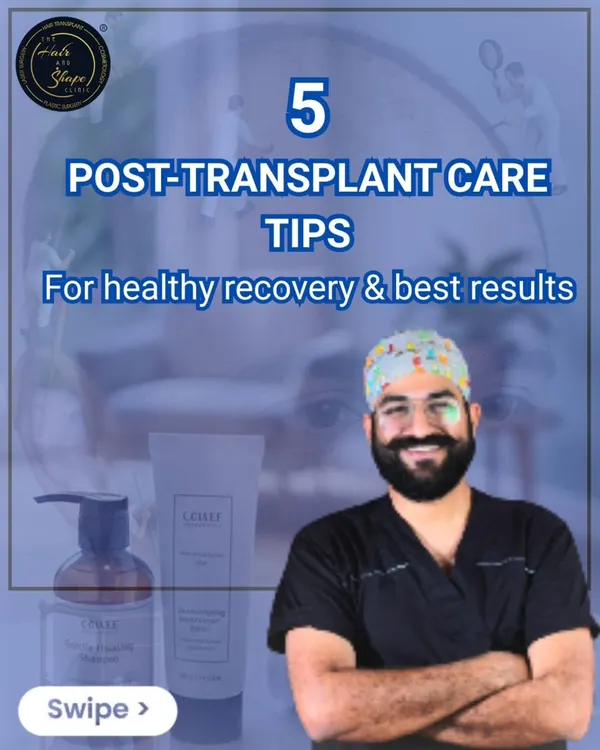
Post-procedure care: Regular follow-ups are essential for us to monitor your recovery, assess progress, and adjust your care plan as needed to ensure transplant success.
Pre-procedure care: Prepare your scalp by using gentle, sulfate-free shampoos and avoiding harsh treatments like dyes or heat styling before your transplant.
Post-procedure care: Protect your scalp from direct sunlight after a hair transplant. Use a hat or specialized sunscreen to prevent irritation and support healing.
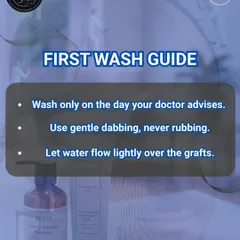
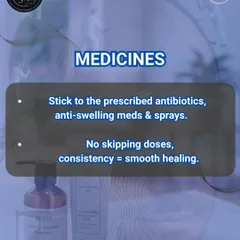
Post-procedure care: It is vital to follow your specialist's aftercare guidelines for washing, medications, and activity restrictions to ensure proper healing and healthy hair growth.
About Your Treatment & Recovery Guide
The surgery is only the beginning. The real work happens at home with your recovery routine. For instance, if you are currently taking blood thinners, we need you to pause them a week before your procedure to prevent excess bleeding. It is not just about the transplant; it is about prepping your scalp so the grafts actually take root and stay. Ye bilkul normal hai to be worried about the healing phase, but knowing exactly what to do makes the process seamless.
Pre-Procedure Prep
It starts with a clean slate. Avoid harsh treatments like chemical dyes or intense heat styling in the week leading up to your visit. We need your scalp to be in the best possible condition for the grafts to take hold. If you are on any medication, especially blood thinners, tell us during your consultation so we can safely manage your timeline.
The Post-Op Reality
The first 10 days are critical. No hats, no direct sunlight, and definitely no picking at the grafts. It is a delicate phase, but we are with you. We will teach you exactly how to wash your scalp using specialized, gentle, sulfate-free shampoos that don't disturb the new follicles.
Why Follow-ups Matter
We do not operate and disappear. Regular follow-ups allow our MD dermatologists to monitor your healing, check for potential issues, and adjust your care plan. Whether that means adding GFC therapy or tweaking your post-op medication, we are there to ensure the transplant success.
The Role of Nutrition
You are building new follicles, and they need fuel. Protein (lean meats, beans, eggs), Vitamin C (for collagen repair), and Omega-3 fatty acids (walnuts, flaxseeds) are not just suggestions. They are the foundation for the thick, natural hair you are aiming for.
Is it Permanent?
This is our most common question. The transplanted hair itself is permanent, but your existing, non-transplanted hair may still thin with age. This is why we focus on overall scalp health, not just the transplanted patch, to give you a natural look that lasts.
Similar work from other experts
Browse through Curated picks from other experts on mytribe
 7
7
Hair Transplant Preparation & Recovery Guide
 54
54
Your Hair Transplant Journey: Process and Care
Your Step-by-Step Hair Transplant Journey
 37
37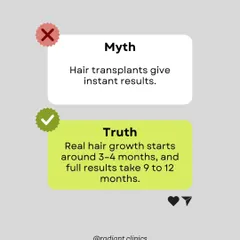
Your Hair Transplant Journey: What Actually Happens
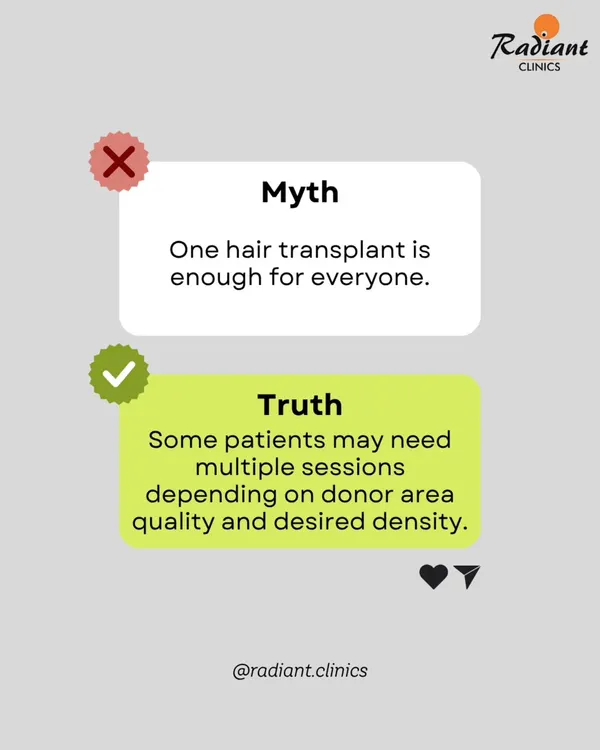
Hair Transplant Facts & Myth-Busting
Your Hair Transplant Journey: From Prep to Growth
More from Hair Restoration & Treatment by Aeon Clinic
More services by Aeon Clinic