Holding Banks Accountable for Unauthorized Transactions
Banks often shift blame onto customers, but recent rulings prove they have a legal duty to protect your money. Here is how we enforce that.
This legal update shows a case where the Uttarakhand State Commission held Punjab National Bank liable for failing to reverse unauthorized transactions. This sets a precedent that banks have a duty to protect customers and can be held accountable for their deficiencies.
A recent Allahabad High Court ruling stated that bank officials are under a legal obligation to cooperate in criminal investigations. When banks delay or withhold evidence in cybercrime cases, I use such judgments to compel them to act and ensure justice is not hindered.
About Holding Banks Accountable
Most people think the bank's final word is the truth. It isn't. When we send a formal notice citing specific RBI guidelines or State Commission rulings, the dynamic changes instantly. I don't just ask for a refund; I build a legal case that documents their failure to secure your account, forcing them to act before the matter even hits the consumer court.
Why Banks Ignore You
Banks are businesses, and their default strategy when an unauthorized transaction occurs is to mark it as 'customer negligence.' They count on you not knowing the RBI circulars or the technical requirements they must follow. If you simply email a generic complaint, they will likely dismiss it. To win, you need to speak their language—the language of compliance and liability.
My Approach to Accountability
I treat your case as a dispute of 'deficiency in service.'
- RBI Guidelines: We don't just plead; we cite the RBI’s Zero Liability circular. If the bank failed to provide 2FA (Two-Factor Authentication) or didn't monitor suspicious patterns, they are liable, not you.
- Evidence of Negligence: I help you gather proof that the transaction was technically impossible for you to have authorized—eSIM swaps, call-merging, or system failures on their end.
- Formal Notice: A legal notice sent from a lawyer carries weight that a customer service ticket never will. It forces the bank's legal department to review your claim, often leading to a reversal before litigation.
When to File a Consumer Complaint
If the internal grievance process fails, we move to the District Consumer Disputes Redressal Commission. We frame the complaint around the bank's failure to protect your funds, seeking not just the principal amount, but interest and compensation for the mental harassment caused by their inaction.
Don't let them close your ticket without a proper investigation. If you have been a victim of a system failure, you have the right to demand answers and recovery.
Similar work from other experts
Browse through Curated picks from other experts on mytribe
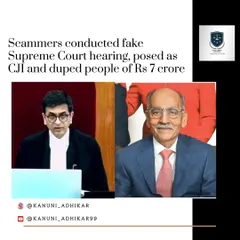
Legal Guidance for Financial Fraud and Cyber Scams
 4
4


Financial Dispute Resolution Services in Delhi NCR
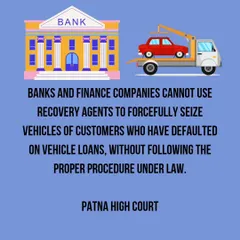
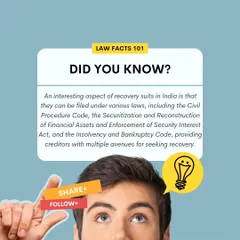
Legal Rights Against Loan Recovery Harassment and Bank Practices
 5
5
Legal Support for Cheque Bounce and Money Recovery
Legal Strategy for Cheque Bounce & Financial Disputes
Frozen Bank Account Solutions
More from Cybercrime & Online Fraud Law by Karan Sharma