Yogic Living: Finding Peace in Daily Family Chaos
Yoga is not an escape to the mountains; it is the practice of staying present right where you are. Discover how to integrate authentic philosophy—from mindful eating to daily rituals—into the messy, beautiful rhythm of your family life.
When you feel disrespected, the yogic path teaches the strength of strategic silence. Like Krishna, who held his peace until the moment was ripe to act, you can learn to hold your silence not from weakness, but from a place of deeper sight. Wait for the right time to change the game.
The "99% practice" is not about poses. It is about what happens when the mat is gone. It is how you wake, eat, and respond when tested. It includes the practice of Yama (ethics), Niyama (observances), Ahara (nourishment), Vichara (self-inquiry), and Seva (selfless service). Real yoga begins where your comfort zone ends.
The "99% practice" is not about poses. It is about what happens when the mat is gone. It is how you wake, eat, and respond when tested. It includes the practice of Yama (ethics), Niyama (observances), Ahara (nourishment), Vichara (self-inquiry), and Seva (selfless service). Real yoga begins where your comfort zone ends.
The "99% practice" is not about poses. It is about what happens when the mat is gone. It is how you wake, eat, and respond when tested. It includes the practice of Yama (ethics), Niyama (observances), Ahara (nourishment), Vichara (self-inquiry), and Seva (selfless service). Real yoga begins where your comfort zone ends.
The "99% practice" is not about poses. It is about what happens when the mat is gone. It is how you wake, eat, and respond when tested. It includes the practice of Yama (ethics), Niyama (observances), Ahara (nourishment), Vichara (self-inquiry), and Seva (selfless service). Real yoga begins where your comfort zone ends.
The "99% practice" is not about poses. It is about what happens when the mat is gone. It is how you wake, eat, and respond when tested. It includes the practice of Yama (ethics), Niyama (observances), Ahara (nourishment), Vichara (self-inquiry), and Seva (selfless service). Real yoga begins where your comfort zone ends.
The "99% practice" is not about poses. It is about what happens when the mat is gone. It is how you wake, eat, and respond when tested. It includes the practice of Yama (ethics), Niyama (observances), Ahara (nourishment), Vichara (self-inquiry), and Seva (selfless service). Real yoga begins where your comfort zone ends.
This is not a challenge, but a return. I offer one reflection a day for self-inquiry. Questions like, "If no one is watching, who am I?" or "Do I really want peace or just something nice?" There is nothing to fix, just an invitation to sit with the question and let the layers fall away.
This is not a challenge, but a return. I offer one reflection a day for self-inquiry. Questions like, "If no one is watching, who am I?" or "Do I really want peace or just something nice?" There is nothing to fix, just an invitation to sit with the question and let the layers fall away.
This is not a challenge, but a return. I offer one reflection a day for self-inquiry. Questions like, "If no one is watching, who am I?" or "Do I really want peace or just something nice?" There is nothing to fix, just an invitation to sit with the question and let the layers fall away.
About Yogic Living: Family, Food & Daily Rituals
I don’t teach yoga as a 60-minute escape from your day. We start by looking at your dinacharya (daily routine)—how you wake up, what you eat, and how you handle those mid-day family triggers. In my sessions, we break down how to apply concepts like Yama (restraints) and Niyama (observances) to your actual life, whether it is managing workplace stress or balancing parenting with your own quiet practice.
Bringing Yoga Home
Many of us treat yoga like a rental car—we take it for a spin on the mat for an hour and then return to our default state of stress. My approach focuses on the 99% of your life that happens off the mat. True yogic living is not about finding silence in a cave; it is about finding the 'still point' in the middle of a noisy household.
The Pillars of My Practice
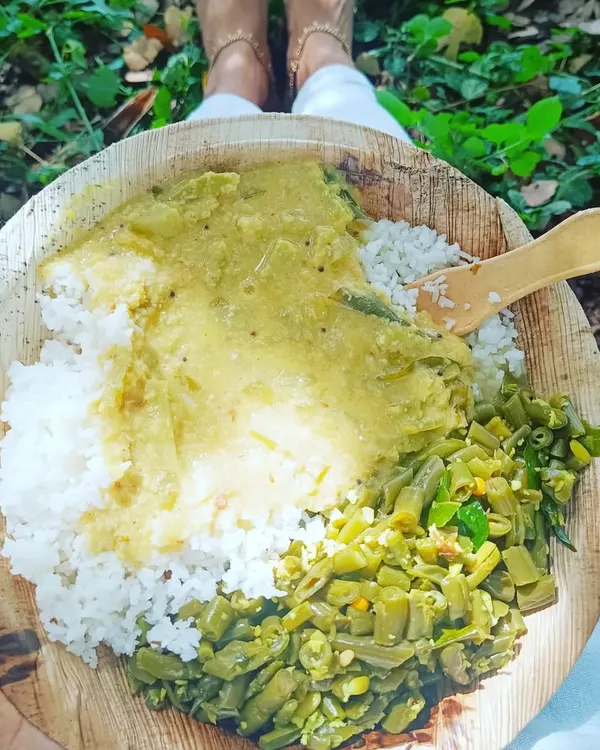
- Ahara (Nourishment): We discuss not just what you eat, but how you eat. Is your meal a source of fuel or a source of distraction? We look at sattvic habits that support clarity.
- Sadhana (Daily Rituals): I help you design a practice that fits your lifestyle, not the other way around. Whether it is 10 minutes of Pranayama before the kids wake up or a brief reflection on the Bhagavad Gita during your commute, we create anchors that keep you grounded.
- Vichara (Self-Inquiry): You will learn to observe your mind during stressful moments. When the Wi-Fi acts up or a family member challenges you, can you pause instead of reacting? We use Sankhya philosophy to understand the nature of these triggers.
Why This Matters
When we stop trying to 'fix' ourselves and start observing our lives through the lens of ancient wisdom, everything changes. You don't need to change your circumstances to find peace; you need to change your relationship with them. My classes are a space to explore this—real, raw, and rooted in tradition. If you are looking for a community that values deep inquiry over trendy fitness flows, you have found the right place to start your journey.
Similar work from other experts
Browse through Curated picks from other experts on mytribe
 16
16
The Yogic Path: Beyond the Mat
Integrating Yoga into Your Daily Life
Yoga Philosophy and Mindful Living
Yoga Philosophy and Lifestyle for Daily Balance
Traditional Yoga Philosophy and Lifestyle Coaching
Yogic Wisdom & Lifestyle: Align Your Body and Mind
More from Yoga Philosophy & Spiritual Mentorship by Manasa Rao
More services by Manasa Rao