Understanding Excessive Paw Licking in Pets
Is your pet obsessively licking their paws? While it can be a part of their grooming routine, constant attention often points to allergies, irritation, or stress. Here is what to watch for.
Paw licking can be a normal grooming behavior, but it's often a sign of allergies. Pets can be allergic to pollen, food ingredients, or household chemicals, which cause itching and irritation.
Paw licking can be a normal grooming behavior, but it's often a sign of allergies. Pets can be allergic to pollen, food ingredients, or household chemicals, which cause itching and irritation.
Besides allergies, excessive paw licking can be caused by injuries, parasites like fleas and ticks, or behavioral issues like stress and anxiety. Identifying the root cause is key to addressing it.
Besides allergies, excessive paw licking can be caused by injuries, parasites like fleas and ticks, or behavioral issues like stress and anxiety. Identifying the root cause is key to addressing it.
Constant licking can break the skin, leading to infections, painful hot spots, and hair loss. If you notice these signs, it's important to seek veterinary advice to prevent further complications.
Constant licking can break the skin, leading to infections, painful hot spots, and hair loss. If you notice these signs, it's important to seek veterinary advice to prevent further complications.
To manage paw licking, maintain good hygiene, work with a vet on allergy management, and ensure your pet is on a regular parasite prevention program. If the behavior continues, a vet consultation is crucial.
To manage paw licking, maintain good hygiene, work with a vet on allergy management, and ensure your pet is on a regular parasite prevention program. If the behavior continues, a vet consultation is crucial.
About Common Health Questions
Redness, hair loss, or that specific musty smell between the toes are clear signals your pet needs relief, not just a distraction. Before you try over-the-counter creams that might not be safe, have us take a look at their skin. We can often identify the specific irritant and start a soothing treatment plan right in your living room, saving your pet the stress of a clinic visit.
Why Is My Pet Licking Their Paws?
It is completely normal for dogs and cats to groom themselves, but when licking turns into a constant habit, it is usually a cry for help. Your pet is trying to soothe an area that is itching, stinging, or hurting.
The Common Culprits
- Allergies: This is the most frequent cause. Just like humans, pets can be allergic to environmental factors like pollen or grass, or even specific ingredients in their food. These allergies often manifest as itchy paws.
- Parasites: Ticks, fleas, or mites hiding between the pads can cause intense irritation. A quick check at home often reveals the problem.
- Injuries: A thorn, a cut, or a splinter might be stuck in the paw. If your pet is licking only one specific foot, this is often the cause.
- Behavioral Issues: Sometimes, pets lick because of anxiety or boredom. It acts as a self-soothing mechanism, similar to nail-biting in humans.
When Should You Call for Help?
Don't wait until you see 'hot spots' or open sores. If you notice swelling, bleeding, or hair loss, it is time for a professional assessment. We bring the vet to you, which is particularly helpful because we can observe your pet in their natural environment without the stress of a clinic, which often makes pets act differently. We assess the skin condition, check for parasites, and advise on dietary adjustments or allergy management to stop the cycle of itching and licking for good.
Similar work from other experts
Browse through Curated picks from other experts on mytribe
 11
11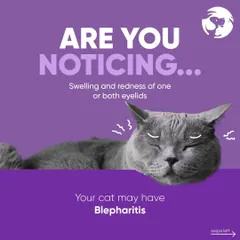
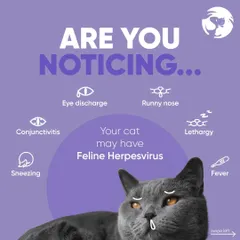
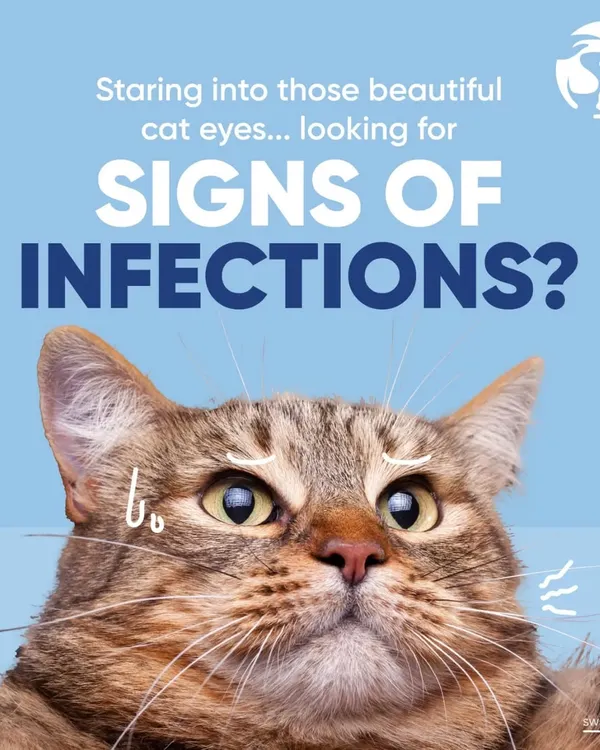
Feline Health Watch: Early Symptoms in Cats
Pet Care Tips from Our Experts


Decoding Your Pet's Behavior and Needs
Canine Health & Everyday Care for Happy Dogs
Pet Health and Wellness Tips for Dogs and Cats
Decoding Your Pet: Behavior and Health Cues
More from Home Veterinary Services by Woofly
More services by Woofly