Essential Dog Care Guides for Indian Dog Parents
Practical, no-nonsense guides to keep your dog safe and healthy through Indian summers, monsoons, and everyday adventures.
Summer is here! Keep your pup safe with these essential tips, from checking the pavement temperature to never, ever leaving them in a car.
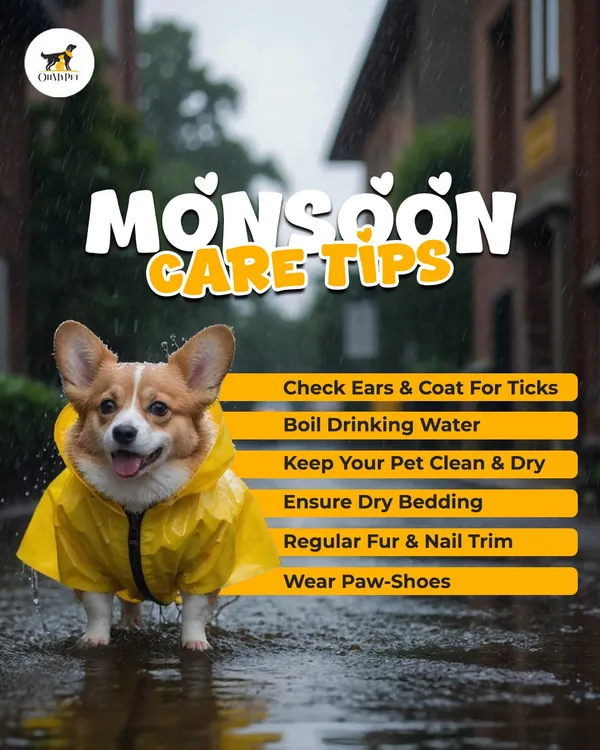
Monsoon means more fun in the mud, but also more risks. This survival guide covers everything from wiping paws to avoid infections to checking for ticks after every walk.
Ticks love to hide in warm, cozy spots. Here's a quick visual guide on where to check your dog for ticks after every single walk, especially during peak season.
A pet first aid kit is something you hope to never use, but you'll be glad you have it in an emergency. Save this checklist to build your own.
A tired dog is a happy dog. Here are five fun ways to tire your dog out that go beyond just a walk, including sniff walks, puzzle toys, and teaching a new trick.
About Essential Dog Care Guides
Ever wonder if the pavement is too hot for your dog's paws? A simple rule of thumb: touch the ground for five seconds with the back of your hand. If it is too hot for you, it is definitely too hot for your pup. Stick to early mornings or after sunset walks, and keep the mid-day hours for indoor play.
Season-Specific Safety
India’s weather can be tough on our dogs. Whether it is the scorching summer or the puddle-filled monsoon, small adjustments make a huge difference.
- Summer: Always keep fresh water accessible. If you are stepping out, check the pavement temperature. If there is no AC at home, ensure plenty of airflow and provide frozen treats like watermelon or dog-safe ice cubes.
- Monsoon: This is peak tick season. Always wipe your dog's paws after every walk to prevent fungal infections, and steer clear of stagnant water which can harbor bacteria and sharp debris.
Hygiene and Tick Control
Ticks love hiding in warm, cozy spots. After every single walk, check your dog thoroughly. Pay close attention to the areas around the ears, eyelids, under the front legs, between the toes, and under the tail. Regular brushing is also a great way to spot them early.
Building Your First Aid Kit
It is something you hope to never use, but having a kit ready is vital.
- Medical Supplies: Sterile gauze, bandages, adhesive tape, antiseptic wipes, gloves, and tweezers.
- Tools: A digital thermometer and an eye dropper.
- Medications: Hydrogen peroxide (for emergencies as advised by a vet), styptic powder, antibiotic ointment, and saline solution.
Pro-Tip: Check your kit every three to six months and replace anything that has expired. Keep it in a waterproof box and always consult your veterinarian before administering any medication.
Similar work from other experts
Browse through Curated picks from other experts on mytribe
Essential Pet Care Tips for Happy Pets
 16
16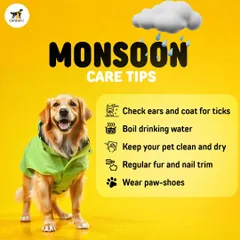


Pet Health & Safety Gyaan
Expert Pet Care Tips for Every Season

Your Dog’s Health and Wellness Guide
 8
8


Expert Pet Care Tips & Advice
Expert Tips for Pet Parents
More from Dog Walking by Sploot
More services by Sploot